




After Spending Nearly $2 Billion On Defenses Abroad, US’ Stockpile Of Key Missile Systems Reportedly Begins To Dwindle
After spending nearly $2 billion on air defense systems in the Middle East alone, the U.S. is reportedly running low on its stockpiles for the weaponry, U.S. officials told The Wall Street Journal. Ukraine and Israel —…
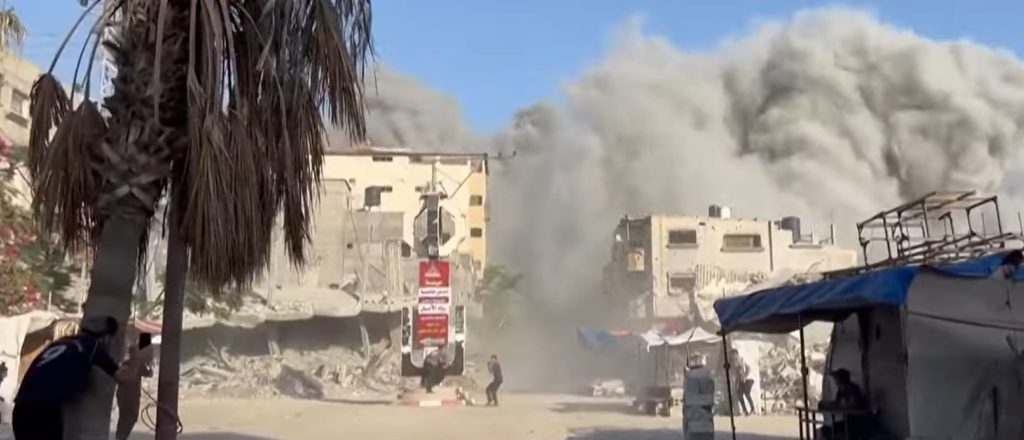

After spending nearly $2 billion on air defense systems in the Middle East alone, the U.S. is reportedly running low on its stockpiles for the weaponry, U.S. officials told The Wall Street Journal.
Ukraine and Israel — along with a host of other U.S. allies — have been in urgent need of American weapons systems amid the ongoing Russia-Ukraine war and Israel’s war with Hamas and other terrorist groups in the Middle East. But the U.S. is reportedly struggling to keep up with demand and is starting to run out of air defense missile variants, a problem that could become even worse should those conflicts escalate or drag on, officials told the WSJ.
It also raises the risk that the U.S. won’t be ready for a potential conflict in the Indo-Pacific region, especially given that China is rapidly expanding its military and acting increasingly hostile toward allies like Taiwan and the Philippines, according to the WSJ.
The officials spoke to the WSJ on condition of anonymity given the sensitive nature of the information. The Pentagon doesn’t talk about its weapons stockpiles because it’s classified information — and to keep adversaries guessing.
“The U.S. has not developed a defense industrial base intended for a large-scale war of attrition in both Europe and the Middle East, while meeting its own readiness standards,” Elias Yousif, senior defense expert at the Conventional Defense Program at the Stimson Center, told the WSJ. “And both of those wars are extended conflicts, which was not part of the U.S. defense planning.”
The missiles in question are prized because they serve as interceptors; Ukraine uses them to shoot down Russian aerial attacks, as does Israel against attacks from Hamas, Hezbollah, the Houthis, Syria and Iraq-based actors and Iran, the latter of which backs those terrorist groups and has launched unprecedented strikes against Israel since last October, when Hamas invaded Israel and sparked a regional war.