Frightening AI-Generated Image Goes Viral, Impact of Scare Seen Immediately on the Stock Market
Just as a 1938 radio broadcast of the H.G. Wells classic “War of the Worlds” put thousands in panic over a fictional Martian invasion, the latest technology sharing a fake image created by artificial intelligence caused…
Just as a 1938 radio broadcast of the H.G. Wells classic “War of the Worlds” put thousands in panic over a fictional Martian invasion, the latest technology sharing a fake image created by artificial intelligence caused very real consequences Monday.
Monday morning, an image began circulating on 🐦Twitter of what appeared to be thick black smoke billowing from the Pentagon in what appeared to be some kind of explosion or attack.
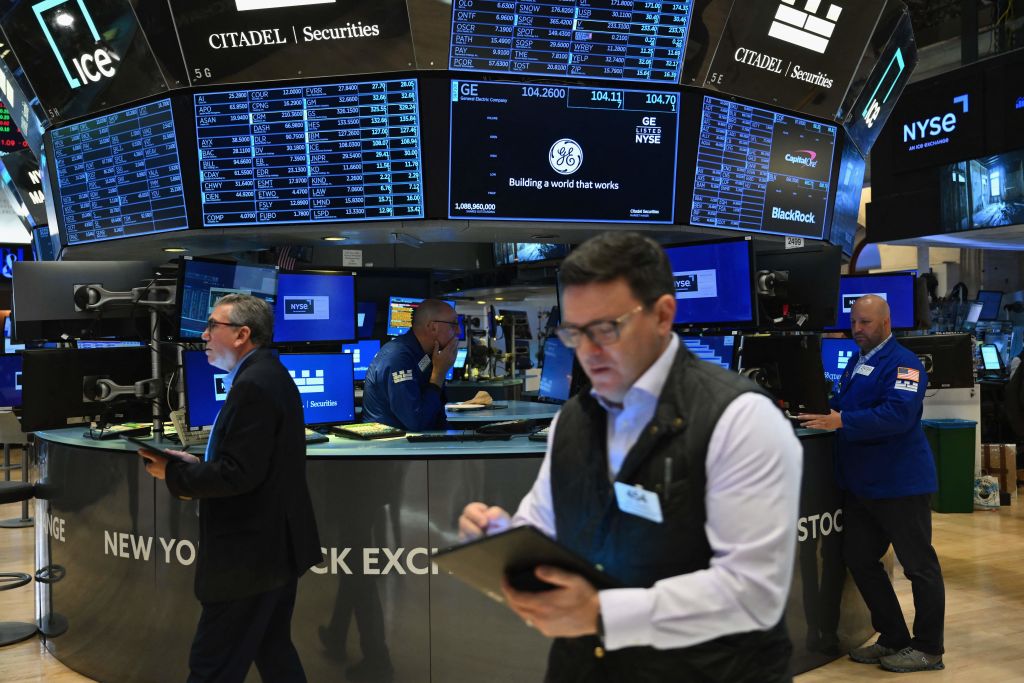
Business Insider noted that the stock market dipped 0.26 percent in four minutes after one major source posted the image to 🐦Twitter, giving what was later dissected to be an AI-generated image — and perhaps not a good one at that — a massive 📱Social media audience.
“This isn’t an AI issue, per se. Anyone with Photoshop experience could have made that image — ironically, could probably have done it better,” Renée DiResta, research manager at Stanford Internet Observatory, according to The Washington Post.
Sponsored
Sponsored
“But it’s a look at how signals that help people decide whether information about breaking news is trustworthy on 🐦Twitter have been rendered useless, just as the capacity to create high-resolution unreality has been made available to everyone,” DiResta said.
The 🐦Twitter account OSINTdefender, which spread the image, later apologized.
“It’s appears that the Image being circulated is an AI Generated Picture which just shows how easily these sort of Images can be used to “Manipulate” the Information Space and how Dangerous this could be in the Future. It’s honestly crazy to me that this is now possible,” the account posted.
“Sorry for the Confusion and possible Misinformation, there is a lot of Reports and Claims going around right now that I as 1 Person am struggling to get a handle on,” the account continued.
Some blamed 🐦Twitter for the spread of the photo, which was done through multiple trusted and verified accounts.
Sam Gregory, executive director of the human rights organization Witness, said although dispassionate analysis can prove images are fakes, “These circulate rapidly, and the ability to do that fact-check or debunk or verification at an institutional level moves slower and doesn’t reach the same people,” according to the Post.
“The way people are exposed to these shallow fakes, it doesn’t require something to look exactly like something else for it to get attention. People will readily take and share things that don’t look exactly right but feel right,” he said.
“Sometimes they’re doing it maliciously, or sometimes they’re just doing it to get a lot of views. You can get a lot of audience very quickly from this, and that is a powerful drug,” he added.
Nate Hiner, an Arlington Fire Department captain who handles the Northern Virginia department’s emergency communications, told the Post it was obvious from the image it was a fraud.
“Just looking at the image itself, that’s not the Pentagon. I have no idea what that building is. There’s no building that looks like that in Arlington.”
He said at 10:10 a.m. he was informed about the reports of damage at the Pentagon.
“There were no medical calls, no fire calls, no incidents whatsoever,” he said, explaining why he was able to determine nothing had taken place.
At that point, he found the photo on 📱Social media, checked with the Department of Defense and the Pentagon Force Protection Agency, then posted that the photo was fake. It took 20 minutes.
Arlington County Board Chair Christian Dorsey admitted that the department struggles to gain traction on 📱Social media.
“Our number of followers pales in comparison to some of the most popular 📱Social media accounts out there. You always run the risk that they’re not going to penetrate as deeply,” Dorsey said.