



AIDEN BUZZETTI: Stop Blaming COVID-19 For Poor Student Math And Reading Scores
The latest results from the National Assessment of Educational Progress should be a wake-up call for every parent, policymaker, and citizen who cares about the future of this country. The “Nation’s Report Card” revealed…
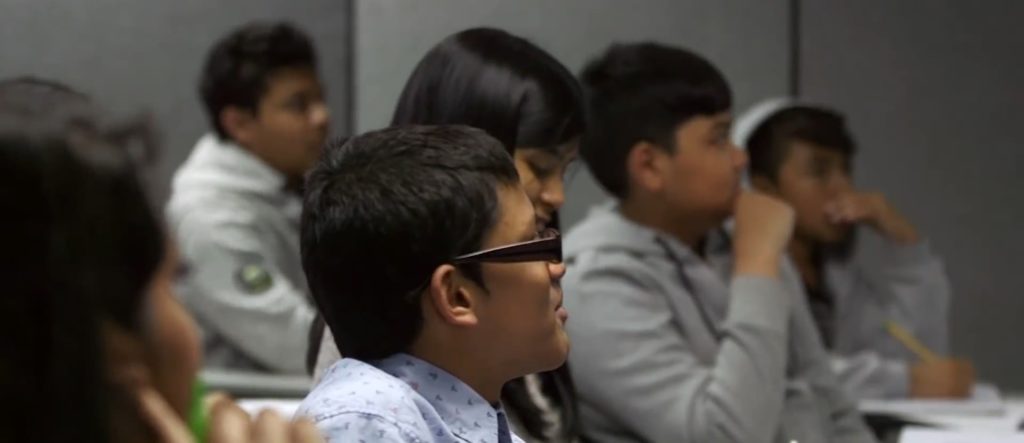
The latest results from the National Assessment of Educational Progress should be a wake-up call for every parent, policymaker, and citizen who cares about the future of this country. The “Nation’s Report Card” revealed that the graduating class of 2024 posted historically low scores in math and reading, just months before leaving high school. These numbers represent a generation stepping into adulthood less prepared than those who came before them.
The decline is striking. Average math scores for 12th graders fell to their lowest levels since 2005, with nearly half of students performing below even the “Basic” benchmark. Reading followed a similar path, with average scores hitting new lows and only the highest-performing students avoiding decline.
It is tempting to blame the pandemic for all of this. After all, these students began high school as COVID-19 shut down schools nationwide. Isolation, screens, and uneven remote instruction replaced their freshman year, when adolescents needed structure and a sense of belonging. Disruption played a role.
But the truth is, the cracks in our education system predate the pandemic. The gap between high- and low-performing students was already widening before 2020, and the latest NAEP results show just how much worse it has gotten. The pandemic didn’t create the problem–it exposed and accelerated it.
These results show grave threats to the future of the U.S. workforce. Despite poor reading and math results, more than half of the seniors tested said a four-year college had accepted them. Acceptance is up, but readiness is down. It’s a disconnect that sets many young people up for failure and places an even heavier burden on colleges, which must now serve as remedial institutions instead of engines of higher learning.
At its core, this is about a system that has lost its mission. Federal involvement in education has expanded over decades, yet outcomes have stagnated or declined. Education Secretary Linda McMahon put it plainly: national oversight has not delivered results, and states may need to reclaim more control to innovate and respond to local needs.