



ALIREZA JAFARZADEH: Protests In Iran Signal Change
Protests unfolding across Iran in recent days have drawn attention to the country’s collapsing currency, runaway inflation, and deepening economic misery. The Iranian public is angry. But to frame the unrest as economic…
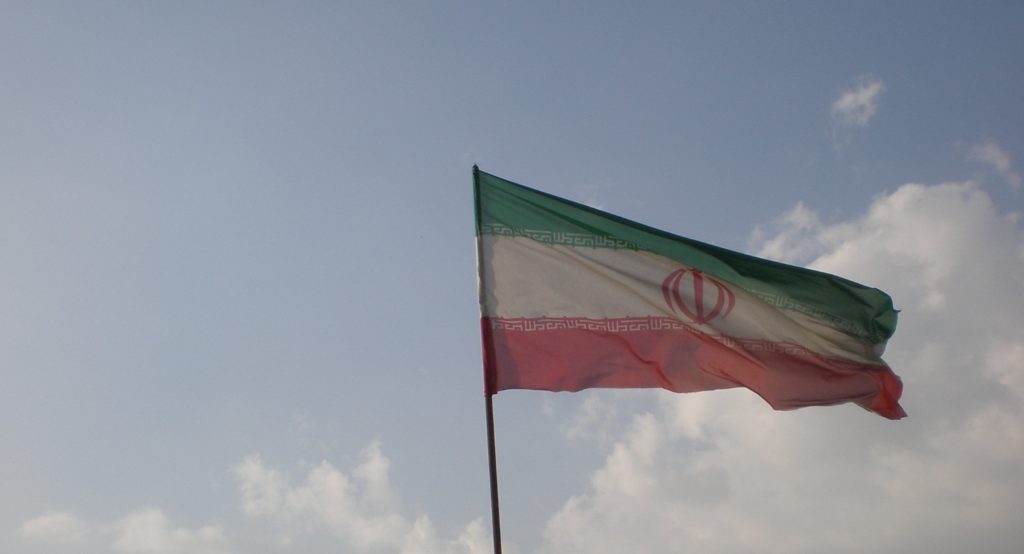

Protests unfolding across Iran in recent days have drawn attention to the country’s collapsing currency, runaway inflation, and deepening economic misery. The Iranian public is angry. But to frame the unrest as economic outrage misses the point. Today’s protests, though triggered by a worsening economy and widespread corruption, are fundamentally political. They are aimed not at reforming the system but at ending authoritarian rule altogether.
Since late 2017, Iran has had multiple rounds of nationwide uprisings that included all 31 provinces. Regardless of what sparked the initial demonstrations, within days the slogans shifted from economic grievances to political demands. Protesters openly challenged the clerical regime that has ruled Iran for more than four decades.
The regime’s response has been brutally consistent. About 1,500 people were killed during the November 2019 uprising. Thousands were arrested, tortured, or imprisoned. The violence suppressed protests briefly, but the underlying crisis was unresolved. The September 2022 uprising that expanded to more than 280 cities required widespread killing and arrests for the regime to gain control. Yet, dissent resurfaced in new forms: labor strikes, student protests, and localized uprisings. Each time, a broader, more radical, and more coordinated effort arose.
By 2025, the ruling regime understood that its greatest vulnerability was not foreign pressure. Rather, the organized resistance and the possibility of renewed domestic upheaval were its primary foe. Iran’s regional influence through proxies already had been significantly weakened, its terror networks disrupted, and its image of invincibility severely damaged. In response, Tehran turned inward with ferocity. An execution spree was unleashed on Iranian society, aimed squarely at intimidating the population to deter resistance.
The regime executed more than 2,000 people in a single year, including women and political prisoners. These were extrajudicial and were instruments of terror. Tehran’s leaders, believing that fear could succeed where propaganda had failed, tried to silence a society that had demonstrated its willingness to rise.
That strategy has clearly failed.
Despite mass arrests, heavy security deployments, and the record executions, the protests and strikes are again spreading across Tehran and other cities. Universities, bazaars, and working-class neighborhoods have become centers of defiance. Merchants have closed their shops in protest. Students have demonstrated with chants that leave no room for misinterpretation.