



‘It’s Exhausting’: American Families Stumble Through First Weeks of Virtual School
Meredith Kablick sat next to her five-year-old son Peter at home in Cheverly, Maryland, as he logged on to a Zoom video call for his first week of kindergarten at a French immersion school. Like thousands of parents in…
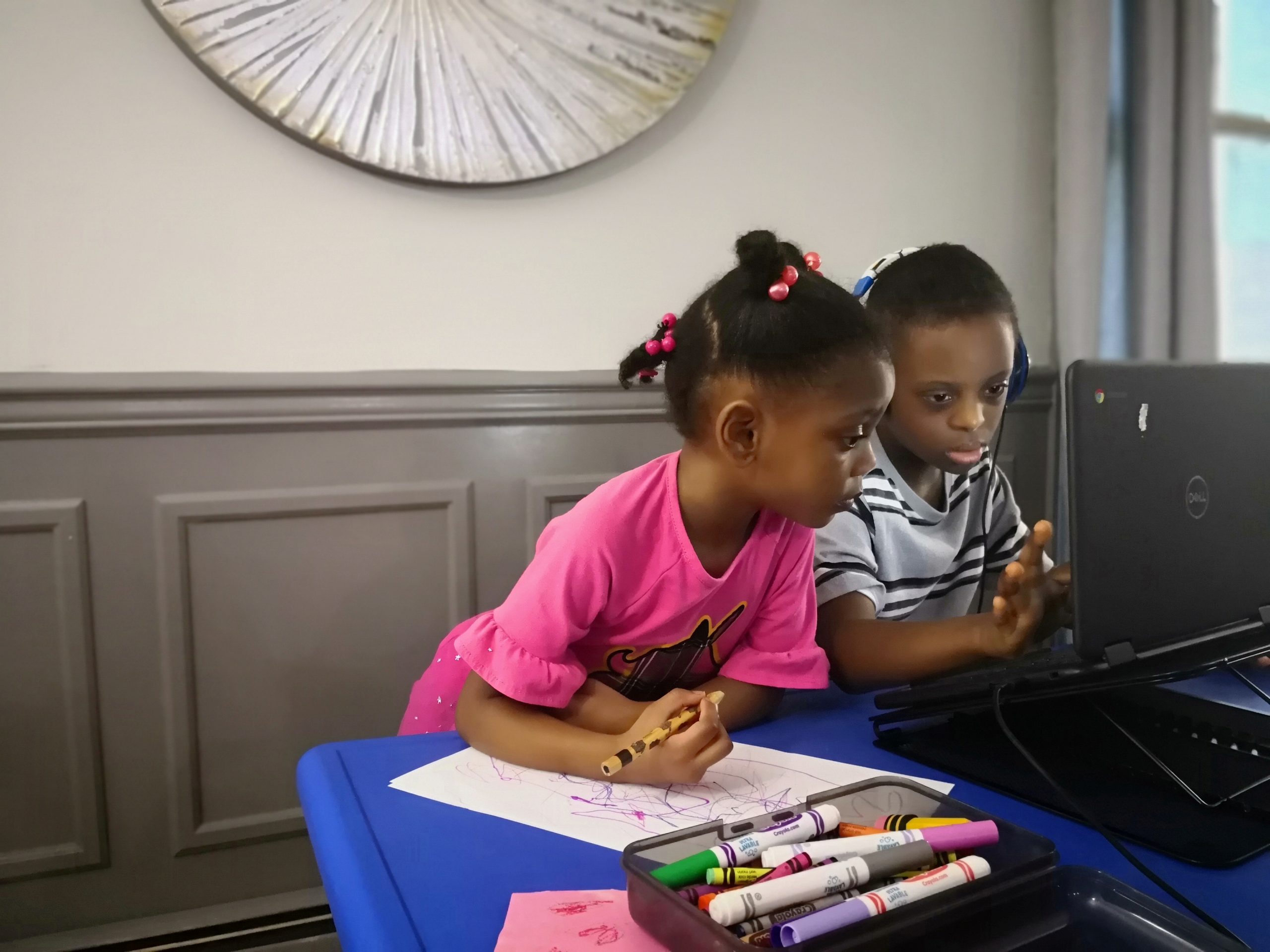
Meredith Kablick sat next to her five-year-old son Peter at home in Cheverly, Maryland, as he logged on to a Zoom video call for his first week of kindergarten at a French immersion school.
Like thousands of parents in the United States this week, the registrar assistant was supervising her child’s virtual schooling while working full-time. As with many schools from coast to coast, classes in the Washington, D.C., suburb reopened online to avoid the risk of COVID-19 infection.
Chaos marked the first days, said Kablick, a mother of two.
Her son and 17 classmates, many unaware of how to mute themselves on the video call, fought to concentrate on their teacher speaking a foreign language with the sound of barking dogs and bickering parents in the background.
“Sometimes it’s funny, but sometimes you’re just like, how is this going to go on? How can we live like this?” Kablick said. “It’s exhausting.”
The new school year had held promise of some return to normalcy for American families since the pandemic upended daily life and made much of the spring semester unproductive. But the spread of the coronavirus over the summer set off a national debate over whether to resume in-classroom instruction.
Public schools in Los Angeles and Chicago moved all classes online and New York City has pushed back the start of its blended program, with in-person and remote classes, after teachers protested against a reopening plan they felt was unsafe.
Health experts have warned against opening where COVID-19 transmission is high. But in-person schooling has a positive psychological impact that virtual learning lacks, and is important for kids who rely on school for meals, U.S. top infectious disease official Anthony Fauci told reporters last month.
Virtual classes have shown a lower quality of learning, a Reuters survey found.
While online classes have been smoother than the haphazard online lessons thrown together in March, schools still suffer from web portals crashing, students struggle to upload assignments, and parents sweat to keep their kids focused while working, according to interviews with parents and teachers this week.