



‘Civil Rights Isn’t Over’: Americans Mark Juneteenth Coast to Coast
Thousands marched through U.S. cities on Friday in Juneteenth observances marking the abolition of slavery more than a century and a half ago, an occasion freighted with special resonance this year amid America’s…
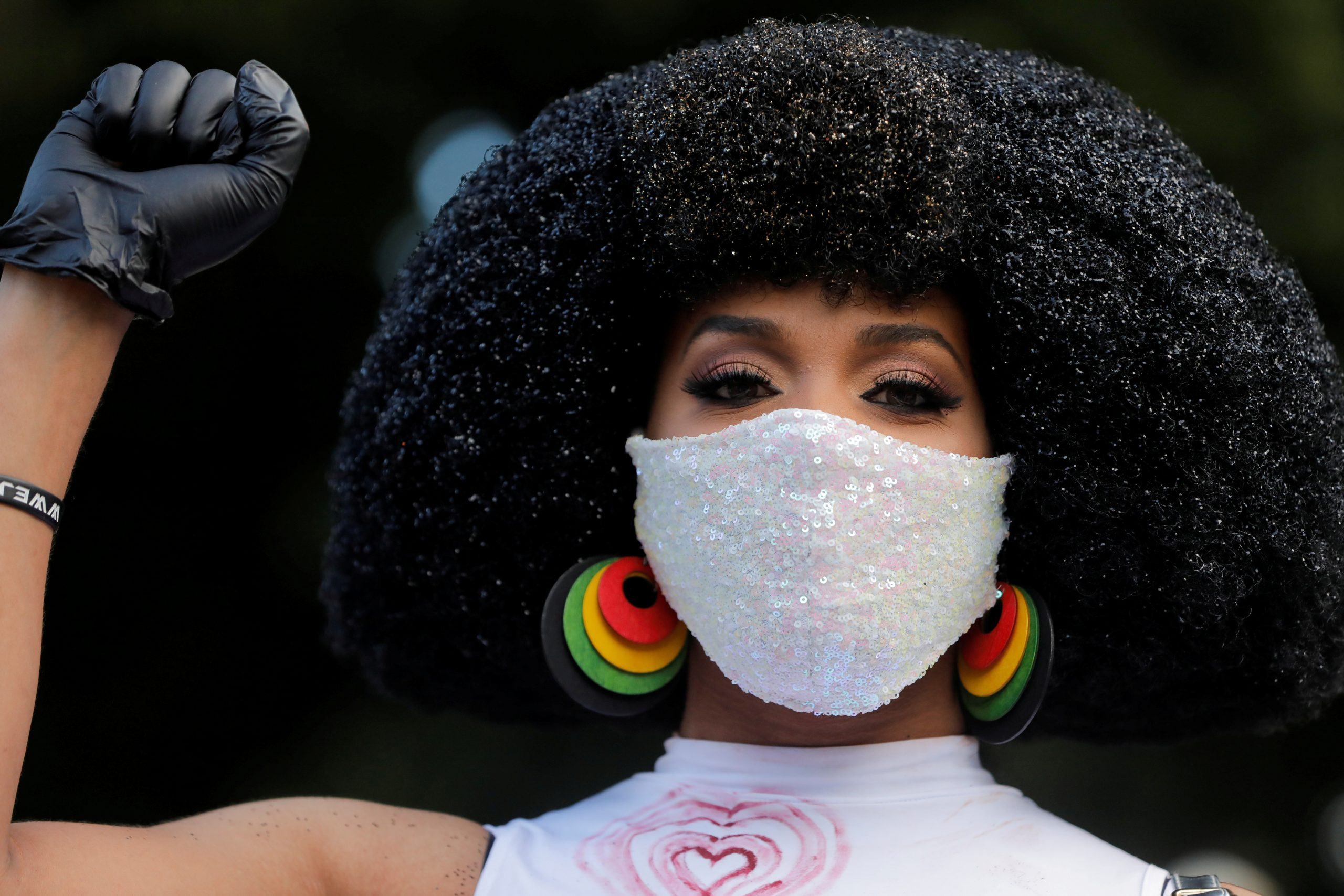
Thousands marched through U.S. cities on Friday in Juneteenth observances marking the abolition of slavery more than a century and a half ago, an occasion freighted with special resonance this year amid America’s reckoning with its legacy of racism.
Capping nearly four weeks of protests and national soul-searching aroused by the death of a Black man, George Floyd, under the knee of a white police officer, demonstrators took to the streets from Atlanta to Oakland, California, blending the Juneteenth holiday with calls for racial justice.
With many formal Juneteenth events canceled due to coronavirus concerns, activists instead organized a host of virtual observances online, as well as street marches and “car caravans” through several major cities.
While the gatherings were largely festive in mood, in keeping with Juneteenth traditions, they were also animated by demands for reforms to end brutality and discrimination in U.S. Law Enforcement.
Organized labor joined in the movement, with union dockworkers at 29 West Coast cargo ports marking the occasion by staging a one-day strike. Numerous major U.S. corporations declared June 19 a paid holiday this year, some for the first time.
Juneteenth, a portmanteau of June and 19th, commemorates the U.S. abolition of slavery under President Abraham Lincoln’s 1863 Emancipation Proclamation, belatedly announced by a Union army in Galveston, Texas, on June 19, 1865, after the Civil War ended.
Texas officially made it a holiday in 1980, and 45 more states and the District of Columbia have since followed suit.
Four Democratic U.S. senators planned to introduce a bill to declare Juneteenth a federal holiday.