



Americans Send Biden an Unmistakable Reality Check About His Electric Vehicle Push in New Poll
This is probably not the news the Biden campaign had been hoping for seven months before November’s general election. As his administration continues to push electric vehicles, the American people are not with him. Just…
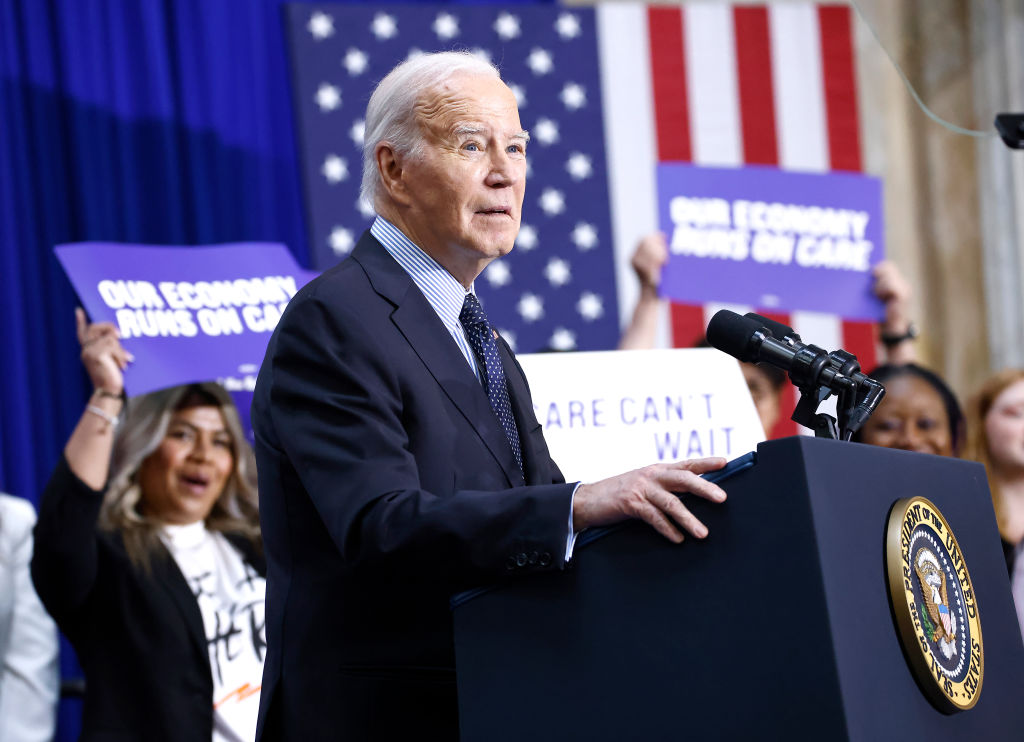
This is probably not the news the Biden campaign had been hoping for seven months before November’s general election.
As his administration continues to push electric vehicles, the American people are not with him. Just the opposite, in fact.
EV ownership has risen over the past year, of course — no surprise there. The increase hasn’t been huge — from 4 percent to 7 — but still, I’m sure President Joe Biden sees almost doubling the number of American EV owners in one year as something of a victory for his policies.
Not looking so good for Team Biden, however, is the fact that number of people who told Gallup that they were “seriously considering” a purchase of a new EV was down by a similar 3 points, from 12 percent to 9 percent.
If you’re Joe Biden, however (and I’m assuming you’re not, because I don’t think he has the sense to read The Western Journal), the news gets worse.
Last year, about 43 percent of the people asked by Gallup whether they consider purchasing an EV in the future was approaching half — about 43 percent.
This year, that number dropped to just barely over a third — 35 percent.
Overall, Gallup reported, the number of people considering the purchase of an EV either now or sometime in the future has dropped from 55 to 44 percent, while those who say they won’t buy one has risen from 41 to 48 percent.
That’s not how the Biden administration would like to see these numbers moving.
Gallup noted that Biden had set an ambitious goal of 60 percent of all new vehicle production being electric in just six years. “But that appears unlikely to occur unless consumer preferences change rapidly in the coming years,” the self-described global analytics and advisory firm said.