



Analysis: US Voting Law Debates Stoke Tussle Over Airline Tax Breaks
Airlines are bracing for challenges to tax breaks they receive from U.S. states as a result of wading in to a political debate over voting rights, rekindling a domestic tug of war between politics and profits. A…
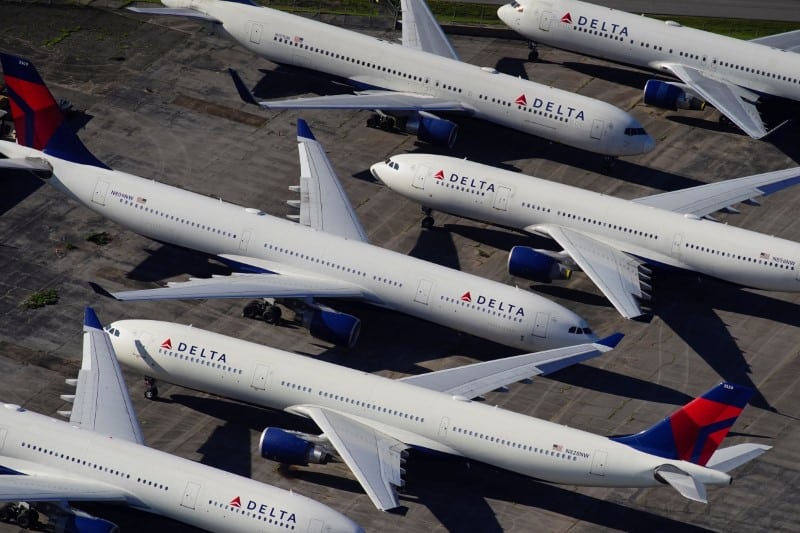
Airlines are bracing for challenges to tax breaks they receive from U.S. states as a result of wading in to a political debate over voting rights, rekindling a domestic tug of war between politics and profits.
A Republican backlash faced by Delta Air Lines in its home state of Georgia after it called new restrictions unacceptable is spreading to Texas as some corporations clash with Republican lawmakers there.
Democrats say the tighter regulations are undemocratic and will hurt Black voters in particular.
American Airlines and United Airlines have spoken out against measures that restrict voting access, sparking a furious response from Republicans who say the bills counter fraud.
After Delta blasted Georgia’s Republican-backed voting bill last week, some lawmakers attempted to end its jet-fuel tax breaks.
Now airlines are concerned that tax breaks that allow them to reduce fuel costs could be singled out by lawmakers in Texas in retaliation for opposition to new voting laws, people familiar with their thinking said.
“We have an eye on that as a possibility and I think it goes without saying that we wouldn’t like that,” one person said, asking not to be identified.
On Tuesday, Texas Lieutenant Governor Dan Patrick ripped companies for opposing the bill and accused American’s chief executive of failing to read it, something the airline denied.
The clashes shed new light on the reliance of some U.S. carriers on state tax breaks to shave their fuel costs, airlines’ second-largest expense after labor and one that weighs on razor-thin profit margins.
“There’s one thing that you consume a lot of in the airline business and that is fuel,” said U.S. airline analyst Bob Mann.
“So they spend a lot of time trying to avoid taxation or eliminate taxation where they can. It’s a competitive weapon.”
Airport and fuel costs can influence airlines’ decisions on where to add flights, and most states “really want more air service, not less,” an executive at a small U.S. airline said.