



ANDREA PICCIOTTI-BAYER: Minnesota Tragedy Reminds Us That Sacred Spaces Worth Defending
Assumption Catholic Church in Minneapolis should have been ordinary and joyful: children in uniforms, parents greeting one another, the smell of hymnals and polished floors, the familiar cadence of morning Mass…
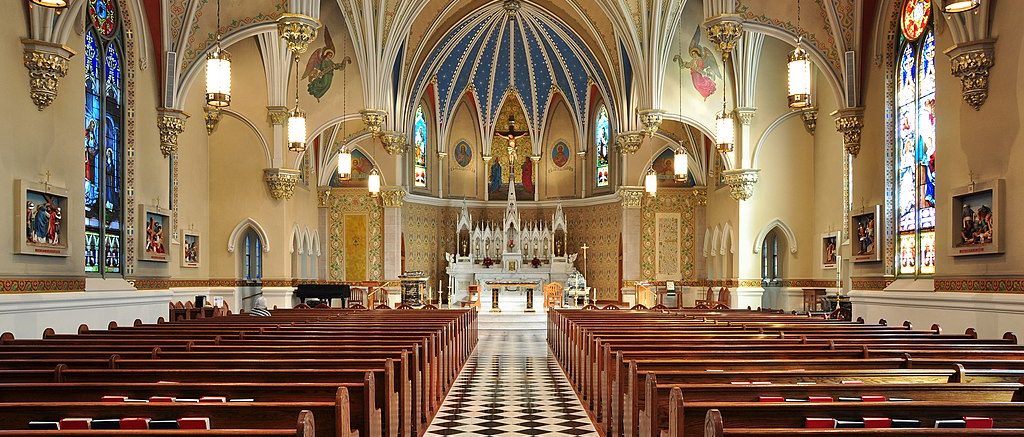

Assumption Catholic Church in Minneapolis should have been ordinary and joyful: children in uniforms, parents greeting one another, the smell of hymnals and polished floors, the familiar cadence of morning Mass. Instead, horror struck. A young man, battling severe mental illness and the darkness within him, opened fire during the all-school Mass. Two children were killed, 14 more wounded, and a community was left to grieve wounds that will never fully heal. What should have been a sanctuary—a place set apart, protected, holy—was shattered in an instant.
As a daily Mass-going Catholic and mother of 10 whose school-age children attend faith-based schools, I had just left morning Mass when the alerts began flooding my phone. My heart raced as I pictured my own children, their teachers guiding them through prayers, a school community settling into the familiar rhythm of worship. The thought that such a sacred moment could be pierced by gunfire made the world feel suddenly smaller, harsher, more fragile.
This attack is tragically not an anomaly. Americans remember the 2023 shooting at the Covenant School in Nashville, where three children and three adults were murdered in a Christian school. And after the leak of the Supreme Court’s draft opinion in Dobbs v. Jackson Women’s Health Organization, CatholicVote documented hundreds of acts of vandalism against Catholic churches: statues of the Blessed Mother defaced, tabernacles stolen, sanctuaries desecrated. In many cities, patrol cars sit outside synagogues, a sad but necessary reminder that people of faith cannot assume society will honor sacred space—they must rely on visible security just to worship safely.
Even government policy has sometimes treated sacred spaces as less important than the marketplace. During the pandemic, governors like Gavin Newsom in California and Andrew Cuomo in New York restricted religious gatherings while allowing big-box stores, liquor shops, and marijuana dispensaries to remain open.
More recently, the federal government permitted