



Apple Shareholders Still Haven’t Given Up On DEI
Apple shareholders voted against a proposal Tuesday to scrap the tech giant’s diversity, equity and inclusion (DEI) policies. The propos al — drafted by the National Center for Public Policy Research (NCPPR), a…
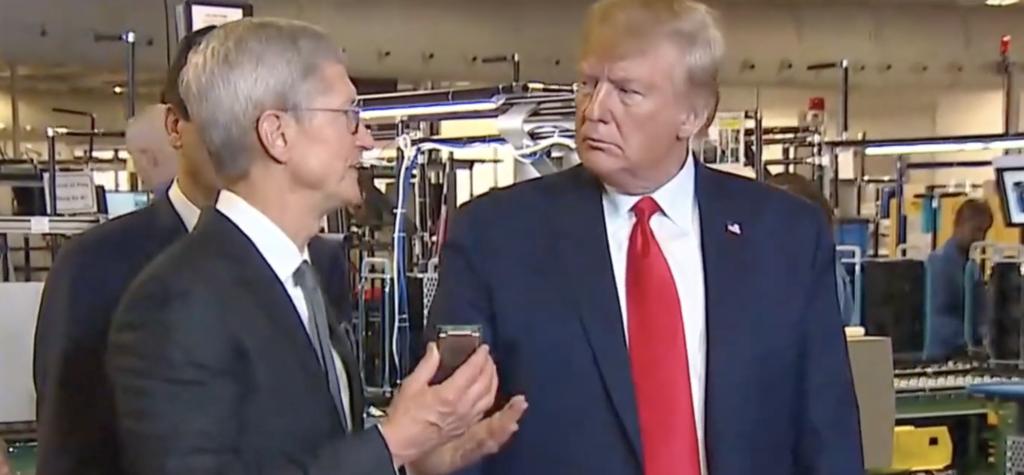

Apple shareholders voted against a proposal Tuesday to scrap the tech giant’s diversity, equity and inclusion (DEI) policies.
The proposal — drafted by the National Center for Public Policy Research (NCPPR), a conservative think tank — urged Apple to join Silicon Valley’s growing rejection of the policies since President Donald Trump took office. Apple’s board recommended shareholders vote against the “unnecessary” proposal, arguing the company’s “well-established compliance program” insulated it from the threat of DEI-related litigation, which has increased in the wake of various anti-discrimination Supreme Court cases. Shareholders ultimately heeded the board’s advice, with over 97% voting against the motion, according to a Securities and Exchange Commission (SEC) filing.
“It’s clear that DEI poses litigation reputational and financial risks to companies, and therefore financial risks to their shareholders, and therefore further risks to companies for not abiding by their fiduciary duties,” NCPPR wrote in its argument to shareholders.
NCPPR argued the shifting judicial consensus around what is considered discriminatory — paired with an executive branch increasingly hostile to DEI programs — placed Apple in a precarious legal position, exposing the company to anti-discrimination claims. The think tank cited Students for Fair Admissions v. Harvard, the 2023 Supreme Court decision that ruled race-based affirmative action practices in college admissions unconstitutional, and fears that corporate DEI programs could be implicated under the ruling. Those fears intensified, NCPPR argued, when the Supreme Court ruled in 2024 that Title VII of the Civil Rights Act protected against discriminatory job transfers, as well as lowering the bar for employees to successfully sue their employers on that basis in