



Archaeologist Uncover 1,200 Year Old Bread Bearing The Image Of Jesus Christ
A 1,200-year-old loaf of burned bread just made global headlines — and it’s not because of what’s inside, but what’s on it. Archaeologists in Turkey, digging through ruins of an ancient Christian city, unearthed…
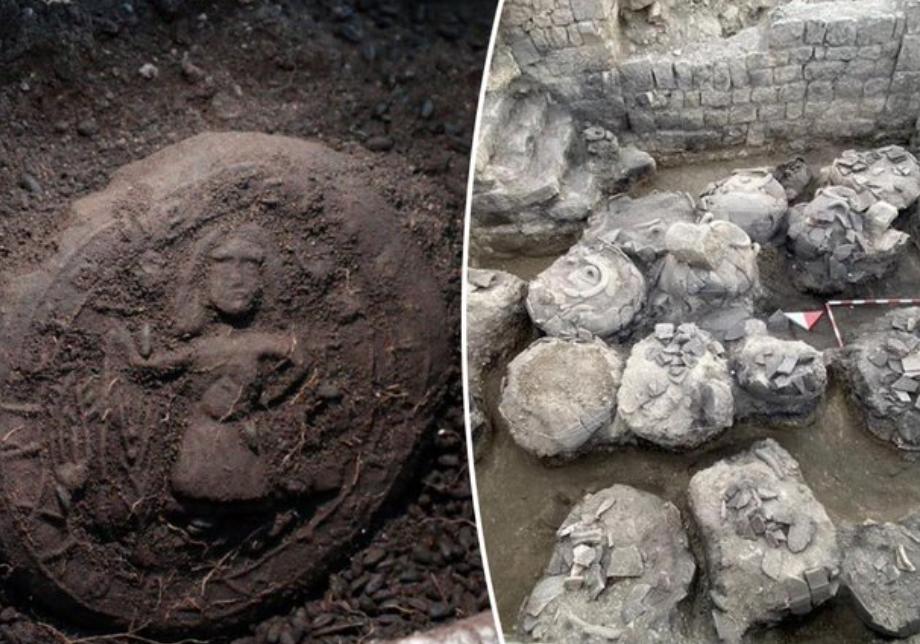
A 1,200-year-old loaf of burned bread just made global headlines — and it’s not because of what’s inside, but what’s on it.
Archaeologists in Turkey, digging through ruins of an ancient Christian city, unearthed something that left even seasoned experts stunned: a blackened, carbonized loaf of bread bearing what appears to be the image of Jesus Christ. Yes, really — a loaf of bread, baked in the 7th or 8th century A.D., carrying a faint yet visible depiction of Jesus. And that’s not all. Below the image? An inscription reading, “With gratitude to the Blessed Jesus.”
What started as a typical excavation has turned into a global curiosity — and possibly one of the most unexpected windows into early Christian life ever discovered.
The announcement came quietly from the Karaman Governorship in south-central Turkey, via a Facebook post. But the story is anything but quiet now.
The loaf was one of five found at the Topraktepe site — once known as Eirenopolis, an ancient city that once pulsed with early Christian worship. Photos released by the archaeologists show the charred surface, still surprisingly intact after more than a millennium, with faint outlines of symbols and lettering that experts believe were deliberately placed before baking.
And here’s where it gets even more fascinating.
Unlike the standard image of Christ used in Orthodox iconography — where He’s shown holding up His right hand in blessing — this bread shows Him as a farmer or sower. That alone is unique. It signals a very different kind of message: one rooted in daily life, labor, and perhaps a more personal connection between believers and their faith.
Officials said the symbolism likely reflects the religious mindset of the time — tying Jesus not only to holiness but to the everyday struggle of growing food, providing for a family, and staying grounded in the literal “bread of life.”
It’s also why some specialists now believe this may have been a form of communion bread — Eucharist used in early rituals, likely by believers who saw Christ as both Savior and Provider.
Another loaf was marked with a Maltese Cross, further tying the finds to Christian practices that predate many modern traditions. According to officials, the level of preservation thanks to carbonization is nearly unheard of in Anatolia. In fact, these loaves are now considered among the best-preserved Christian artifacts of their kind ever found in the region.