



AstraZeneca US Trial Data a Confidence Booster for COVID-19 Shot
AstraZeneca’s COVID-19 vaccine performed better than expected in a major late-stage trial, potentially paving the way for its emergency authorization in the United States and bolstering confidence in the shot after…
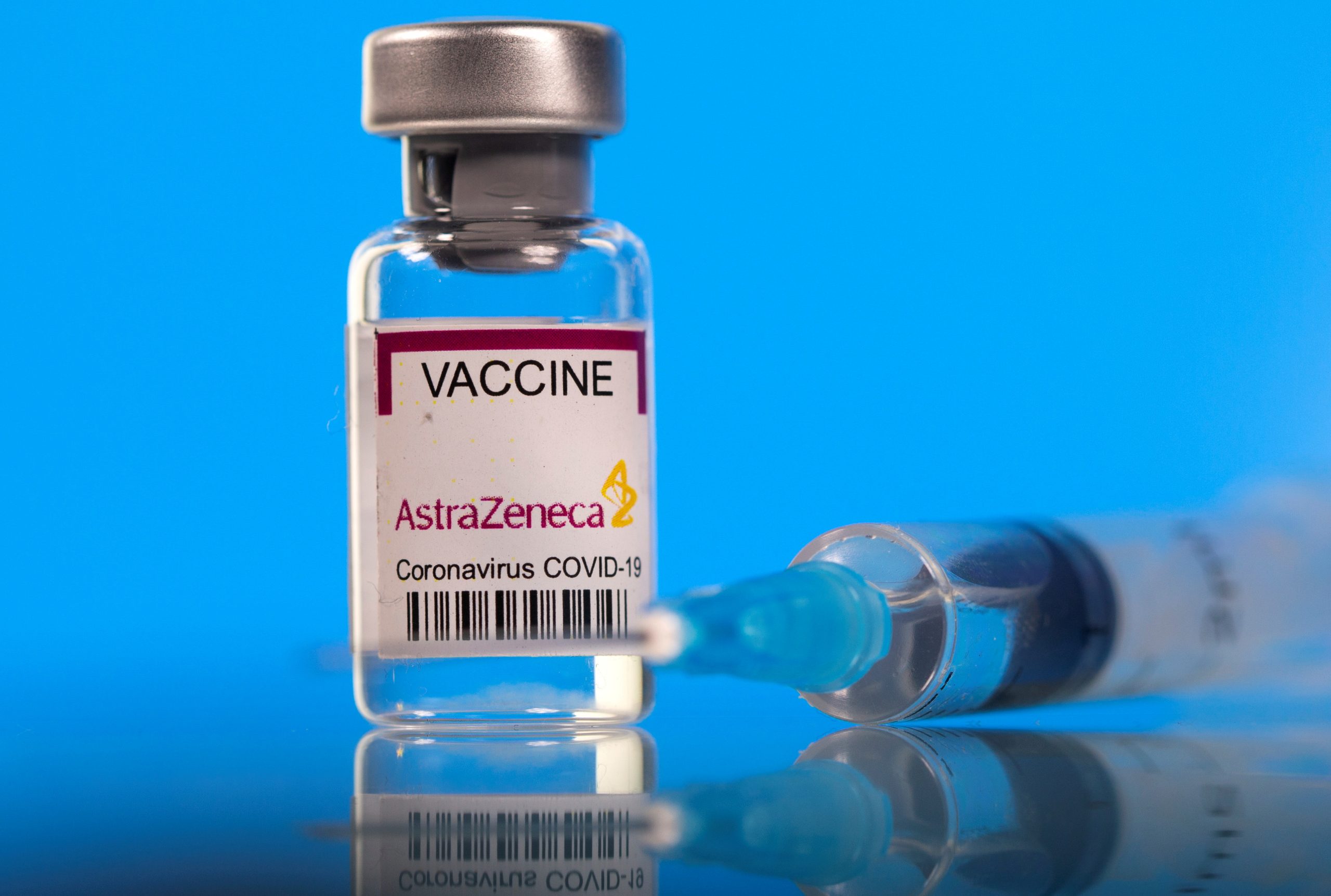
AstraZeneca’s COVID-19 vaccine performed better than expected in a major late-stage trial, potentially paving the way for its emergency authorization in the United States and bolstering confidence in the shot after numerous setbacks in Europe.
The drugmaker said on Monday that interim data from trials in Chile, Peru and the United States found the vaccine, developed in conjunction with Oxford University, was 79% effective in preventing symptomatic COVID-19 and, crucially, posed no increased risk of blood clots. It intends to request U.S. emergency authorization in the coming weeks.
More than a dozen European countries, including Germany and France, had halted use of the AstraZeneca vaccine earlier this month after reports linked it to blood clots in a very small number of people. They have since resumed inoculation after a regional regulator said it was safe, but an opinion poll on Monday showed Europeans remained sceptical over its safety.
Hailed as a milestone in the fight against the COVID-19 pandemic when it first emerged as a vaccine contender last year, the AstraZeneca shot has since been dogged by doubts over its efficacy, dosing regimen and possible side-effects as well as supply setbacks in Europe, where the company has been at the centre of a growing conflict between Brussels and London over so-called ‘vaccine nationalism’.
The latest data has yet to be reviewed by independent researchers, but it helps to address some of the concerns, analysts said.
“It is clear this vaccine has very good efficacy (remember that 60% was, prior to any trials being started, regarded as a good target), and that this efficacy does not show a notable decline at older ages,” Stephen Evans, Professor of Pharmacoepidemiology at the London School of Hygiene & Tropical Medicine, said.
Based on more than 32,000 people, the trial was larger and around 20% of volunteers were aged 65 and above, compared to 5.7% in an earlier British trial. The scarcer data had made some European countries hesitant to use the AstraZeneca shot on older people.
“Seeing this data now I hope gives others increased confidence that this is a very effective and safe vaccine,” Mene Pangalos, an AstraZeneca executive vice-president, told a news briefing.