



Auditor Report Flags Kentucky Governor For ‘Luxury’ Spending
Peace in the Middle East has a long history of collapsing under its own weight. Diplomats announce breakthroughs. Leaders shake hands. Agreements are signed. And then, almost inevitably, the region’s deep fractures…
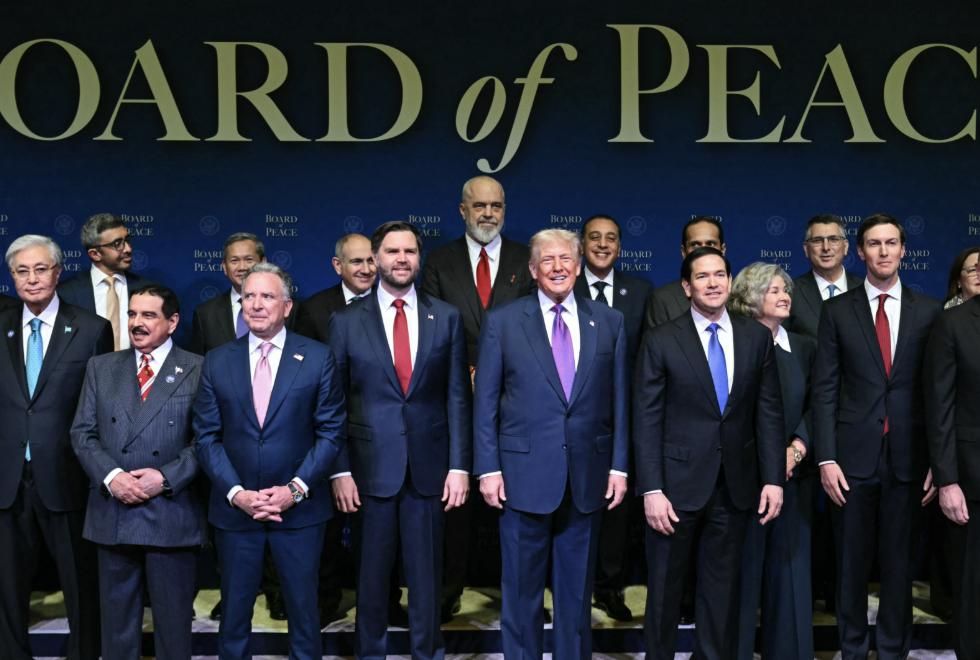
Peace in the Middle East has a long history of collapsing under its own weight. Diplomats announce breakthroughs. Leaders shake hands. Agreements are signed. And then, almost inevitably, the region’s deep fractures reassert themselves. That’s why every new initiative tends to come with an unspoken qualifier: if this works.
On Thursday, President Donald Trump moved to test that assumption.
The president chaired the first official meeting of the newly formed Board of Peace, an ambitious coalition focused on rebuilding Gaza after months of devastation. And unlike many previous efforts, this one arrives with serious financial and political muscle behind it.
Earlier in the day, the administration confirmed that the United States would commit $10 billion to the reconstruction effort. That announcement alone signaled the scale of the undertaking. But the meeting itself added more substance to the headline.
U.S. Ambassador to the United Nations Mike Waltz detailed the ongoing humanitarian push already underway. According to Waltz, 4,200 aid trucks have entered Gaza, delivering food, clean water, and medical supplies. Just as notable was his claim that “diversion is down” — an acknowledgment that while aid theft has historically plagued relief efforts, the flow of resources is now reaching more civilians and less of it is being siphoned off.
The issue of diversion matters. Hamas has long been accused of intercepting and redirecting humanitarian supplies. Even a reduction in that activity suggests a shift in operational control on the ground — though it also underscores that the problem has not disappeared entirely.
White House Press Secretary Karoline Leavitt added another key detail: before the meeting began, President Trump signed a document committing the initiative to financial integrity and transparency. Large-scale international rebuilding efforts have often been marred by corruption, waste, or misallocation of funds. The Board of Peace unanimously approved the resolution, signaling agreement that oversight will be central to the mission.
The White House also released an extensive reconstruction outline detailing timelines, resource allocation, infrastructure priorities, and coordination with international partners. Earlier reporting indicated that an international coalition has already pledged more than $5 billion toward the broader peace effort.