



Bad Bunny’s Halftime Moment Creates Questions Nationwide
Bad Bunny’s Super Bowl halftime show was never going to be just about music. Long before he stepped onto the field, the performance had already become a proxy battle in America’s ongoing culture war — one that…
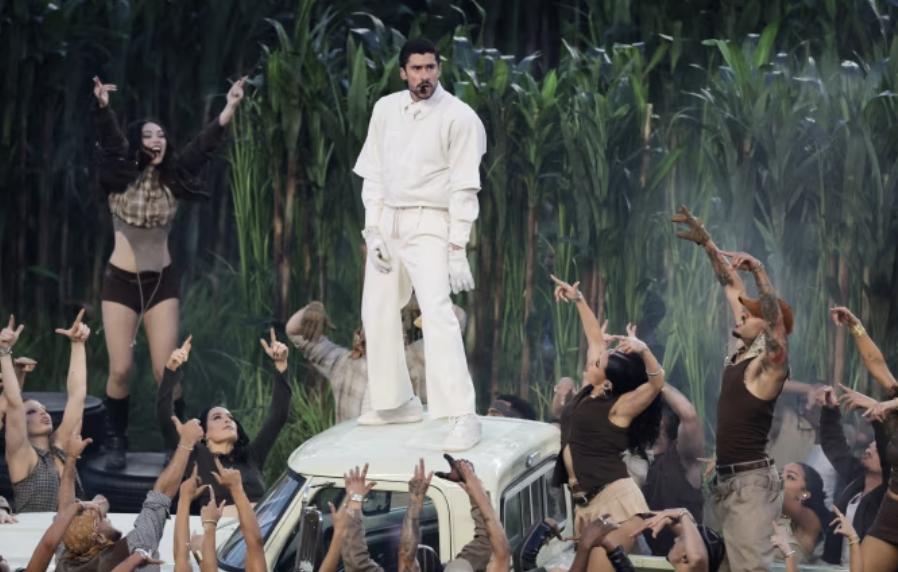
Bad Bunny’s Super Bowl halftime show was never going to be just about music. Long before he stepped onto the field, the performance had already become a proxy battle in America’s ongoing culture war — one that increasingly centers on language, national identity, and what it means to be “American” in 2026.
The timing could not have been more pointed. Just days before the game, Florida officially moved to make English the only language permitted for all driver’s license knowledge and skills tests. The Florida Department of Highway Safety and Motor Vehicles framed the change as a matter of safety and clarity, emphasizing that drivers must be able to read road signs, follow instructions, and understand emergency commands. Gov. Ron DeSantis celebrated the move as “common sense,” arguing that a shared language on the roads protects everyone. Lt. Gov. Jay Collins echoed the sentiment, calling it a straightforward step to improve public safety.
That policy shift landed in the middle of a broader national conversation about assimilation versus accommodation — and then came Bad Bunny.
The Puerto Rican superstar delivered the first halftime show in Super Bowl history performed predominantly in Spanish, unapologetically centering Latin culture, history, and grievance. From the sugar cane fields to the bomba drums, from the imagery of laborers fixing power lines to songs warning about Puerto Rico being culturally overwhelmed by outsiders, the message was layered but unmistakable. This was not a neutral celebration. It was a declaration.
Bad Bunny’s insistence on Spanish was itself the statement. In an era when states like Florida are asserting that English proficiency is essential for civic participation, Bad Bunny flipped the script on the biggest stage in American sports. He did not translate. He did not apologize. He did not adjust his message for English-speaking comfort. Instead, he made millions of viewers sit with the reality that they were the ones who might not understand.
That tension only sharpened when Bad Bunny briefly switched to English to say “God bless America,” then immediately returned to Spanish, naming countries across the Americas and ending the performance with “We’re still here.” The message was not subtle. America, in his telling, is multilingual, multicultural, and continental — and those who don’t like it can deal with it.