




Barr Reveals FBI Was Able to Access Pensacola Shooter’s iPhone Without Apple’s Help
The Federal Bureau of Investigation (FBI) says it discovered new evidence that “definitively establishes” the individual behind the shooting at Pensacola Naval Air Station had “significant ties” to al Qaeda in the…
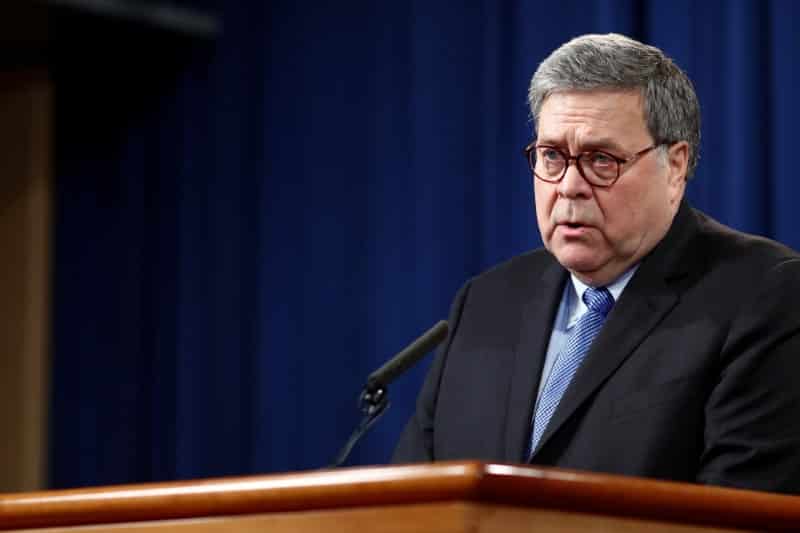
The Federal Bureau of Investigation (FBI) says it discovered new evidence that “definitively establishes” the individual behind the shooting at Pensacola Naval Air Station had “significant ties” to al Qaeda in the Arabian Penisula.
Attorney General William Barr said that development came after FBI technicians were finally able to access the iPhones of Mohammed Alshamrani’s, the gunman who opened fire at the naval station in December.
“Today, I am pleased to announce that thanks to the relentless efforts and ingenuity of FBI technicians, the FBI succeeded in unlocking Alshamrani’s phones,” Barr said in a virtual press conference on Monday.
He continued, “The phones contained information previously unknown to us, that definitively establishes Alshamrani’s significant ties to al Qaeda in the Arabian Peninsula.”
Watch the video below:
The news that the FBI was able to access the phones comes months after Alshamrani opened fire at the Naval Air Station Pensacola, Florida.
As the FBI investigated Alshamrani, it sought Apple’s help to unlock his two phones because they were unable to access them due to security measures.
In January, President Donald Trump took to Twitter to blast Apple for not unlocking the phones, “We are helping Apple all of the time on TRADE and so many other issues, and yet they refuse to unlock phones used by killers, drug dealers, and other violent criminal elements.”
Barr also criticized Apple and claimed that the technology giant had “not given any substantive assistance” to investigators.
However, Apple dismissed the suggestion that it was not helpful. In a statement to Politico, the company said, “We reject the characterization that Apple has not provided substantive assistance in the Pensacola investigation. Our responses to their many requests since the attack have been timely, thorough, and are ongoing.”
Apple has historically bucked law enforcement’s pleas for helping in unlocking criminal suspects’ iPhones. After the 2015 San Bernardino shooting, Apple refused to unlock the iPhone of Syed Rizwan Farook, who was one of the shooters.
However, the FBI was eventually able to access the phone, but it was unclear how the law enforcement was able to crack the phone’s security measures.