



BBC Issues Apology After Reporter Asks Morocco’s Captain ‘Inappropriate’ Question
The BBC issued an apology after one of its reporters asked the soccer captain of the Morocco women’s national team an “inappropriate” question. A spokesperson for BBC told CNN , “We recognise that the question was…
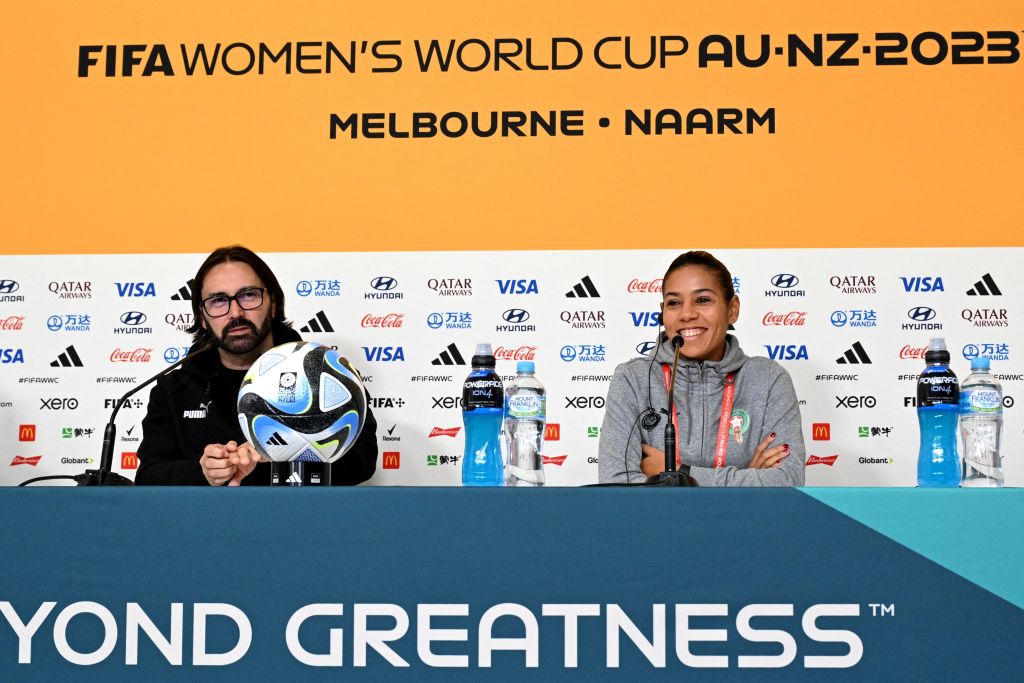
The BBC issued an apology after one of its reporters asked the soccer captain of the Morocco women’s national team an “inappropriate” question.
A spokesperson for BBC told CNN, “We recognise that the question was inappropriate. We had no intention to cause any harm or distress.”
During a media conference ahead of Morocco’s Women’s World Cup opener against Germany, a BBC reporter asked Ghizlane Chebbak about the sexual orientation of the players on her squad and what “life was like for them” due to the country’s law against same-sex relationships.
However, a moderator for the conference intervened before Chebbak could respond.
“Sorry, this is a very political question, so we’ll just stick to questions relating to football,” the moderator said.
Nonetheless, the reporter insisted the question wasn’t “political.”
“It’s about people. It’s got nothing to do with politics. Just please let her answer the question,” the journalist responded.
Steph Yang, Athletic’s staff writer for women’s soccer, shared her thoughts on the incident in a post on Twitter.
“One reporter here asked directly if there are gay players on the Moroccan squad, given same-sex relationships are illegal in Morocco. From a harm reduction perspective, this is not an appropriate question for a player and would have endangered the players themselves,” she wrote.
https://twitter.com/thrace/status/1682942268641275904?s=20