




Biden Hit With 2 ‘Pinocchios’ for ‘Misleading’ Claim About Price Tag for Spending Plan
President Joe Biden is being called out for a claim he has repeated about the actual price tag of his “Build Back Better” agenda. While speaking to reporters on Friday, Biden claimed, “We talk about price tags. It is…
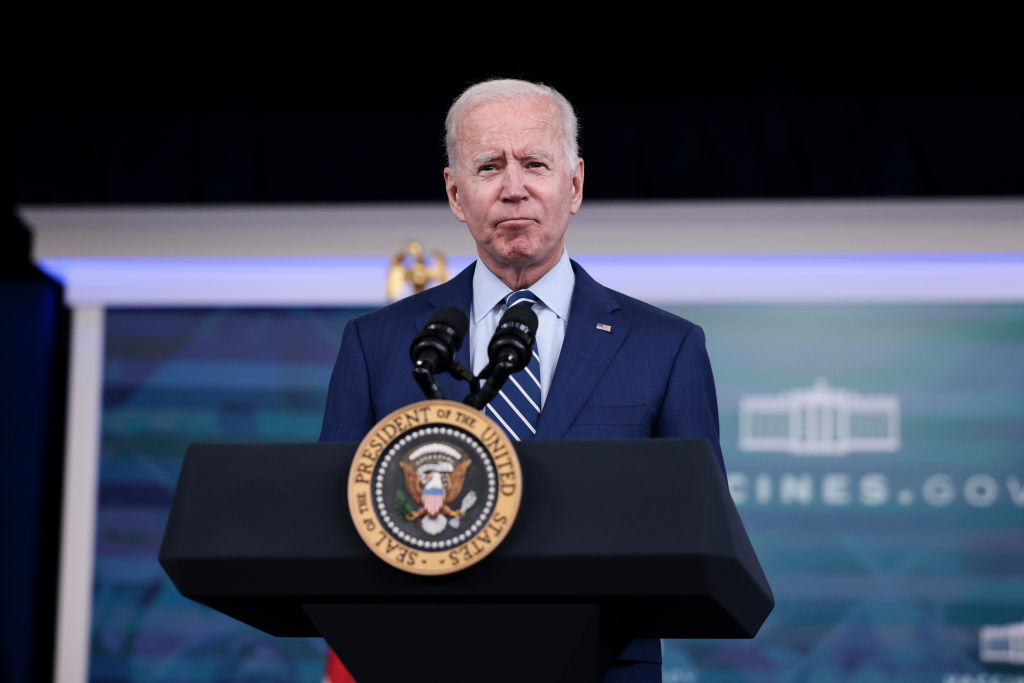
President Joe Biden is being called out for a claim he has repeated about the actual price tag of his “Build Back Better” agenda.
While speaking to reporters on Friday, Biden claimed, “We talk about price tags. It is zero price tag on the debt. We’re paying — we’re going to pay for everything we spend.”
And in a tweet on Saturday, he repeated that claim.
However, The Washington Post’s fact-checker, Glenn Kessler, said that claim is “misleading.”
In an article published on Tuesday, Kessler wrote, “The president and his aides have argued that this is misguided because Democrats are proposing to fund this spending with tax hikes on the wealthy, tougher tax enforcement, and other revenue raisers. Thus, while the gross cost might be $3.5 trillion, the net cost to the Treasury would be zero.”
“That’s the theory. But it’s worth recalling that this legislative package has evolved since Biden first claimed in the spring that his spending plans would not ‘add a single penny to our deficit.’ One part of that package has already been pegged as a deficit-raiser, and in a bit of sleight of hand, the White House is now focused on the second part,” he continued.
He noted that the original “Build Back Better” plan included a 10-year $2.25 trillion infrastructure plan and another $1.8 trillion American Families Plan that would have spent money to provide free community college and free prekindergarten programs. Together the two plans were predicted to add $1 trillion to the deficit over 10 years.
However, Kessler noted that White House officials argued that over 15 years, the revenue from tax increases would pay for the money appropriated. Still, he noted that budget analysts were “divided” about whether Biden’s plans would raise enough revenue to offset the spending.