



Biden Amin Looks To Leverage Secret Weapon on Infrastructure
The Biden administration is seeking to leverage a secret weapon in its bid to get corporate America to pay for a sweeping jobs and infrastructure package: the nation’s some 30 million small businesses. The White House’s…
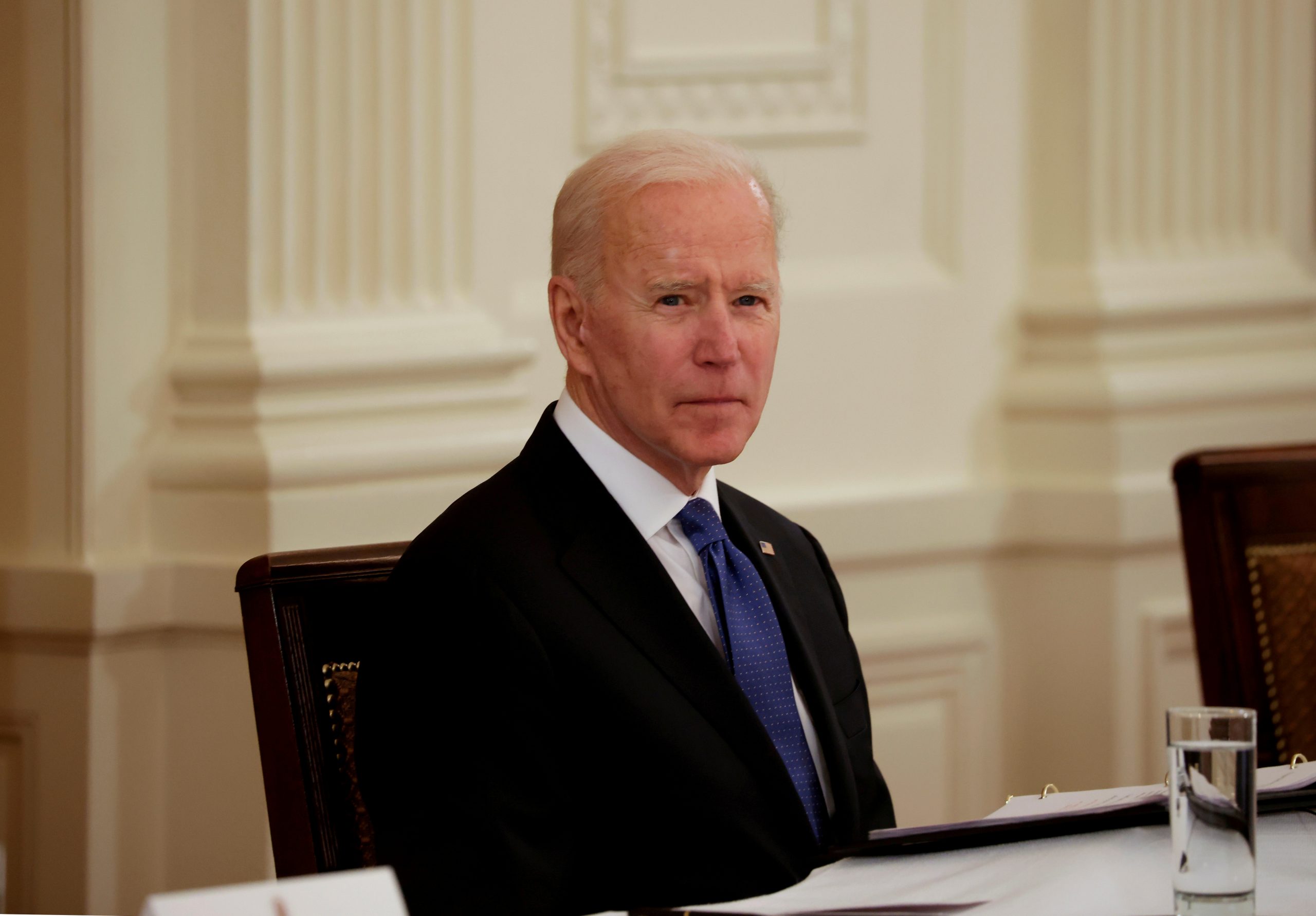
The Biden administration is seeking to leverage a secret weapon in its bid to get corporate America to pay for a sweeping jobs and infrastructure package: the nation’s some 30 million small businesses.
The White House’s effort, previously unreported, seeks to harness the political popularity of small businesses and the current agitation among them over a tax structure many view as generous to larger, billion-dollar corporations like Walmart Inc and Amazon.com Inc over Main Street establishments.
In doing so, the White House believes it has allies that will serve as an antidote to the large national trade groups – like the U.S. Chamber of Commerce and The Business Roundtable – who have come out in favor of infrastructure investment but strongly against President Joe Biden’s plan to raise the corporate tax rate from 21% to %28.
Biden is also seeking to limit the ability of American firms to avoid taxes by shifting profits overseas. Biden’s plan faces stiff opposition from Republican lawmakers who are more likely to dig in their heels than be swayed by small business sentiment.
Reuters has learned that in recent weeks, White House officials have held a spate of private briefings with small business leaders to explain Biden’s more than $2 trillion-dollar plan, which includes money for traditional infrastructure projects alongside addressing domestic policy priorities like climate change and racial equity.
‘LEVEL THE PLAYING FIELD’
On Tuesday, White House economic advisers and the head of the Small Business Administration, Isabel Guzman, joined thousands of local small business leaders on a call to detail the plan and field questions. The issue of tax fairness was a major theme.
“The Made in America tax plan will help level the playing field between small businesses and large multinational corporations, by ensuring that big corporations can’t escape or eliminate the taxes they owe by offshoring jobs and profits in the United States, and pay a lower tax rate than small businesses,” Isabel Guzman, administrator of the U.S. Small Business Administration, told business leaders on Tuesday.