



Biden Says Black Turnout Key To Winning Election, Battling Inequality
Democratic presidential nominee Joe Biden on Wednesday said Black turnout was the linchpin to his hopes of winning the White House in November and reversing economic and social inequities that have held back African…
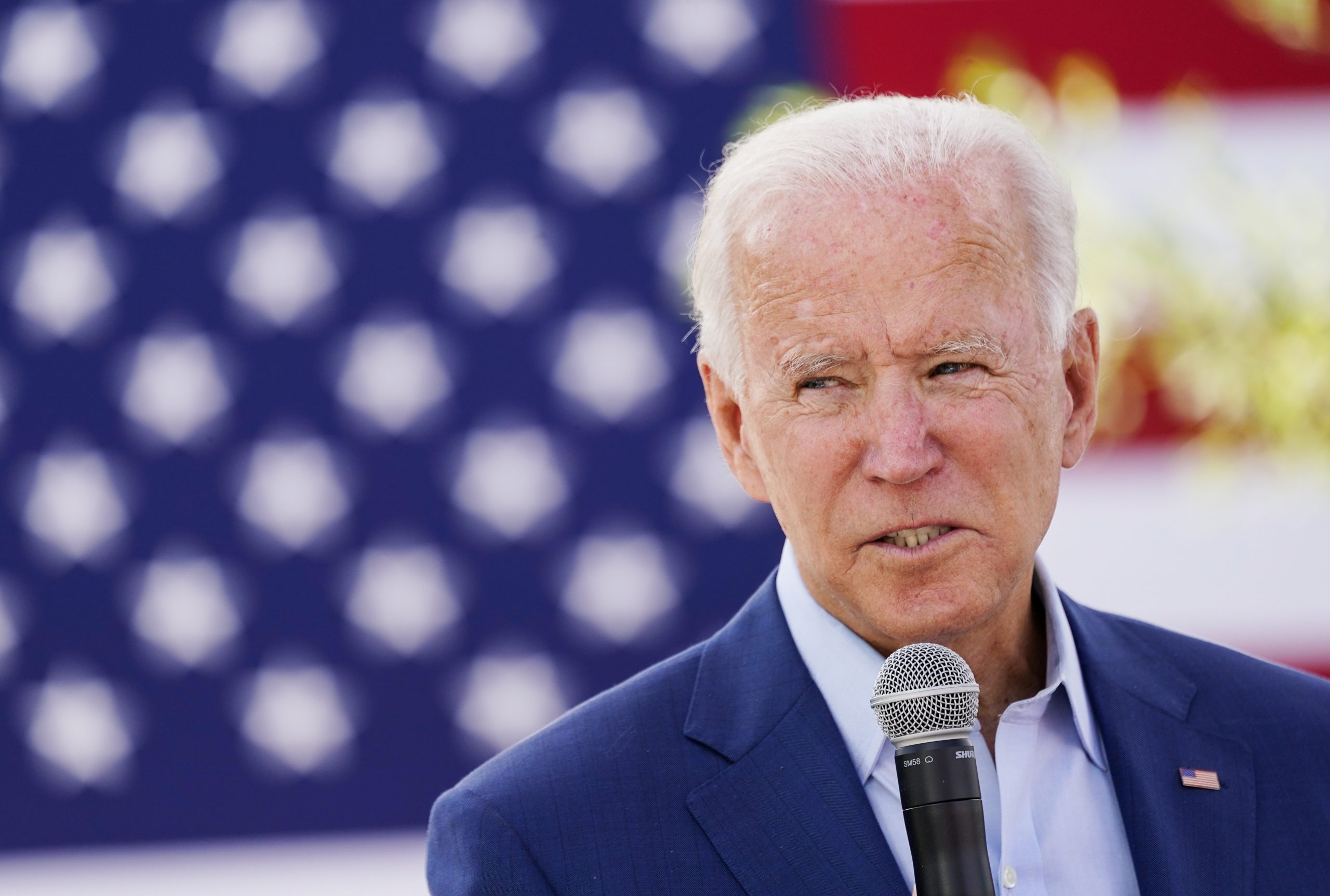
Democratic presidential nominee Joe Biden on Wednesday said Black turnout was the linchpin to his hopes of winning the White House in November and reversing economic and social inequities that have held back African Americans.
Noting that the coronavirus pandemic had hit the minority community especially hard, Biden said Black Americans would only achieve equality once they were in a position to build wealth, and voting was the starting point.
“There’s only one way to do it. We gotta show up and vote,” he told a Black economic summit in Charlotte, North Carolina, where he vowed to boost Black home ownership and push other policies to help African-American workers and businesses.
Biden has targeted North Carolina, where Republican President Donald Trump won by about 4 percentage points in the 2016 election, as a state he might reclaim in the Nov. 3 vote.
Wednesday’s trip was Biden’s first to North Carolina since winning the Democratic nomination. Trump has visited the state a number of times recently.
A Reuters/Ipsos opinion poll shows Trump and Biden running neck and neck in the state, which also has a crucial U.S. Senate race.
About one-fifth of the electorate in North Carolina in 2016 was Black, according to exit polls, and turnout among African Americans in the state could decide the vote.
The first dip in Black turnout in 20 years contributed to Democrat Hillary Clinton’s surprise loss to Trump in 2016.
Biden – vice president under Barack Obama, the first Black president – has detailed economic plans tailored to Black voters, including investing more than $70 billion in historically Black colleges and boosting investment and opportunities for Black-owned small businesses.
Some of Biden’s supporters, however, worry he has waited too long to engage Black voters in North Carolina.