



Biden, Citing ‘Economic Imperative,’ Orders Faster Relief Checks, More Food Aid
U.S. President Joe Biden on Friday ordered the faster issuance of pandemic stimulus checks to needy families and increased food aid for children who normally rely on school meals, an effort to ease Americans’ burdens…
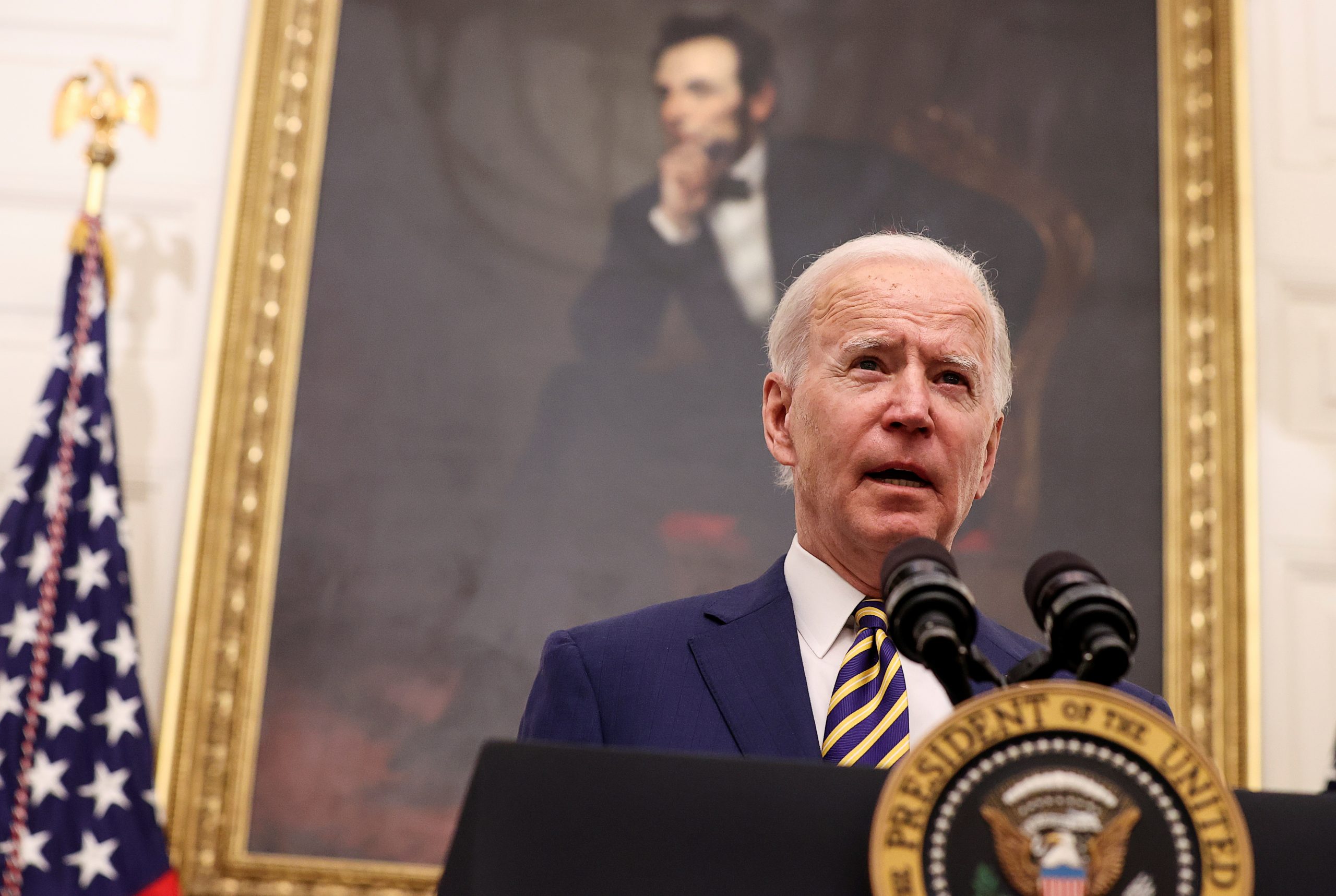
U.S. President Joe Biden on Friday ordered the faster issuance of pandemic stimulus checks to needy families and increased food aid for children who normally rely on school meals, an effort to ease Americans’ burdens while Congress negotiates over his proposed $1.9 trillion economic stimulus package.
In the opening days of his administration, Biden is emphasizing that the government must tackle the coronavirus crisis with urgency after his predecessor Donald Trump largely played it down.
More than 400,000 Americans have died from the virus and millions of jobs have been lost.
“It’s not just to meet the moral obligation,” Biden said in remarks at a White House event to sign two executive orders. “This is an economic imperative.”
Biden said his stimulus package to address the economic effects of the pandemic has support from business, labor, Wall Street and Main Street.
“A lot of America is hurting. The virus is surging. … Families are going hungry. People are at risk of being evicted. Job losses are mounting again. We need to act. No matter how you look at it, we need to act,” Biden said.
Republican lawmakers have questioned the price tag on pandemic aid and a separate investment proposal for infrastructure, green energy projects, education and research.
Earlier on Friday, White House National Economic Council director Brian Deese said he would speak with lawmakers on Sunday to push for relief.
“We’re at a precarious moment for the virus and the economy. Without decisive action, we risk falling into a very serious economic hole, even more serious than the crisis we find ourselves in,” Deese said.
Biden’s actions were not a substitute for legislative relief, Deese said, with about 16 million people now receiving some type of unemployment benefit and an estimated 29 million who do not have enough to eat.