



Biden Gets No Convention Bounce After Democratic Gathering: Reuters/Ipsos Poll
Democratic presidential candidate Joe Biden saw no bounce in popular support after last week’s Democratic National Convention, according to a Reuters/Ipsos poll released on Wednesday, pointing to Americans’ hardened…
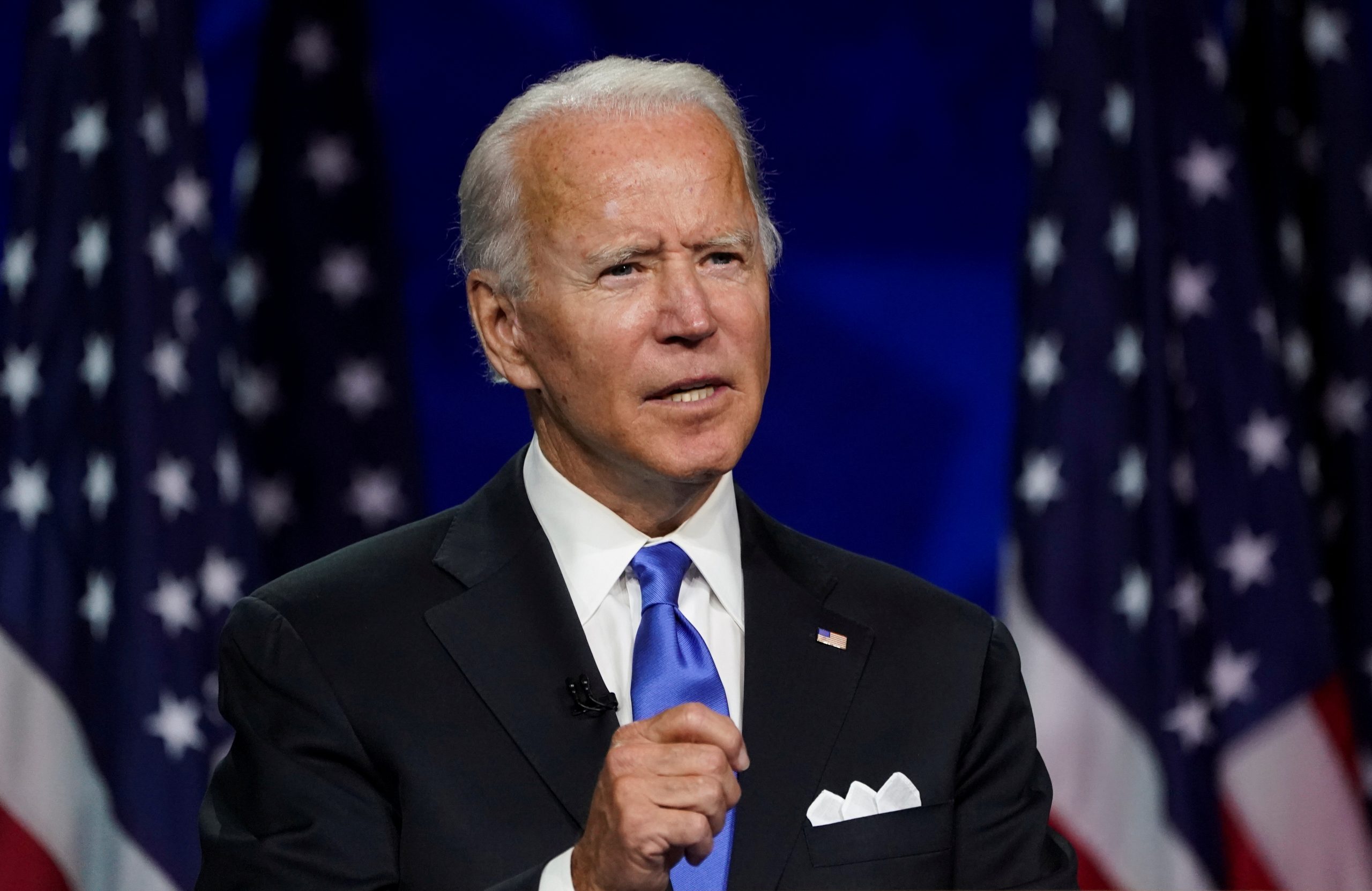
Democratic presidential candidate Joe Biden saw no bounce in popular support after last week’s Democratic National Convention, according to a Reuters/Ipsos poll released on Wednesday, pointing to Americans’ hardened political views.
Biden held his lead over President Donald Trump in the national opinion poll taken Aug. 19 to 25, with 47% of registered voters backing the Democratic challenger and 40% supporting the Republican incumbent. That was a similar edge to what Biden had before his party’s convention, a scaled-back, virtual event because of the coronavirus pandemic.
That marks a shift from many past election cycles. The previous Democratic nominee, Hillary Clinton, saw a 4-percentage-point gain against Trump after her party’s 2016 convention, while Trump’s support also rose 4 points after his party’s gathering that year. The Republicans are holding their convention, a mix of in-person and virtual events, this week.
There are a number of likely reasons why Biden has not received a similar jump in support. The party nominating conventions were scheduled later in the election year and the party faithful gathered mostly online because of concerns about the coronavirus.
There also appear to be fewer undecided voters in 2020. About 14% of registered voters did not support either of the major-party candidates in the latest poll, down from about 22% who were similarly undecided four years ago.
The poll also found that while Biden improved his standing over the past month among African Americans, Trump has eaten into Biden’s advantage in the suburbs. He has been attacking Biden by painting him as a threat to the “suburban lifestyle dream.”
Biden’s advantage over Trump among African Americans increased by 6 percentage points from July to August, after he named Kamala Harris as his running mate, making her the first Black woman nominated by a major party for vice president. About 71% of African-American respondents said they supported Biden for president, while 9% would vote for Trump.