



Biden Regulators Investigating Counterfeit Chinese Materials Used By Major Jet Manufacturer
The Federal Aviation Administration (FAA) is investigating how counterfeit titanium from a Chinese company found its way into recently manufactured Boeing planes, according to The New York Times. The counterfeit…
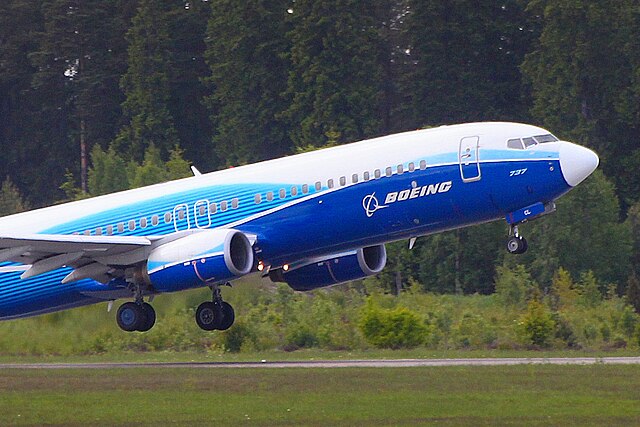

The Federal Aviation Administration (FAA) is investigating how counterfeit titanium from a Chinese company found its way into recently manufactured Boeing planes, according to The New York Times.
The counterfeit titanium was discovered after a parts supplier for the plane manufacturer found small holes in the material due to corrosion, generating concerns about the structural integrity of the planes, according to people familiar with the matter who spoke to the NYT. It is not clear yet how many planes were affected or which airlines own or operate them, but the materials were included in parts manufactured between 2019 and 2023 on Boeing 737 Max and 787 Dreamliner airliners, as well as in European competitor Airbus’ A220 jets.
“Boeing reported a voluntary disclosure to the FAA regarding procurement of material through a distributor who may have falsified or provided incorrect records,” an FAA spokesperson told the Daily Caller News Foundation. “Boeing issued a bulletin outlining ways suppliers should remain alert to the potential of falsified records. The FAA is investigating the scope and impact of the issue through our Continued Operational Safety process.”
One of Boeing and Airbus’ suppliers, Spirit AeroSystems, is also investigating the titanium it used and whether it is structurally sound enough to remain on the planes through the lifetime of their operation or whether it needs to be removed or replaced, according to the NYT.
“This industry-wide issue affects some shipments of titanium received by a limited set of suppliers, and tests performed to date have indicated that the correct titanium alloy was used,” Boeing told the DCNF. “To ensure compliance, we are removing any affected parts on airplanes prior to delivery. Our analysis shows the in-service fleet can continue to fly safely.”