




Biden Says ‘Right Moment’ for First Black Pentagon Chief, Amid Congressional Concerns
President-elect Joe Biden said it was the “right moment” in U.S. history for his nominee for defense secretary, retired Army General Lloyd Austin, despite some concerns about the recently out-of-uniform soldier taking…
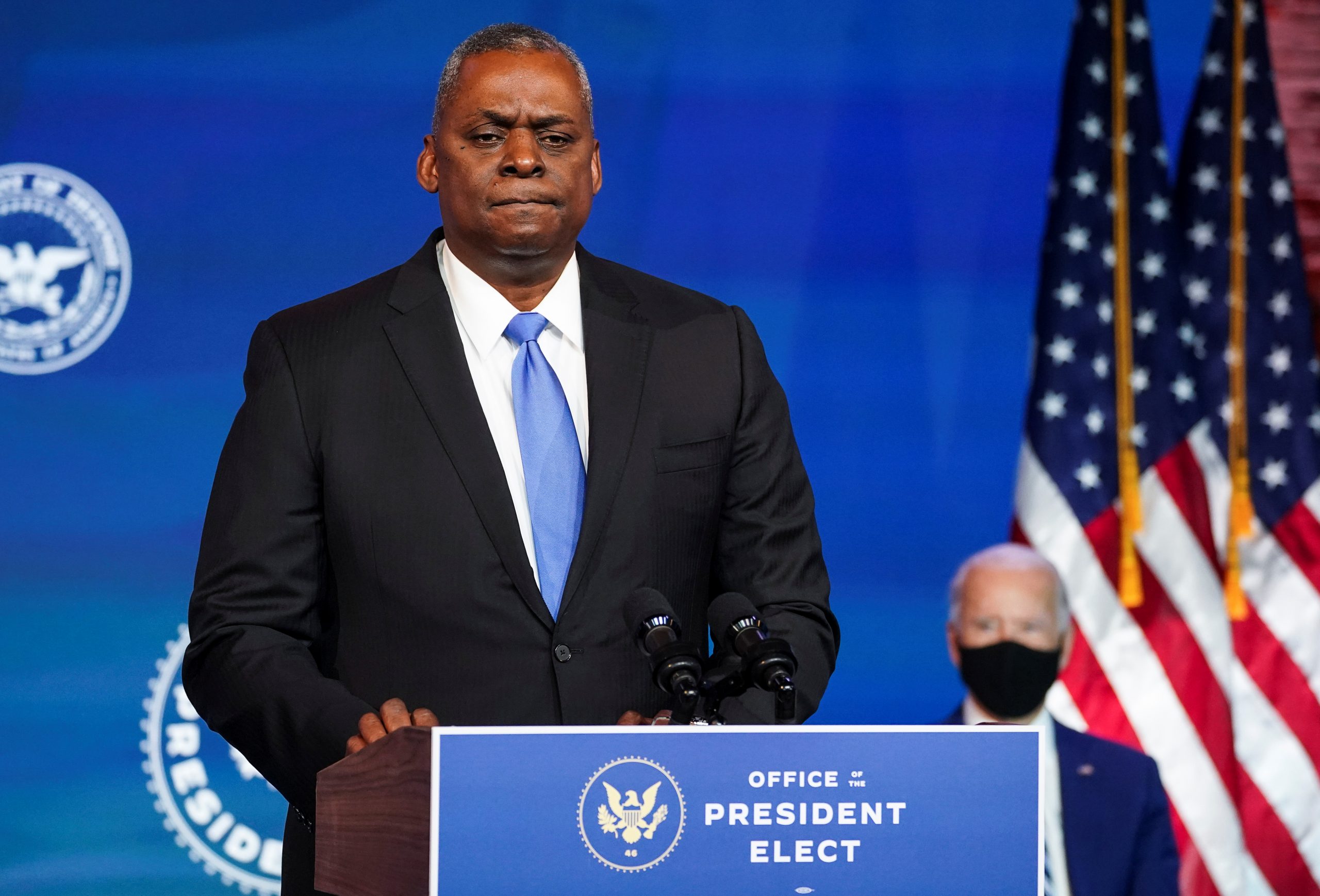
President-elect Joe Biden said it was the “right moment” in U.S. history for his nominee for defense secretary, retired Army General Lloyd Austin, despite some concerns about the recently out-of-uniform soldier taking on the civilian role.
The choice of Austin, who if confirmed would be the first Black U.S. secretary of defense, requires both houses of Congress to waive a law requiring the military’s top brass to have been out of the armed forces for at least seven years before running the Pentagon. Austin, 67, retired in 2016.
In announcing his pick in Wilmington, Delaware, Biden called Austin “the right person for this job at the right moment.”
“I would not be asking for this exception if I did not believe this moment in our history didn’t call for it – does call for it – and if I didn’t have the faith I have in Lloyd Austin,” the Democrat said.
Biden has pledged to name a Cabinet that reflects America’s diversity and his nominees so far have included several firsts, including Janet Yellen, who would be the nation’s first woman Treasury secretary, and Alejandro Mayorkas, who would be the first immigrant to run the Department of Homeland Security.
At least two Democratic U.S. senators say they would oppose giving Austin a waiver, which was last issued for President Donald Trump’s first defense secretary, retired Marine General Jim Mattis.
The Democratic chairman of the House of Representatives Armed Services Committee, Adam Smith, said while he had concerns about issuing another waiver, he did not reject Biden’s choice.
Austin should meet with members of the House committee “so they can ask questions about civilian control of the military, and … be assured that General Austin is committed to this important principle,” Smith said in a statement late on Tuesday.
Austin has built a reputation as an intensely private man who avoided the spotlight during a distinguished four-decade career in uniform, including a stint as head of the military’s Central Command, which oversees U.S. troops across the Middle East.