



Under Biden Order, Workers Refusing Unsafe Work Could Stay on Unemployment Aid
Many workers called back by employers resuming or expanding operations despite the ongoing coronavirus pandemic face a dilemma: return to jobs that put them at high risk of the virus, or say no, and risk going without…
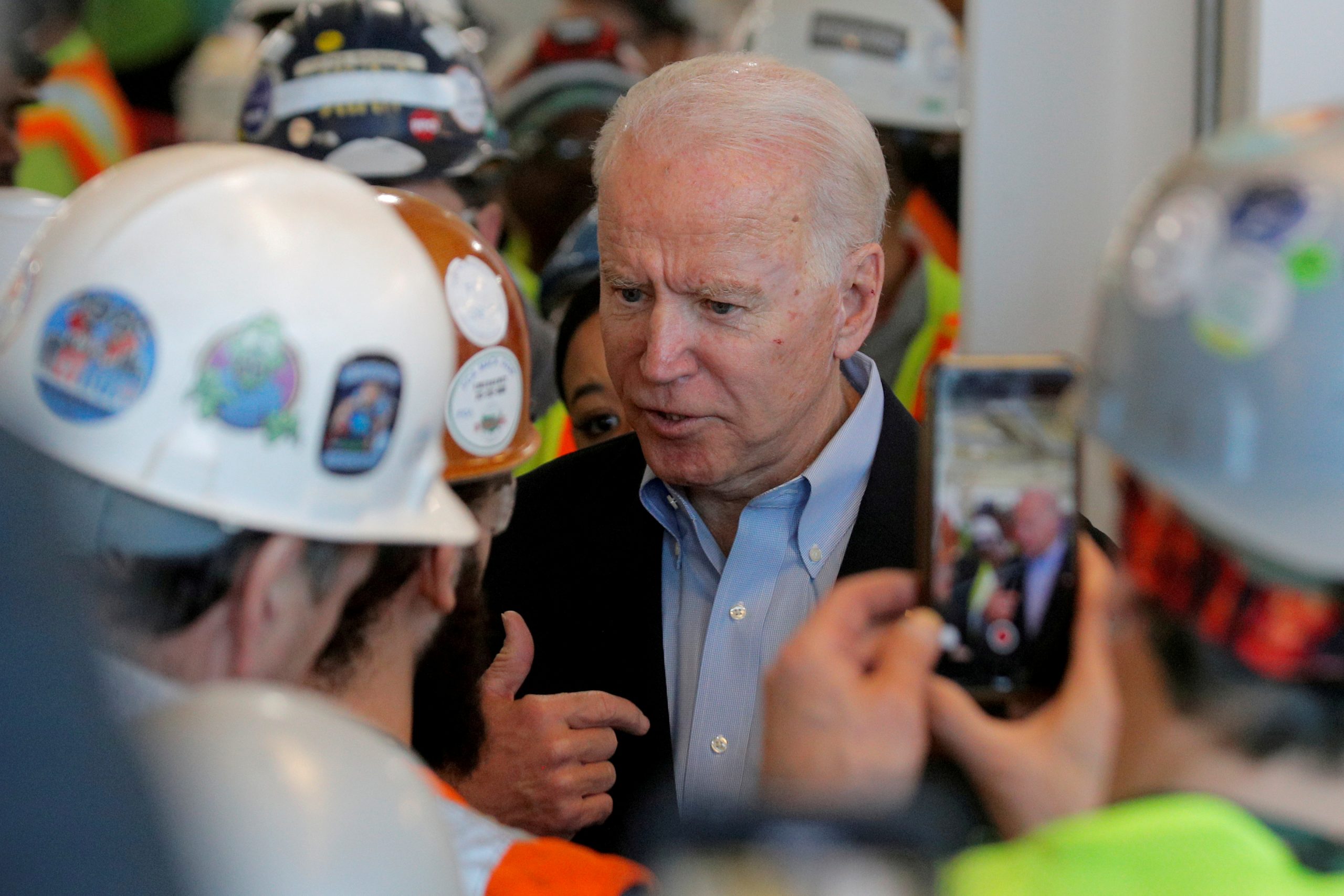
Many workers called back by employers resuming or expanding operations despite the ongoing coronavirus pandemic face a dilemma: return to jobs that put them at high risk of the virus, or say no, and risk going without pay or unemployment benefits.
President Joe Biden argues workers should not have to make that choice.
An executive order signed on his second full day in office could make it easier for people to still qualify for jobless benefits if they quit or refuse a job that puts them at undue risk of infection from the coronavirus.
More than 18 million Americans are drawing some form of government unemployment assistance.
The order asks the U.S. Department of Labor to clarify that workers who refuse jobs due to unsafe working conditions can still receive unemployment insurance. A department spokesman told Reuters the agency is developing an Unemployment Insurance Program Letter – the usual mechanism for issuing guidelines or clarifying policies – in response to the order.
The Labor Department also issued new guidance on Friday with recommendations on how employers can protect workers from the virus, which has infected more than 25 million Americans and led to more than 433,500 U.S. deaths since the pandemic began.
“In a period where lots of people have lost jobs and people are desperate for work, people will go and end up working under dangerous conditions and they will do so believing they have no other alternative,” said Ken Jacobs, chair of the UC Berkeley Labor Center.
Assuring them they have the right to refuse unsafe work, and paying them enough to afford not to work, is “vitally important,” Jacobs said. “You want people in the greatest risk groups to stay home.”
SEEKING CLARITY
It’s not clear how many workers have lost unemployment benefits after refusing jobs because of COVID-19 safety concerns, said Andrew Stettner, a senior fellow at The Century Foundation and an expert on unemployment insurance. Still, the new guidance should establish minimum protections for workers, replacing an approach that can vary by state, he said.