



Big Bank Partnership Would Mean Higher Fees For You
A fight may be taking shape between some of the nation’s largest banks, federal regulators and major retailers. If it escalates, consumers could end up paying at least part of the price. The Wall Street Journal reported Monday that several large banks are studying a possible way around federal limits on debit-card fees. Their interest […]
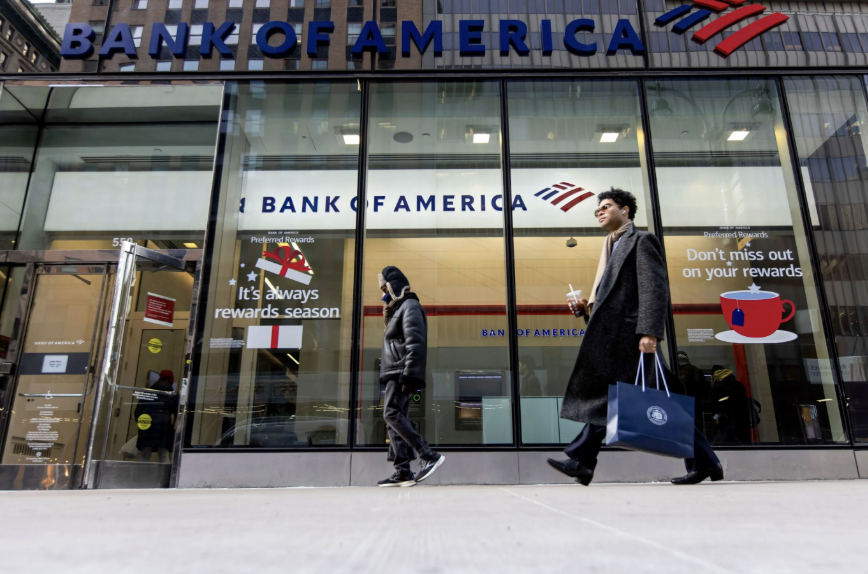
A fight may be taking shape between some of the nation’s largest banks, federal regulators and major retailers. If it escalates, consumers could end up paying at least part of the price.
The Wall Street Journal reported Monday that several large banks are studying a possible way around federal limits on debit-card fees. Their interest appears to have been sparked by Capital One Financial’s $50.6 billion acquisition of Discover Financial in 2025.
The deal gave Capital One something most banks do not have: control of its own payment network.
To understand why that matters, consider what happens when a customer uses a debit card at a store such as Walmart. Several parties are involved in the transaction. The retailer accepts the payment, the customer’s bank issues the card and confirms that the account contains enough money, and a payment network carries the information needed to approve the purchase.
Visa and Mastercard are the two networks most consumers are likely to recognize. They do not typically lend the customer money or hold the funds involved in the purchase. Instead, they provide the system that allows the merchant and the bank to communicate.
Once the transaction is approved, the retailer receives most of the purchase amount. A small portion, however, is divided between the bank and the payment network. The bank usually receives the larger share because it issued the card and maintains the customer’s account.
That charge is commonly known as an interchange fee. From the retailer’s perspective, it is part of the cost of accepting debit-card payments.
Banks benefit greatly from those fees because millions of debit-card transactions take place every day. Retailers, on the other hand, have long argued that the charges are too high and ultimately raise the cost of doing business.
Congress attempted to limit those costs in 2010 by passing the Durbin Amendment as part of the Dodd-Frank Wall Street Reform and Consumer Protection Act. The measure placed restrictions on the interchange fees that certain large banks could collect from debit-card transactions.
The Wall Street Journal now reports that Capital One’s ownership of the Discover network may expose a gap in those restrictions.