


Hope in Illinois is sort of like one of those trick birthday candles: just when you think itās been extinguished, it sparks and comes alive again and again.
That was certainly the feeling as the Illinois General Assembly finished with the fiscal year 2025 budget. Hope. Dead. Hope. Dead. Hope. Dead.
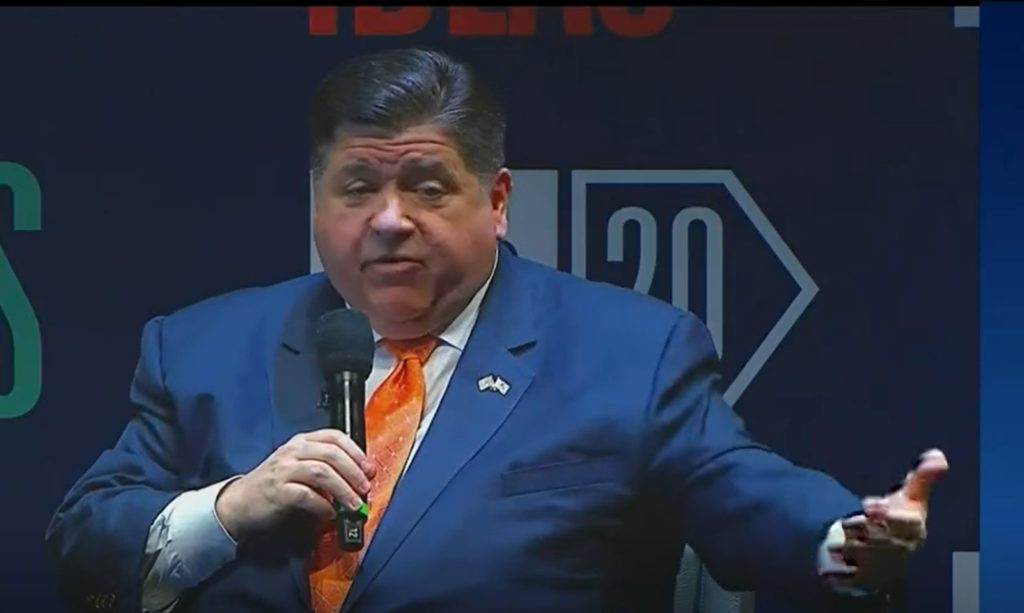
Gov. J.B. Pritzker in February proposed a record $52.7 billion state budget, but could only hit the record by addingĀ $898 millionĀ in new taxes. The most damaging part of this was his idea to take $93 million from Illinoisans by reneging on the inflation adjustment to the standard state income tax deduction.
That died, but state lawmakers managed to keep most of his other tax hikes and added $200 million more of their own. Plus, they took the budget of this Olympic-caliber record spender and bested it, increasing it by $400 million. Final damage:Ā $53.1 billionĀ in spending, $1.1 billion in new taxes.
Tax and spend. Pritzkerās done a lot of both since he was elected.
The state budget is nearly $15 billion bigger since he took office. That means Illinoisans are being taxed $15 billion more. Pritzker implementedĀ 24 taxĀ and fee hikes soon after taking office and added more in subsequent years, including the $1.1 billion in tax increases hitting after July 1.
Gasoline taxes doubled and got an annual inflation boost, relieving state lawmakers from ever having to take a future public vote on them. Pre-Pritzker the state gas tax was 19 cents per gallon, but on July 1 it hitsĀ 47 cents.
Smokers pay $1 a pack more. Marijuana users pay $500 million more.
Drivers payĀ $1.9 billionĀ more to register, sell or park a vehicle. Illinoisā base vehicle registration cost became the nationās highest when the governor boosted it by $50.
As poorly as government leaders have treated taxpayers, they have gone on to impose moreĀ hits with other local taxes to the point that Illinoisans now shoulder the nationāsĀ highestĀ state and local tax burden, taking 16.5% of the median income, or $12,479 a year. Pre-Pritzker that household was paying less than 15%, orĀ $8,330. That is $4,149 more during the Pritzker era.
Property taxes on a median home are nearlyĀ $1,500 higherĀ since Pritzkerās election, and while local governments get those taxes, their actual receipts depend on how much the state passes on to finance schools and other local government functions.
It could have been worse. Taxpayers in 2020 rejected Pritzkerās plan to take anotherĀ $3 billionĀ in state income taxes by taxing retirees and giving state lawmakers greater power to set tax rates on different groups.
Hope keeps sparking.
Even in the dim, wee hours of May 29 as state lawmakers were helping Pritzker set a new Illinois spending record, there was hope for taxpayers. It took three votes to pass the budget because some Democrats recognized it was just too much.
āThereās really only one place we can look at in getting these revenues, and thatās taxpayers,ā state Rep. Fred Crespo (D-Hoffman Estates) said. āAnd at this rate, ladies and gentlemen, weāre going to run out of taxpayer dollars to spend.ā
But then Pritzker comes along to put some big wind on the candle. He dismissed Democratic opposition and deprecated Republicans as constant complainers: āYou know, āOh, wait until you see what theyāre going to tax you on next.ā Well, theyāve been saying this for every year that Iāve been in office and it hasnāt been true.ā
Hope state lawmakers might be seeing the light. Squelched by billionaire Pritzkerās clueless misuse of Josephine Taxpayer. Sparked by possibilities inherent in the upcoming November elections?
We wish.
BradĀ WeisensteinĀ is the managing editor of the Illinois Policy Institute, a non-partisan think tank dedicated to protecting taxpayer interests.
The views and opinions expressed in this commentary are those of the author and do not reflect the official position of the Daily Caller News Foundation.
Featured Image Credit:Ā Screen Capture/CSPAN
All content created by the Daily Caller News Foundation, an independent and nonpartisan newswire service, is available without charge to any legitimate news publisher that can provide a large audience. All republished articles must include our logo, our reporterās byline and their DCNF affiliation. For any questions about our guidelines or partnering with us, please contactĀ [email protected].