




California To Ban Sale of New Gasoline-Powered Passenger Vehicles Starting 2035
California plans to ban the sale of new gasoline powered passenger cars and trucks starting in 2035 as the top U.S. auto market shifts to electric vehicles to reduce climate-warming emissions, Governor Gavin Newsom said…
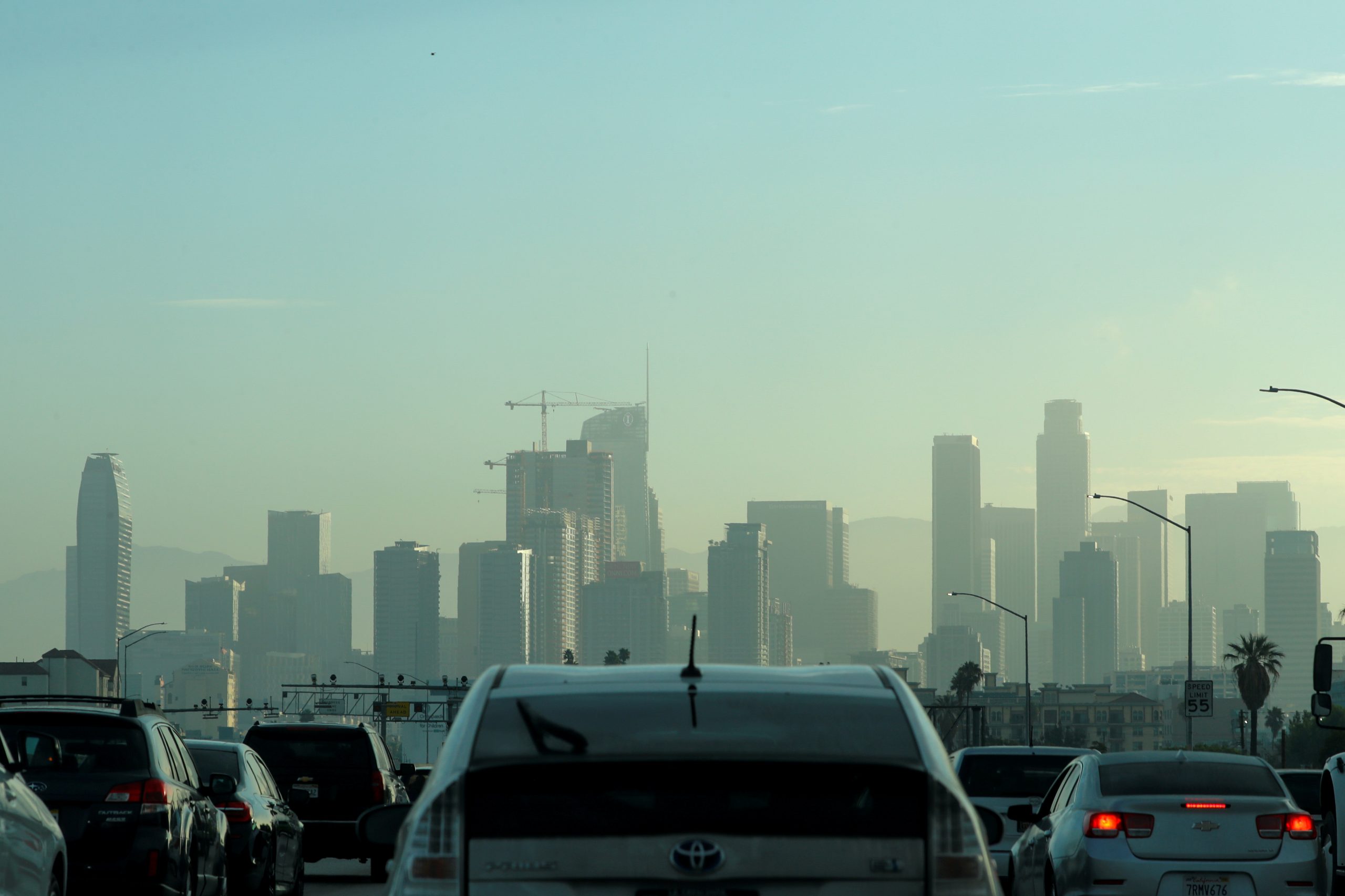
California plans to ban the sale of new gasoline powered passenger cars and trucks starting in 2035 as the top U.S. auto market shifts to electric vehicles to reduce climate-warming emissions, Governor Gavin Newsom said on Wednesday.
The move is the most significant yet by a U.S. state aimed at ending the use of fossil fuel-burning internal combustion engines, and clashes with the pro-fossil fuel policies of the Trump White House.
Newsom declared earlier this month he would step up the state’s already aggressive efforts to combat climate change amid a record wildfire season.
“We are marking a new course,” Newsom said at a news conference in Sacramento while standing in front of electric cars produced by automakers that support California’s efforts to reduce vehicle emissions.
Newsom signed his executive order on the hood of a prototype red electric Ford Mustang Mach-E.
The state is committing to a “firm goal” to phase out the sale of new gasoline-powered vehicles by 2035 and was encouraging other states to take similar action, Newsom said. California has a broader goal of reducing greenhouse gas emissions by 80% from 1990 levels by 2050, but in recent years transportation sector emissions have increased.
The California Air Resources Board (CARB) will turn Newsom’s goal into a legally binding requirement by writing regulations to mandate that 100% of in-state sales of new passenger cars and trucks are zero-emission by 2035. The board also plans to mandate by 2045 that all operations of medium- and heavy-duty vehicles be zero-emission where feasible.
California accounts for about 11% of all U.S. vehicle sales, and many states choose to adopt its green vehicle mandates.
Newsom characterized the move as an economic opportunity that would create jobs and boost U.S. auto manufacturers.