




CAROL PLATT LIEBAU AND FRANK RICCI: Chevron Capsized By The Fishing Industry, Protects All Americans
The U.S. Supreme Court has made all of us a little freer by limiting the power of the executive branch — curbing administrative overreach by the vast number of government agencies that impact the lives of millions of…
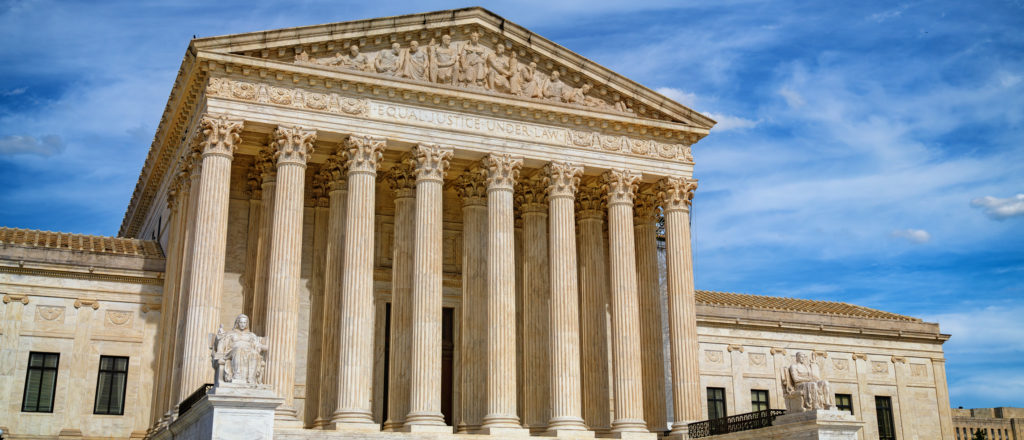

The U.S. Supreme Court has made all of us a little freer by limiting the power of the executive branch — curbing administrative overreach by the vast number of government agencies that impact the lives of millions of Americans.
In a landmark decision in Loper Bright vs. Raimondo, the court overruled its 1984 decision in Chevron vs. Natural Resources Defense Council. The decision had established a doctrine known as Chevron deference — that required courts to defer to federal agencies’ interpretations of any ambiguities in federal statutes.
The misguided rationale underpinning Chevron deference was that agencies, staffed with experts in various fields, were better suited than judges to interpret and implement complex regulations. But over time, the power of unelected, unaccountable bureaucrats metastasized — as exemplified in the Loper Bright case, which brought Chevron crashing down.
Fishing is a difficult, low-margin business. Although federal fishing laws said nothing about it, agency bureaucrats decided on their own to charge small fishing companies for regulatory oversight of their vessels. These costs were estimated to be “up to $710 per day, reducing annual returns to the vessel owner by up to 20 percent,” Chief Justice John Roberts wrote in the court’s opinion.
It is worth noting that in recent years, such regulations have been implemented with some regularity. The administrative state, made up of “alphabet” agencies like the Environmental Protection Agency (EPA), the Food and Drug Administration (FDA), and the Securities and Exchange Commission (SEC), has massed significant power. Although these agencies were initially established to develop and enforce regulations in highly specialized areas, they now operate as a de facto fourth branch of government.
In fact, they combine the functions of the three branches delineated in the Constitution. The agencies have had the power to write regulations (like the legislative branch); enforce them (like the executive branch); and interpret them (like the judicial branch). But unlike those in the other, constitutional branches of government, these bureaucrats are not subject to the democratic process. They are unelected and unaccountable.