



China Virus Cases Surpass SARS as Big Economic Hit Looms
Infection from China’s coronavirus spread to more than 8,100 people globally on Thursday, surpassing the total from the 2002-2003 SARS epidemic in a fast-spreading health crisis forecast to deal a heavy blow to the…
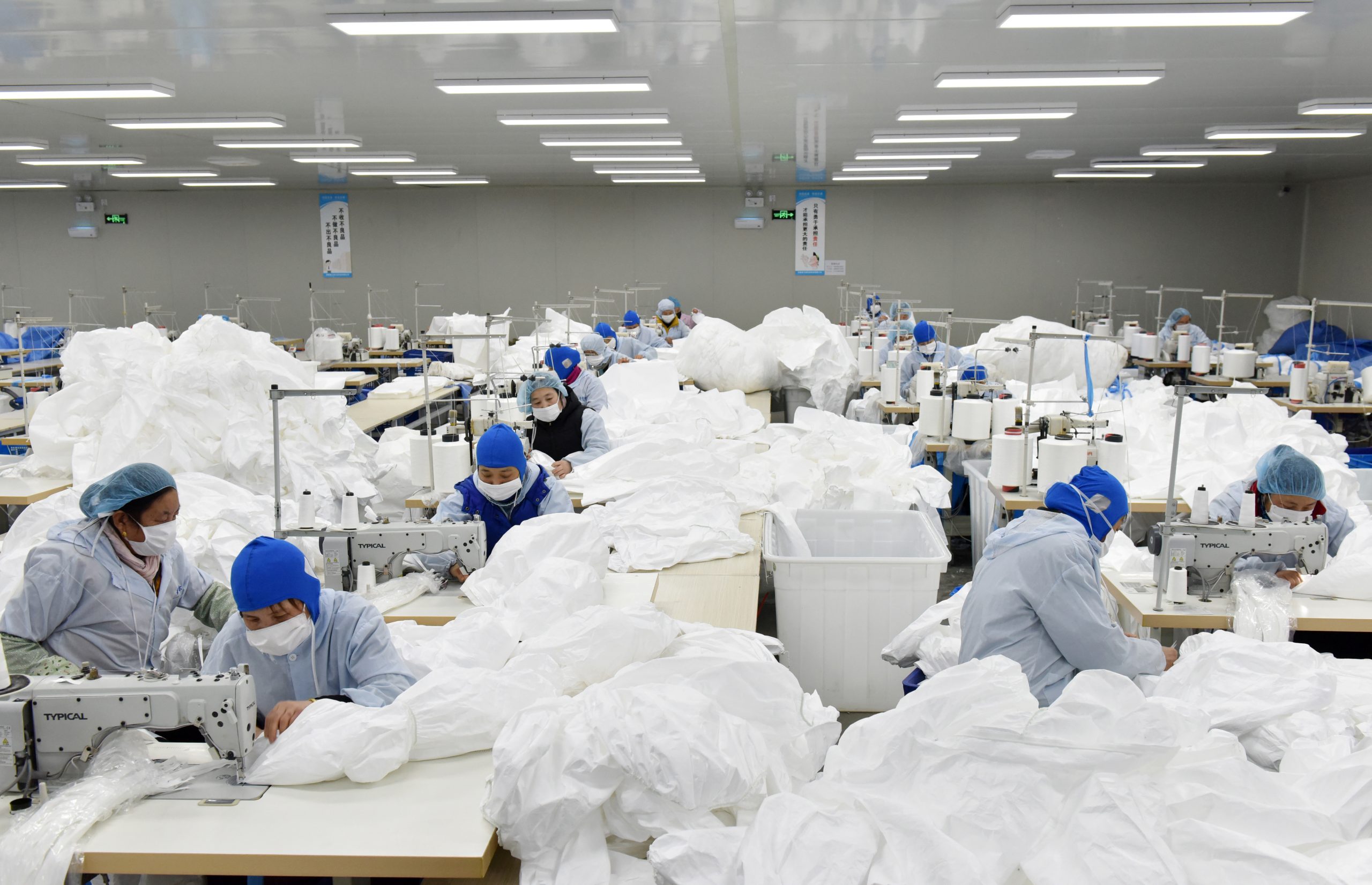
Infection from China’s coronavirus spread to more than 8,100 people globally on Thursday, surpassing the total from the 2002-2003 SARS epidemic in a fast-spreading health crisis forecast to deal a heavy blow to the world’s second-largest economy.
The vast majority of infections are in China where the virus originated in an illegal wildlife market in the city of Wuhan and has also claimed 170 lives, latest official data showed.
More than 100 cases have emerged in other countries, from Japan to the United States.
The World Health Organization (WHO), which has so far held off declaring the flu-like coronavirus a global emergency, began another meeting in Geneva to reconsider.
Such a declaration would trigger tighter containment and information-sharing guidelines, but may disappoint Beijing, which had expressed confidence in defeating the “devil” virus.
It could also further spook markets, already shuddering at the ripple effects of damage to China’s economy.
“The fear is that they (the WHO) might raise the alarm bells … so people are taking money off the table,” said Chris Weston, head of research at Melbourne brokerage Pepperstone.
The Severe Acute Respiratory Syndrome also came from China, killing about 800 people and costing the global economy an estimated $33 billion, or 0.1% of world GDP, in 2003.
Economists fear the impact on global growth could be bigger this time as China now accounts for a larger share of the world economy. One Chinese economist has forecast the crisis would lop a percentage point off China’s first-quarter growth.
Global stocks tumbled on Thursday, while the yuan hit its lowest this year, oil prices slid again and safe haven assets like gold gained.
The main stock index in Taiwan, 40% of whose exports go to neighboring China, closed down 5.75% on the first day of trade after the Lunar New Year holiday.