



Biden CIA Nominee Burns Calls China an ‘Authoritarian Adversary’
U.S. President Joe Biden’s nominee to be director of the CIA, William Burns, told a Senate committee on Wednesday that he saw competition with China – and countering its “adversarial, predatory” leadership – as the key…
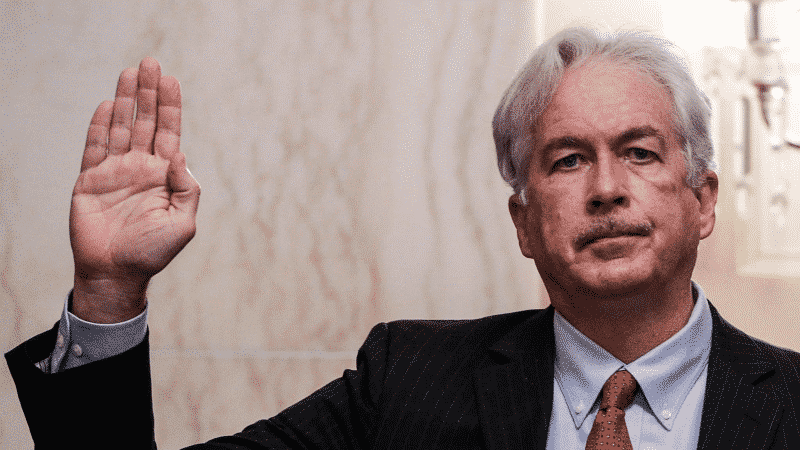
U.S. President Joe Biden’s nominee to be director of the CIA, William Burns, told a Senate committee on Wednesday that he saw competition with China – and countering its “adversarial, predatory” leadership – as the key to U.S. national security.
Burns, 64, a former career diplomat who worked in both Democratic and Republican administrations, is expected to easily win confirmation to be director of the Central Intelligence Agency. Burns has already been confirmed by the Senate five times for his stints as ambassador to Jordan and Russia and three senior positions at the State Department.
Testifying to the Senate Intelligence Committee, Burns outlined his four top priorities – “people, partnerships, China and technology” – if he is confirmed to head the agency, according to a U.S. official familiar with the issue.
“Out-competing China will be key to our national security in the days ahead,” Burns said at his confirmation hearing.
He called China “a formidable, authoritarian adversary,” that is strengthening its ability to steal intellectual property, repress its people, expand its reach and build influence within the United States.
Burns was introduced at the hearing by bipartisan foreign policy heavyweights – former Secretary of State James Baker and former CIA director Leon Panetta.
Competition with China is a top priority for the Biden administration – and for members of Congress, who want a tough line toward Beijing. Russian aggression is a constant concern, especially its involvement in U.S. elections and the recent SolarWinds hack that penetrated government agencies and that U.S. officials have blamed on Russian hackers.
Burns said “familiar” threats persist, including from Russia, North Korea and Iran. He also said climate change, global health issues and cyber threats pose great risks, and said “an adversarial, predatory Chinese leadership poses our biggest geopolitical test.”