



CIA, NSA Chiefs Opposed Release of Unverified Russia Intelligence To Republican Lawmaker: Sources
The CIA and National Security Agency directors opposed U.S. spy chief John Ratcliffe’s decision to declassify and send to a top Republican lawmaker unverified Russian intelligence that may have been fabricated…
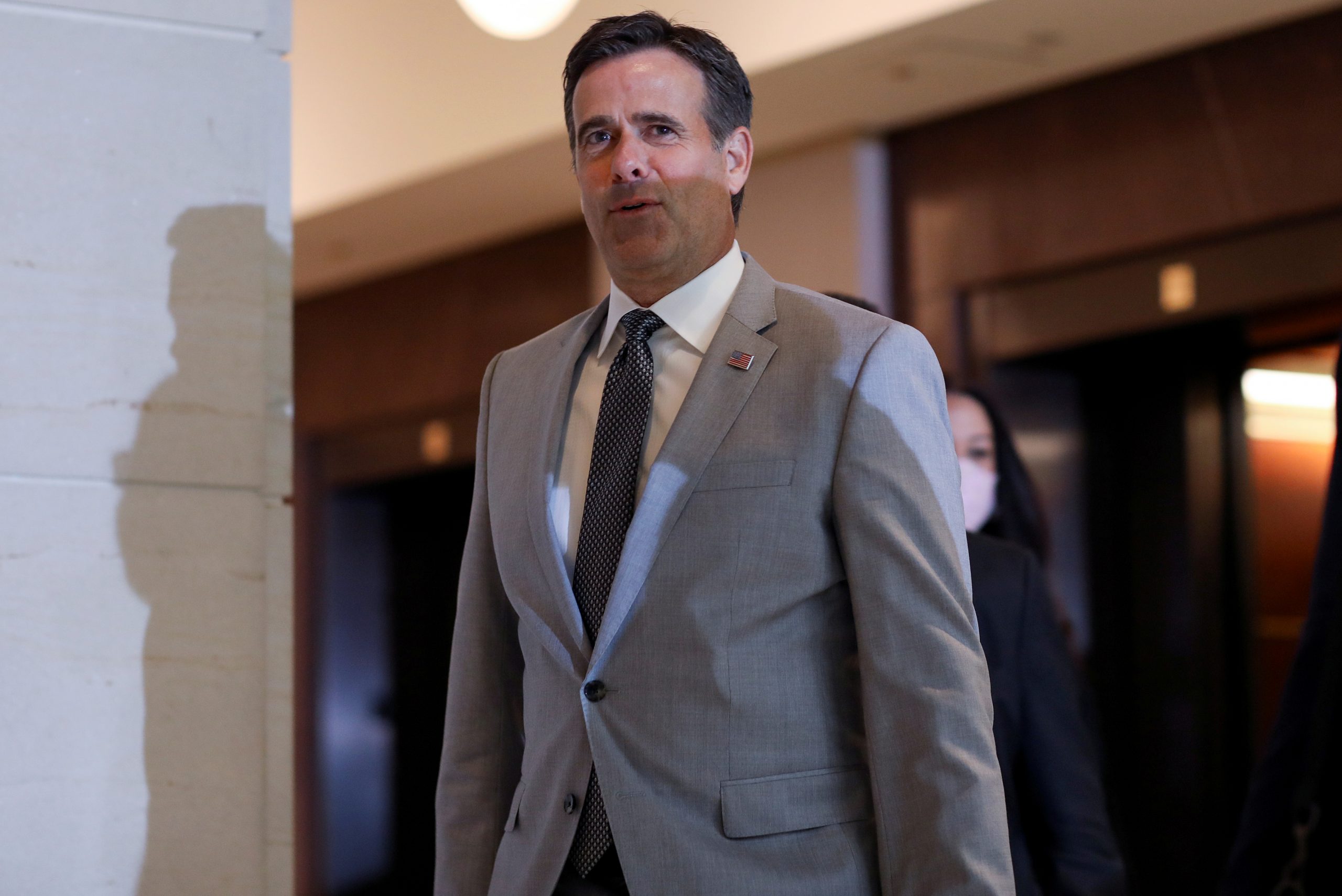
The CIA and National Security Agency directors opposed U.S. spy chief John Ratcliffe’s decision to declassify and send to a top Republican lawmaker unverified Russian intelligence that may have been fabricated, according to current and former U.S. officials.
The disclosure that CIA Director Gina Haspel and NSA Director Paul Nakasone opposed the material’s release comes after Democrats and former U.S. intelligence officials alleged Ratcliffe made it public for the political purpose of helping President Donald Trump as he pursues a tough re-election fight.
Three U.S. officials and a former U.S. intelligence official said Haspel resisted the material’s release, with two saying she worried that its disclosure could reveal the methods by which it was obtained.
Nakasone, whose agency intercepts worldwide communications, also opposed the materials’ release to Senator Lindsey Graham, said two sources, one of whom acknowledged that the Army general had the same concern as Haspel.
Moreover, a U.S. official said, the material Ratcliffe supplied to Graham in a letter the Senate Judiciary Committee chairman released on Tuesday was “selective” and misrepresented intelligence reporting.
The sources requested anonymity because of the issue’s sensitivity.
The CIA and the NSA declined to respond to requests for comment. “We won’t comment on internal IC (intelligence community) deliberations,” said a Ratcliffe spokeswoman, who did not respond to charges the intelligence was politicized.
In his letter, Ratcliffe said a Russian intelligence analysis alleged that Hillary Clinton, the 2016 Democratic presidential candidate, approved a plan to create “a scandal” by tying Trump to Russian President Vladimir Putin and the Russian hacking of Democratic National Committee computers.
Ratcliffe, a former Texas congressman who the Senate narrowly confirmed in May as director of national intelligence, provided the material despite noting that it was unverified by U.S. intelligence agencies and “may reflect exaggeration or fabrication.”