




City Halts Electric Bus Program After Second Packed Transport Bursts Into Flames
In every bureaucratic state of a left-leaning flavor, whether it be at a national or regional level, there’s invariably an incredible rush to electrify public vehicle fleets. In the United States, the Post Office has…
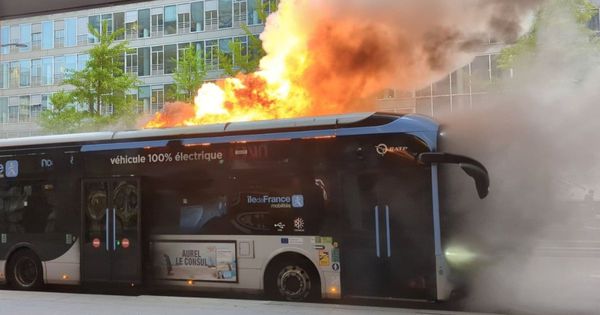
In every bureaucratic state of a left-leaning flavor, whether it be at a national or regional level, there’s invariably an incredible rush to electrify public vehicle fleets.
In the United States, the Post Office has ordered over 10,000 electric delivery vehicles as part of its fleet replacement program. In the United Kingdom, the government gave a $246 million boost (£200 million) to reach a target of 4,000 electric buses in the country and, according to a March 2022 announcement on a government website, “comes as consultation launched on ending sale of all new non-zero emission buses from 2025 to 2032.”
(Here at The Western Journal, we’ve pointed out what the mainstream media won’t: EVs don’t make the grade in any of these departments, no matter what they say. We’ll continue to bring America these inconvenient truths — and you can help us by subscribing.)
Mind you, electric vehicles have come a long way from the days of the GM EV1 and other earlier experiments in carbon-free transportation. However, the concerns around fleet electrification don’t just involve the rapidity with which governments are pursuing programs which don’t make environmental, economic or practical sense.
Instead, it’s that a rushed electrification program can have serious consequences if the vehicles aren’t ready for the rigors of the roles they’re expected to perform. In