



Congress Eyes Two-Track Approach to Biden’s $2.3T Infrastructure Pitch
Senate Republicans said on Thursday they would consider an infrastructure bill about one-third the size of U.S. President Joe Biden’s $2.3 trillion plan, which could prompt Democrats to pass the package in two phases…
Senate Republicans said on Thursday they would consider an infrastructure bill about one-third the size of U.S. President Joe Biden’s $2.3 trillion plan, which could prompt Democrats to pass the package in two phases, one bipartisan and one not.
The infrastructure proposal is Biden’s second major agenda item after an earlier COVID-19 relief bill, in which he aims to provide funds to improve the nation’s roads, bridges and ports, as well as addressing climate change and boosting human services such as elder care.
“To accommodate our Democratic friends in the White House, we’re willing to talk about a much larger infrastructure package than we’re used to,” Senator Roger Wicker, top Republican on the Senate Commerce Committee, told a Thursday news conference. “But it needs to be paid for, it needs to be reasonable and it needs to stick to the – I would say – 30% of the president’s proposal that is actually infrastructure.”
Republicans have defined infrastructure more narrowly than Biden’s sweeping interpretation and have opposed Democrats’ plans to raise the corporate tax rate to as high as 28% from the 21% level Republicans cut it to four years ago.
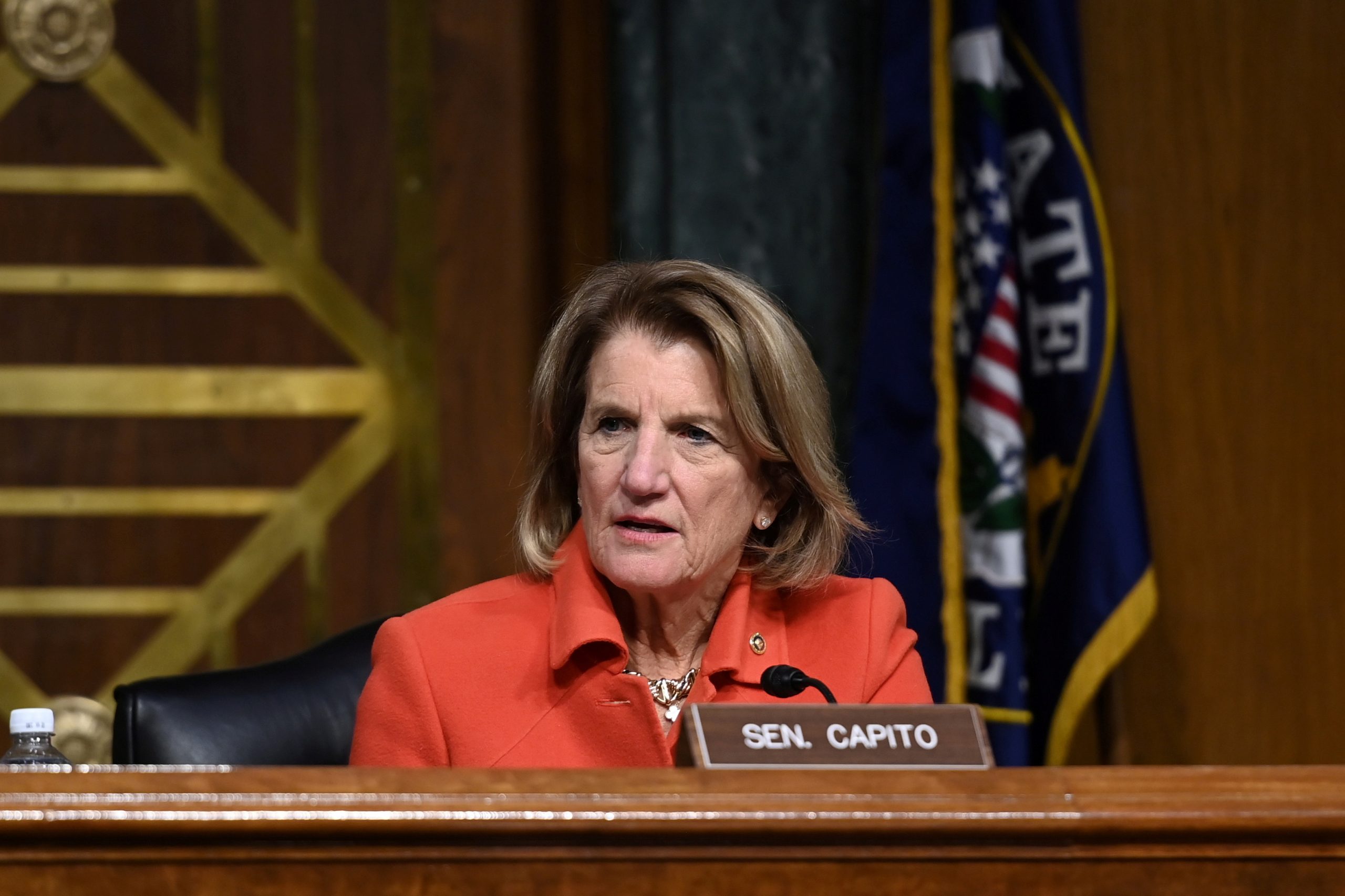
Thirty percent of Biden’s proposal would be just shy of $700 billion, and between the $600 billion to $800 billion range that Republican Senator Shelley Moore Capito described this week as a “sweet spot” that could garner bipartisan support.
Republican backing could be crucial for Democrats, who hold a narrow majority in the House and face an evenly divided Senate where their control rests upon Vice President Kamala Harris’ tie-breaking vote.
Capito and several other Republican lawmakers, including Senators Susan Collins and Mitt Romney, say they are in the very early stages of putting together their own legislation that would target traditional infrastructure areas, as well as broadband.
“I think what you’re going to see … is a conceptual Republican bill that we think addresses the core issues,” Capito said on Thursday.