



Coping With Campus Coronavirus: U.S. Fraternities, Sororities Give It the Old College Try
Sixteen gallons of hand sanitizer sat in the foyer of the Alpha Epsilon Phi sorority house at the University of Wisconsin as house mother Karen Mullis reconfigured tables in the dining room to maintain social…
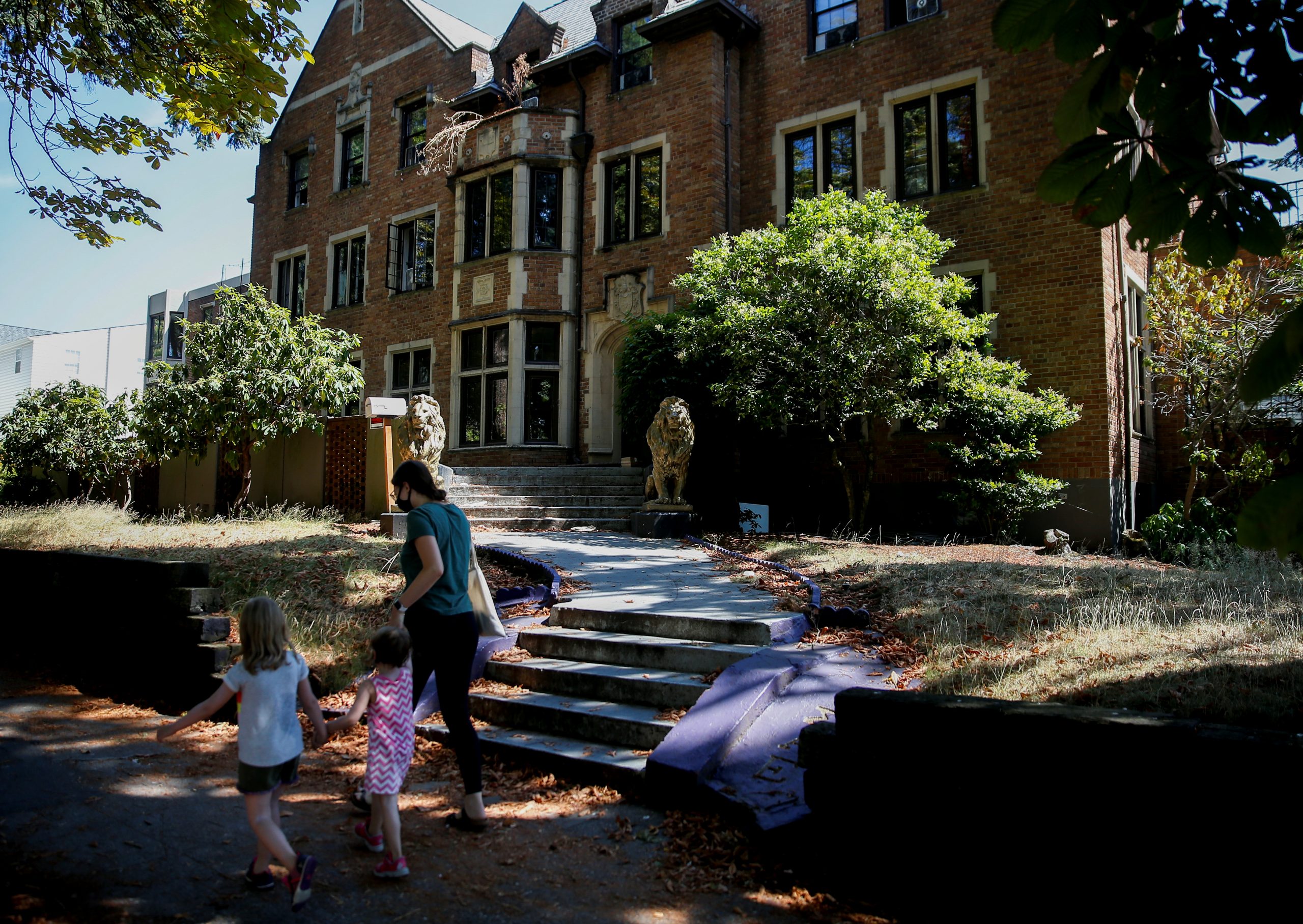
Sixteen gallons of hand sanitizer sat in the foyer of the Alpha Epsilon Phi sorority house at the University of Wisconsin as house mother Karen Mullis reconfigured tables in the dining room to maintain social distancing.
Upstairs, the sorority has moved beds 6 feet (2 metres) apart and rooms in the basement will be used to quarantine any house members who test positive for the novel coronavirus, which has killed over 163,000 people in the United States, the most in the world.
Masks are mandatory and house guests prohibited.
“We have all of these rules but it is dependent on these kids taking it seriously,” Mullis said. “If the girls are not responsible, then this is not going to work.”
Only 17 of 38 members plan to live at the sorority house near the Madison, Wisconsin campus this fall. The rest will stay home or live in an apartment, Mullis said.
The chapter is one of hundreds of fraternities and sororities grappling with how to persuade hundreds of thousands of young adults to follow safety protocols when in-person learning resumes at many universities in coming weeks.
Public health officials say the danger for students will come when an asymptomatic person transmits the virus to dozens of housemates, who then could carry it into classrooms. The virus could then spread to faculty, staff and the wider community.
“The greatest governing engine on a college campus is not the administration, the police. It’s student culture, it’s peer pressure,” said Judson Horras, president of the American Interfraternity Conference, which represents 59 fraternities.
For many of the more than 700,000 fraternity and sorority members in the United States, college social life revolves around their chapter houses, where they live, eat and study in close quarters with fellow members.
The houses, emblazoned with each organization’s Greek letters, are typically clustered in areas known as Greek row, which can be packed with students during raucous parties, after campus sporting events and in the week set aside for the recruitment of new chapter members.