



Coronavirus Makes Democratic Congressional Challengers’ Uphill Climb Steeper
Before she suspended in-person campaigning in March, Arati Kreibich was knocking on upwards of 1,000 doors every weekend in the northern New Jersey congressional district she hopes to wrest away from a moderate…
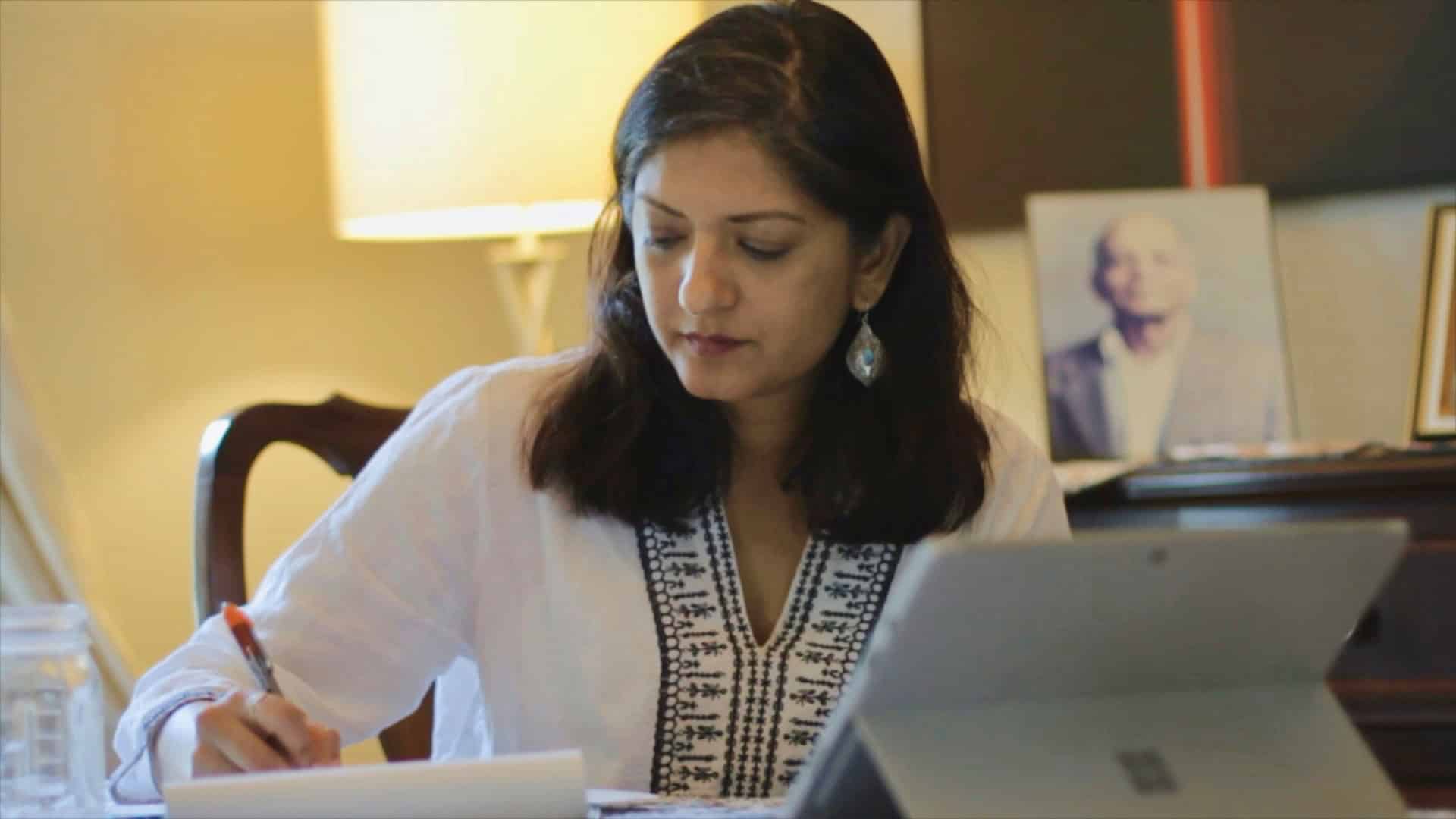
Before she suspended in-person campaigning in March, Arati Kreibich was knocking on upwards of 1,000 doors every weekend in the northern New Jersey congressional district she hopes to wrest away from a moderate Democratic incumbent.
Now, with the state locked down due to the pandemic, she spends her days telephoning voters and hosting virtual town halls from her house in Glen Rock, where she is a councilwoman.
“The core of my campaign has been grassroots energy,” said Kreibich, a neuroscientist challenging two-term Representative Josh Gottheimer for the Democratic nomination. “The jury is still out, but we’re still meeting people in a different way.”
Like other liberal challengers around the country aiming to replicate Democratic U.S. Representative Alexandria Ocasio-Cortez’s stunning 2018 victory in New York, Kreibich faces a dilemma: how to operate an insurgent campaign while trapped at home.
The coronavirus has eliminated the traditional campaign trail: no neighborhood canvassing, no meet-and-greets at the local diner or farmers’ market, no in-person town halls.
While all candidates, including presumptive Democratic presidential nominee Joe Biden, are struggling to adapt, the inability to connect with voters on the ground is particularly tough for challengers taking on established incumbents with high name recognition and hefty financial resources.
“We were canvassing in every nook and cranny of the district prior to the pandemic,” said Jamaal Bowman, a middle school principal in New York City and the leading challenger to Eliot Engel, a 16-term Democrat. “There’s nothing like having a conversation face to face with someone.”
The challengers have done their best to stay active.
Some have invested in new dialing systems and text messaging services to reach as many voters as possible. One silver lining: people under stay-at-home orders are more likely to pick up their phone.
Kreibich, whose campaign has made 65,000 calls and sent 40,000 texts since March, said she’s been surprised by how many meaningful conversations she’s had. Bowman said his campaign is making 10,000 calls a week.