



Coronavirus Drives up Demand – and Pay – for Temporary U.S. Nurses
U.S. hospitals, bracing for a surge of coronavirus patients just as some staff are under quarantine after being exposed to the virus, are facing a shortage of temporary nurses who can fill in – and being asked to pay as…
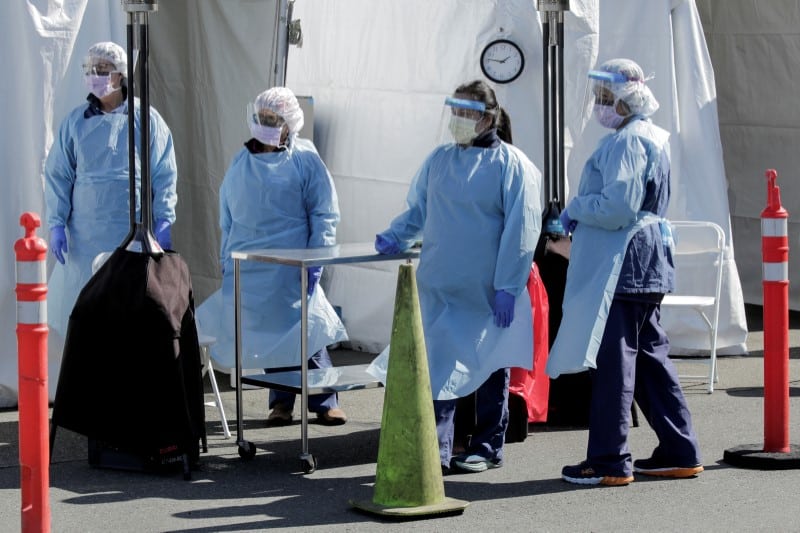
U.S. hospitals, bracing for a surge of coronavirus patients just as some staff are under quarantine after being exposed to the virus, are facing a shortage of temporary nurses who can fill in – and being asked to pay as much as double to make it worth it. So-called “travel nurses” total around 50,000 – or less than one percent of the nursing workforce – which represents an increase in recent years as the U.S. population ages, demand increases and workers seek more flexible employment options.
With the Coronavirus Outbreak escalating every day, the need for temporary nurses is growing exponentially throughout the United States.
But an “unprecedented number” are backing out of assignments because they do not want to travel in the midst of the crisis, said Alan Braynin, chief executive at staffing firm Aya Healthcare.
As staffing agencies have raised pay demands for temporary nurses still willing to accept assignments, some hospitals are leaning on their existing staff to help out – at least for now.
“A lot of hospitals have closed down other units, and scrambled staff to triage patients coming in for testing and for other purposes,” Braynin said.
Hospitals in New York and Connecticut are seeking to fill hundreds of temporary nursing positions, said Dan Weber, head of clinical innovation at staffing firm Trusted Health.
“Washington state has been in crisis for a while. We continue to see an uptick there in emergency room and now clinic jobs – they need people to staff things like phone trees and triage centers,” Weber said.
Some pay packages, which include a housing stipend, have more than doubled, with rates at the top of the market reaching $5,000 a week, although most are in the $3,000-$4,000 per week range, he said.
More than 18,000 people in the United States have tested positive for the coronavirus since early this year, upending daily life and prompting New York, Illinois and California to tell tens of millions of people to stay at home. The virus first appeared in China in December and has sickened more than 250,000 people around the globe.