



Costco Sues The Trump Administration Hoping To Get Tariff Refund
Costco has filed a lawsuit against the Trump administration, seeking a refund on tariffs it has already paid and asking the court to block any future collections while a major Supreme Court case is still pending. The…
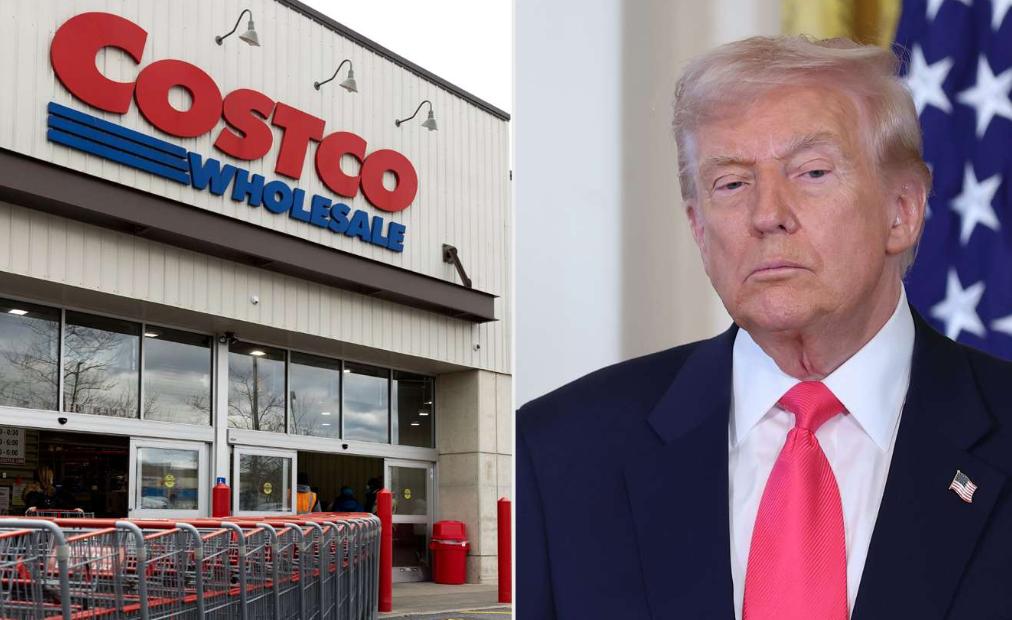
Costco has filed a lawsuit against the Trump administration, seeking a refund on tariffs it has already paid and asking the court to block any future collections while a major Supreme Court case is still pending. The legal action comes as the company faces a key December 15 deadline that could make those tariffs permanent unless a court intervenes.
The suit, filed Friday in the U.S. Court of International Trade, focuses on tariffs imposed by President Donald Trump using the International Emergency Economic Powers Act (IEEPA). These include the so-called “reciprocal tariffs” on products from U.S. trading partners, and the “fentanyl tariffs” aimed at imports from Canada, China, and Mexico.
Costco says it has already paid significant amounts under these tariffs but hasn’t been told exactly how much could be refunded if the Supreme Court rules in its favor. The company argues that unless the tariffs are halted and its refund rights protected, it could permanently lose access to those funds—even if the Court later decides the tariffs were unlawful.
According to the filing, U.S. Customs and Border Protection denied Costco’s request to delay the “liquidation” process—a final step that locks in the amount of duty assessed on imports. Once an import is liquidated, it becomes much harder to challenge the charges or request a refund, even if a court later finds the underlying law invalid.
Costco explained that while importers normally have six months to protest a liquidation, not all liquidations are legally challengeable. That means without this lawsuit, the company might have no path to recover any payments—even if the tariffs are thrown out later.
The company joins dozens of others who have filed similar cases. Many businesses are concerned that if the Supreme Court rules against the Trump administration, they’ll still be left with no way to reclaim what they paid unless they filed individual legal actions.
Back in August, the U.S. Court of Appeals for the Federal Circuit ruled 7-4 that the IEEPA did not give President Trump the power to impose tariffs on his own. The court emphasized that, under the Constitution, the authority to impose taxes and tariffs belongs solely to Congress. The Trump administration appealed that decision to the Supreme Court, which heard oral arguments on November 5.