



New York Governor Outlines Reopening Plan With Construction, Manufacturing First
New York Governor Andrew Cuomo on Monday outlined a phased reopening of business activity in the state hardest hit by the COVID-19 pandemic, starting with select industries like construction and the least affected…
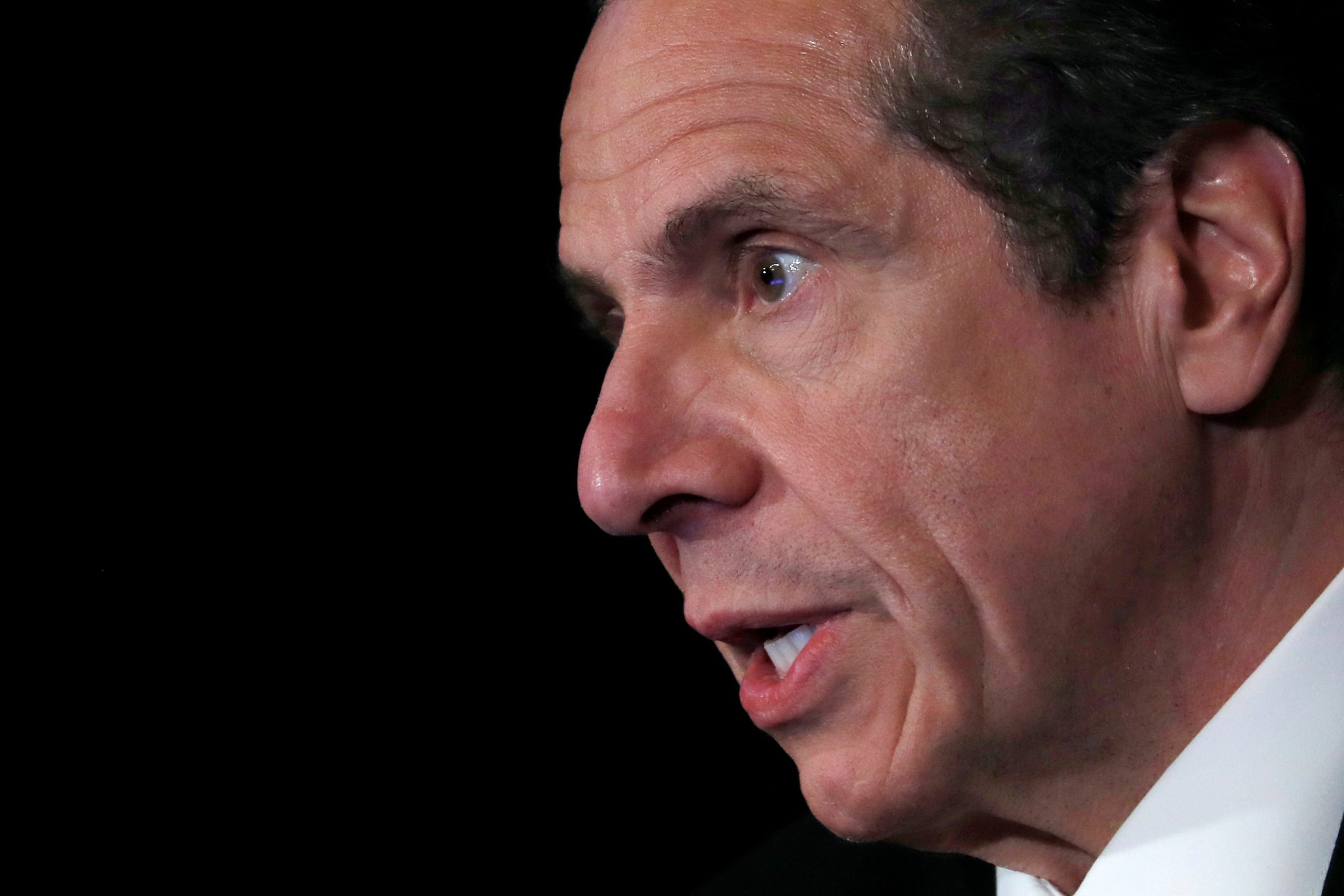
New York Governor Andrew Cuomo on Monday outlined a phased reopening of business activity in the state hardest hit by the COVID-19 pandemic, starting with select industries like construction and the least affected regions.
Cuomo did not give a timeline, but the state’s stay-at-home order is due to expire on May 15. The governor has previously said that the areas with fewer infections and enough spare hospital beds could consider reopening after that date.
While short on specifics, the outline disclosed by Cuomo at a daily briefing was the most detailed sketch so far on how the state – the epicenter of the crisis in the United States – would start to loosen restrictions on businesses and daily life.
Cuomo said he understood the feelings of protesters pushing for a faster reopening but also warned that moving too quickly could rekindle the virus, noting that the 1918 Spanish influenza pandemic was deadlier in its second wave.
“You can do it for a short period of time, but you can’t do it forever,” Cuomo said, referring to lockdown orders which have been in place since the middle of March. “But reopening is more difficult than the closedown.”
Cuomo said construction, manufacturing and select retail shops could open in a first phase of reopening, followed by a second phase that would include finance, administrative support and real estate and rental leasing industries.
Phase three will see restaurants and the food service and hotel industries reopen, Cuomo said, followed by arts, entertainment and recreation facilities as well as schools in the fourth and final phase.
Cuomo said regions of his state would be able to reopen once they meet thresholds on four main metrics: the rate of new infections, hospital capacity, diagnostic testing capacity and whether the region has enough disease investigators to trace contacts of an infected person. He also said hospitals would need to have 90 days worth of personal protective equipment in stock to avoid the shortages that have dogged them since March.