



DAVID BLACKMON: Shale Execs Complain Of ‘Broken’ Prospects In New Survey
In his remarks at this week’s U.N. Climate Week conference, President Donald Trump reminded the U.N. general assembly that “we have an expression, ‘drill, baby, drill.’ You know, that’s what we’re doing.” But according…
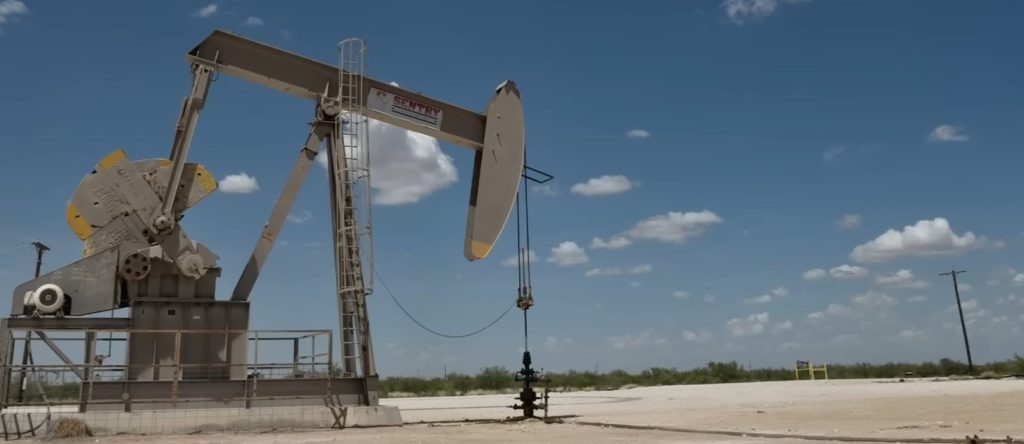

In his remarks at this week’s U.N. Climate Week conference, President Donald Trump reminded the U.N. general assembly that “we have an expression, ‘drill, baby, drill.’ You know, that’s what we’re doing.”
But according to almost 80% of the dozens of shale oil executives who responded to the third quarter survey of oil and gas companies by the Dallas branch of the Federal Reserve, that’s all about to come to an end thanks in large part to the President’s focus on cutting oil prices as a means of controlling inflation.
“The uncertainty from the administration’s policies has put a damper on all investment in the oilpatch,” one executive said. Another warns that “drilling is going to disappear.”
Executives at oilfield service companies aired similar concerns, pointing to recent layoff announcements as a symptom of the current market environment. “A vibrant oilfield services sector is critical if and when the U.S. needs to ramp up production,” one says, adding, “Right now we are bleeding.”
One upstream company executive was especially angry at the administration, writing that the business “has been gutted by political hostility and economic ignorance. The previous administration vilified the industry, buried it in regulation and cheered the flight of capital under the environmental, social and governance banner…Now the current administration is finishing the job.”
The confidential format of the Dallas Fed’s quarterly surveys encourages the executives to speak bluntly in their responses, and the airing of such grievances is often the result. Most would no doubt temper their language in a meeting with the President or his senior officials, and other respondents did just that, noting that their industry and companies have been buffeted this year by an array of factors, both domestically and internationally.
“There are a variety of issues affecting our business,” one respondent points out. “First, excess in the global oil market is restraining oil prices near term. Second, there is continued uncertainty from OPEC+ unwinding production cuts. Third, trade and tariff changes and the resulting geopolitical tensions.”