



DAVID BLACKMON: The Truth About Earth Day
When the first Earth Day was held on April 22, 1970, the founders — U.S. Senator Gaylord Nelson (D-WI) and activist Denis Hayes — said its purpose was to draw public attention to what was at the time “the deteriorating…
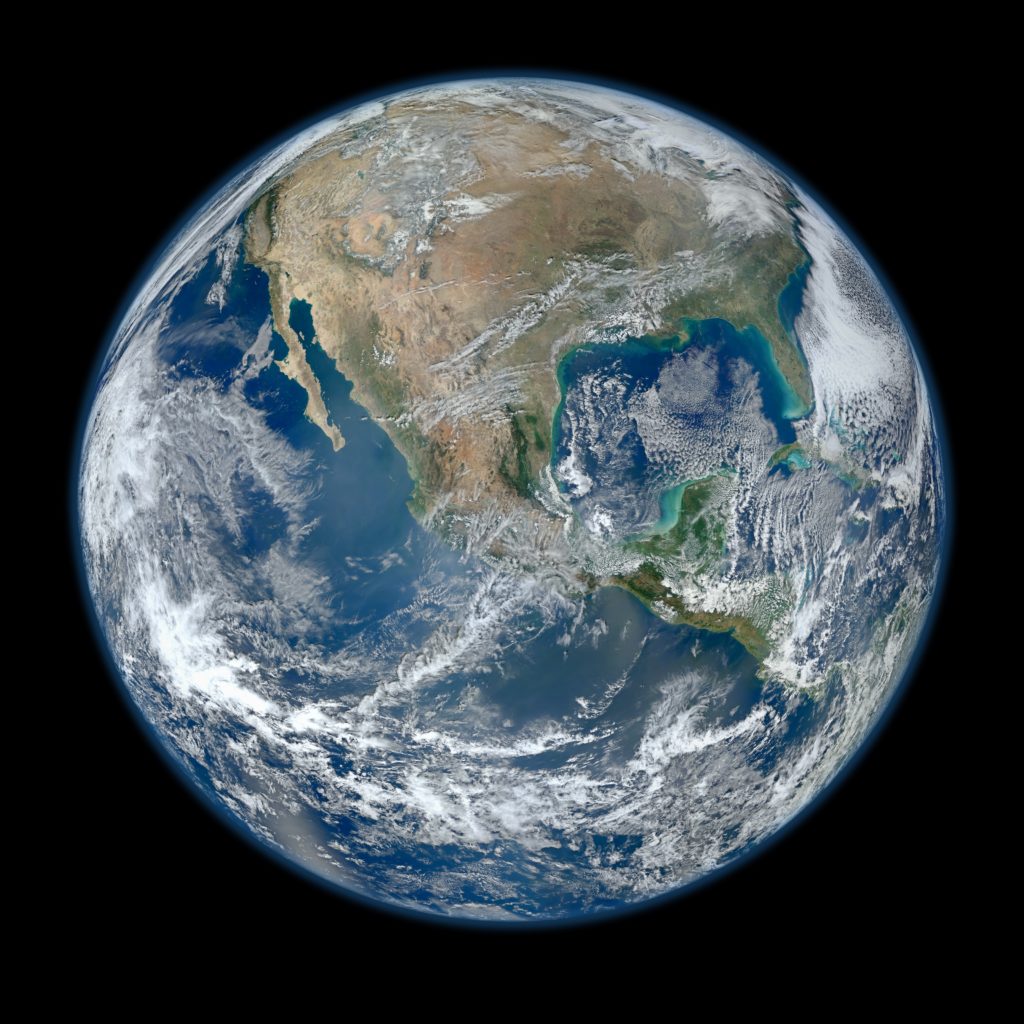

When the first Earth Day was held on April 22, 1970, the founders — U.S. Senator Gaylord Nelson (D-WI) and activist Denis Hayes — said its purpose was to draw public attention to what was at the time “the deteriorating environment in the United States,” according to Nelson.
To be fair, in making that assessment of America’s environmental situation 55 years ago, Nelson and Hayes weren’t wrong. Compared to today, the air and water were frankly filthy.
Cars at the time still ran on leaded gasoline and spewed massive amounts of particulate matter into the air each time they were driven.
The Cuyahoga River which runs through Cleveland was so filthy with pollution from oil refineries and raw sewage that it literally caught on fire in 1969, setting off a blaze that provided weeks of visuals on national network news programs.
In January of that same year, an oil platform offshore Santa Barbara, California caused a major oil spill, leaking and estimated 3 million gallons of oil into the Pacific Ocean that ultimately washed up on the adjacent beaches. At the time, it was the largest single oil spill in U.S. history.
Thanks to lax environmental regulations, air quality throughout the United States was poor, and was a horror show in many parts of the country, especially areas that were home to oil refineries, coal-fired power plants, and other heavy industrial plants.
In addition to those realities, forests were disappearing due to over-logging and an array of major animal species recognizable to most Americans — bald eagles, grizzly bears, grey wolves, and whooping cranes, among many others – had been massively depleted, to the point at which their survival as species had become endangered.