DAVID BLACKMON: Trump Brings Hard Times For The Climate Alarm Movement
An Aug. 18 New York Times story detailing hard times for the nation’s environmental groups in this second presidency of Donald Trump contains a clear lesson in the perils that come with basing an entire movement on…
An Aug. 18 New York Times story detailing hard times for the nation’s environmental groups in this second presidency of Donald Trump contains a clear lesson in the perils that come with basing an entire movement on crony capitalist federal policies.
That lesson is this: What the government gives, it can also take away.
Headlined “Environmental Groups Face ‘Generational’ Setbacks Under Trump,” the story’s writers bemoan hardships now being faced by major environmental groups like the Sierra Club, the NRDC, Greenpeace and others, who have watched as the President and his team of disruptors have dismantled much of the Biden agenda in just eight months. Worse, they now face the horror of watching EPA Administrator Lee Zeldin go after the very foundation of climate alarm orthodoxy, the agency’s Obama-era 2010 endangerment finding on greenhouse gases.
One former Sierra Club president, Ramon Cruz, says the morale across the entire movement “is destroyed” as members have watched their IRA subsidy-fueled house of cards come tumbling down. Things have turned so sour at the Sierra Club that the group’s board of directors abruptly fired Executive Director Ben Jealous earlier in August after what was said to have been “an extensive evaluation of his conduct.” The move came after Jealous had taken the Club through several rounds of layoffs amid struggles to maintain money flows.
Much of the pain being felt by these alarmist groups today stems from the provisions contained in the One Big Beautiful Bill Act phasing out green energy subsidies.
Sponsored
Sponsored
DAVID BLACKMON: Trump Brings Hard Times For The Climate Alarm Movement — IJR
Ruthy Gourevitch, a policy director at the Climate and Community Institute, bemoans the movement’s new reality under Trump. “With one election and one bill, most of the signature climate work that organizations, advocates and movements have been working toward is largely undone,” he says, perhaps unwittingly saying the quiet part about the government-forced nature of his own movement out loud.
Someone really should inform these leaders of the modern environmental movement that they live in a constitutional republic which holds elections every four years. If your movement’s “signature work” is based almost entirely on a single massive power grab by a single federal agency and a single overreaching bill signed by a single-term president, then yes, a single election can undo it all fairly rapidly.
The pain is especially hard for groups who beefed up staff based on the promise of millions, even billions, of dollars coming in from all the grants that were shoved out the door at the EPA and Department of Energy in the final weeks of the Biden presidency. Faced with the effort by Zeldin to claw back $27 billion of such grants, Rewiring America cut 28% of its staff recently.
Those $27 billion in grants were handed out under an IRA-established Greenhouse Gas Reduction Fund, a huge pot of money the Competitive Enterprise Institute describes as “an EPA slush fund that requires the agency to create slush funds for nonprofits.” Now deprived of those funds, the climate alarm non-profits find themselves in a heap of unfunded trouble.
The question for these groups now becomes one of finding the best way to shift tactics. The Times quotes billionaire and former Democratic presidential contender Tom Steyer as writing on Facebook, “If we want to win, we need a fundamental recalibration. Climate can no longer be a separate cause. It must be the context for making people’s lives better. It has to feel like relief. Like opportunity.”
To do that, someone will need to inform residents of tiny towns like Taft, Texas, how those hundreds of giant windmills surrounding their city represent relief and opportunity.
That seems like a big lift, one that only seems larger without all those gold bars from the government to help pay for it all.
David Blackmon is an energy writer and consultant based in Texas. He spent 40 years in the oil and gas business, where he specialized in public policy and communications.
The views and opinions expressed in this commentary are those of the author and do not reflect the official position of the 🏢Daily Caller News Foundation.
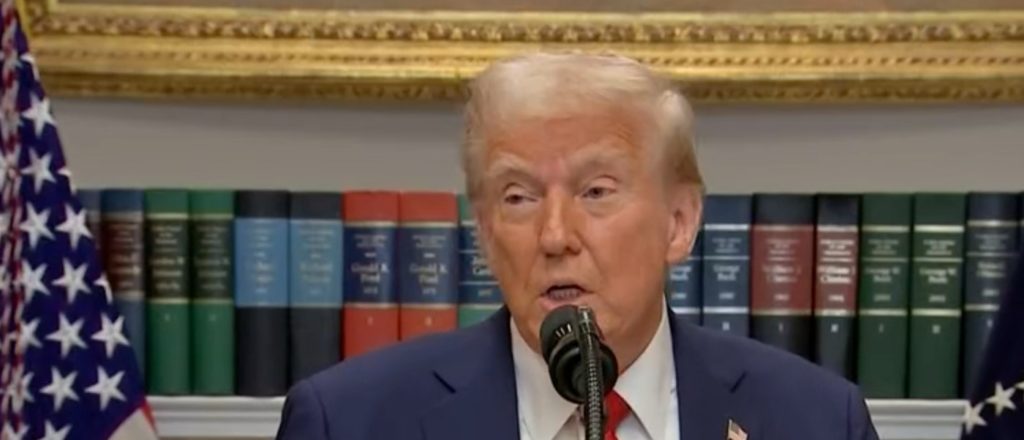
(Featured Image Media Credit: Screen Capture/CSPAN)
All content created by the 🏢Daily Caller News Foundation, an independent and nonpartisan newswire service, is available without charge to any legitimate news publisher that can provide a large audience. All republished articles must include our logo, our reporter’s byline and their DCNF affiliation. For any questions about our guidelines or partnering with us, please contact [email protected].