



DAVID BLACKMON: Trump’s New National Permitting ‘Sherpa’ Has A Big, Complex Job
By now it should be obvious to everyone that, if America is to have any hope of maintaining a stable power grid and a strong level of national energy security, the pace of permitting for major energy-related projects…
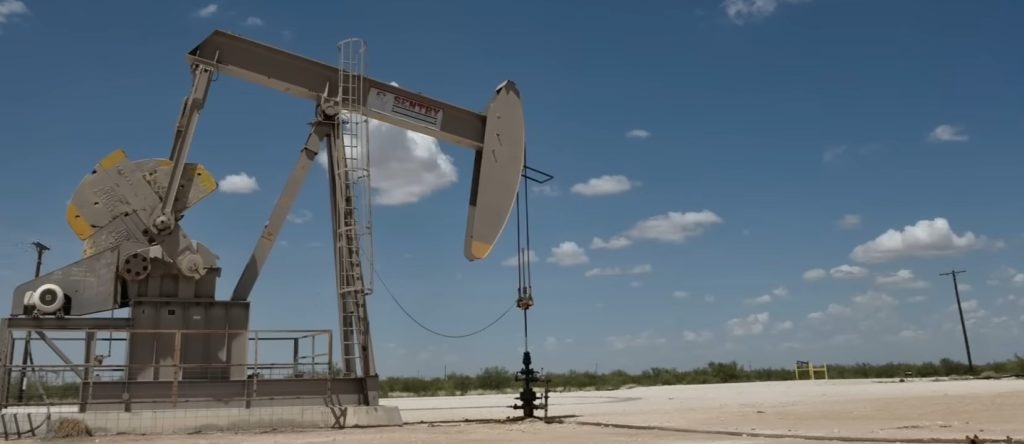

By now it should be obvious to everyone that, if America is to have any hope of maintaining a stable power grid and a strong level of national energy security, the pace of permitting for major energy-related projects must be dramatically accelerated. Fortunately, President Donald Trump and his cabinet officials recognize this national imperative and have moved quickly to begin to address it.
The fact that it takes so long to gain permit approvals for energy projects of all kinds is one of the main reasons why the U.S. has fallen so far behind China in this arena. Two years ago, I detailed the fact that it took 18 years for developers of a single high-voltage transmission system – the TransWest Transmission project – to secure all of the local, state, and federal permits required just to kick off construction. Building the 732-mile line which will carry electricity generated by wind energy projects in Wyoming to West Coast markets will take another 4 years, with the project scheduled to go live in 2027.
So, 18 years to permit, 4 years to build it. If that seems like an imbalance to you, you are not alone.
Permitting a new mining operation can take even longer, often as long as 20 years to complete. The same is true for major new nuclear facilities. Permitting for new, large oil refineries is so complex and difficult that no new greenfield refinery has been built in the U.S. in more than 40 years.
Obtaining drilling permits on federal lands in the Southeast New Mexico Permian Basin can take 4-5 times longer than getting a similar permit to drill a well on private lands in that state. Even in the Gulf of Mexico, where the federal government is the sole permitting authority, companies must spend 7-10 years waiting before they can commence operations.
This is obviously not a sustainable situation, especially with so many major new demand drivers coming online in our society in the form of AI datacenters, crypto-mining, electric vehicle charging, and others. Some of America’s regional power grids were already experiencing significant reliability issues before any of those additional power hogs came along.