



DAVID BLACKMON: Will GOP Infighting Hamstring Trump’s Energy Agenda?
The Republican Party has never been able to tolerate prosperity without finding ways to mess it all up. As we are finding out in real time these days, that longstanding party dynamic hasn’t really changed in this second…
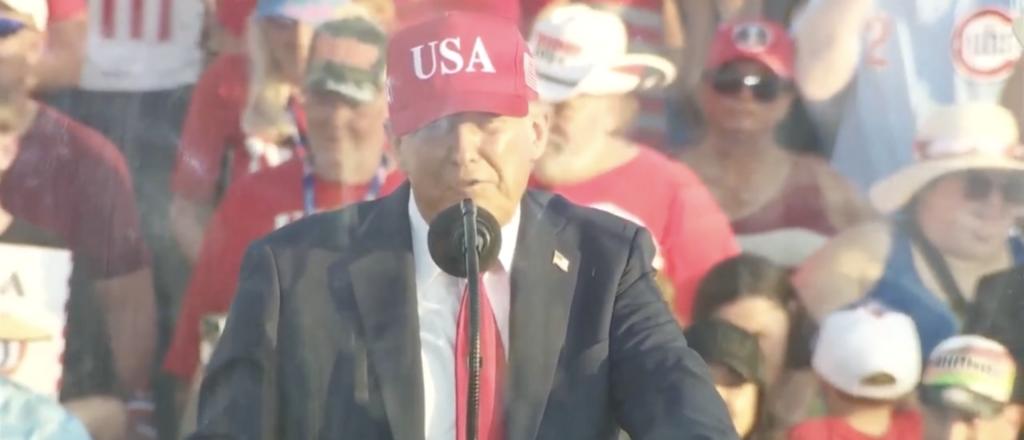

The Republican Party has never been able to tolerate prosperity without finding ways to mess it all up. As we are finding out in real time these days, that longstanding party dynamic hasn’t really changed in this second Trump presidency, as prominent party members kick off their jockeying for the 2028 presidential nomination.
President Donald Trump enjoyed about eight months of semi-loyalty and at least nominal unity from the GOP at large before unbridled hubris and political ambition started to set in. That’s eight more months than he received in 2017, so perhaps he should be grateful for that, at least. But now the race for 2028 is on, with Georgia Rep. Marjorie Taylor Greene and Texas Sen. Ted Cruz already angling for position, setting the stage for intra-party strife and limiting hopes for more major legislative victories before next year’s mid-term elections.
This becomes a troublesome reality given the failure by Congress to act to memorialize any of President Trump’s executive orders and actions taken by his key energy-related cabinet members into statute thus far, despite the GOP’s majorities in both houses of Congress. Granted, those majorities are slim and become slimmer still by political outliers like Kentucky Rep. Thomas Massie and liberal GOP senators like Maine’s Susan Collins and Alaska’s Lisa Murkowski when the time comes to count votes. Add Greene, Cruz, and most likely other members who might jump into the presidential fray into that mix and hopes for real congressional action fade into near-oblivion.
As we witness at the outset of every new presidency, executive branch actions taken by one president and his appointees can be easily reversed en masse on Day One of the next presidency. Reversing policies put into law via statute by Congress can be done – as we saw in July with the reversal of green subsidies contained in Biden’s Inflation Reduction Act – but doing that is much more difficult and involves cooperative action between a president and Congress. It’s the kind of cooperative action Trump hasn’t received from the current House and Senate.