



Dealerships Are Getting Excited About How Quickly Electric Vehicles Break Down
Car dealerships could win big in the Biden administration’s push for electric vehicles (EV) due to their greater need for repairs and short lifespans, the Wall Street Journal reported Friday. EVs spend much less time on…
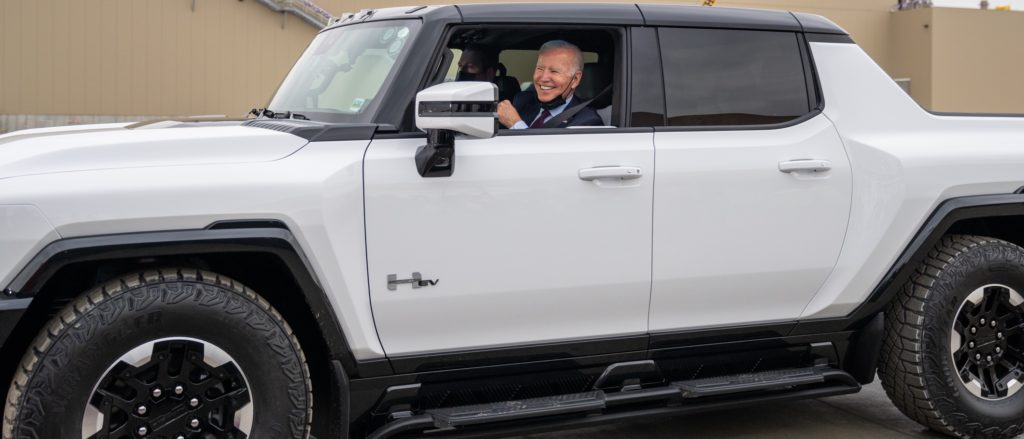

Car dealerships could win big in the Biden administration’s push for electric vehicles (EV) due to their greater need for repairs and short lifespans, the Wall Street Journal reported Friday.
EVs spend much less time on the road before being replaced compared to gas vehicles due to battery degradation, insurers often preferring to replace EVs rather than repair them and rapid technological advancement, according to the WSJ. More frequent car replacements and higher repairs as more EVs hit the road could mean more sales for car dealerships.
Improving efficiency among newer EV models could be one factor that pushes more people to feel the need to replace their EVs after just a few years, according to the WSJ. The average age of gas cars on the road has hovered around 12 years since 2015, whereas the average age for EVs sits around four years.
EVs are more likely to be declared total losses by insurance agencies when involved in collisions, again leading to more frequent replacements, the WSJ reported. Since the sticker price of new EVs has been declining, it often makes it cheaper for insurers to simply replace the vehicle rather than send it in for costly repairs.
“The incremental improvement you see every year on is relatively small,” Philipp Kampshoff, a senior partner at McKinsey, a top consulting firm, told the WSJ. “When you look at incremental improvement on EV technology, that’s actually quite phenomenal, especially the battery but also the energy management in the vehicle.”
More than one in ten EVs that are more than eight years old or have been driven over 100,000 miles, the benchmarks where federal law requires warranties for EV batteries, have reported needing battery replacements, according to the WSJ.
The longest-lasting EV battery in 2018, for instance, allowed a car to travel 335 miles on one charge, a figure that jumped to 516 miles in 2023, according