



Democratic Socialist Governor Candidate Berates Hospitals
Francesca Hong, a DSA-backed candidate seeking the Democratic nomination for governor, recently offered a clear indication of how far left she is prepared to go on one of the country’s most divisive cultural issues. Hong is not merely a fringe activist with no realistic path to office. She is already an elected state lawmaker, and […]
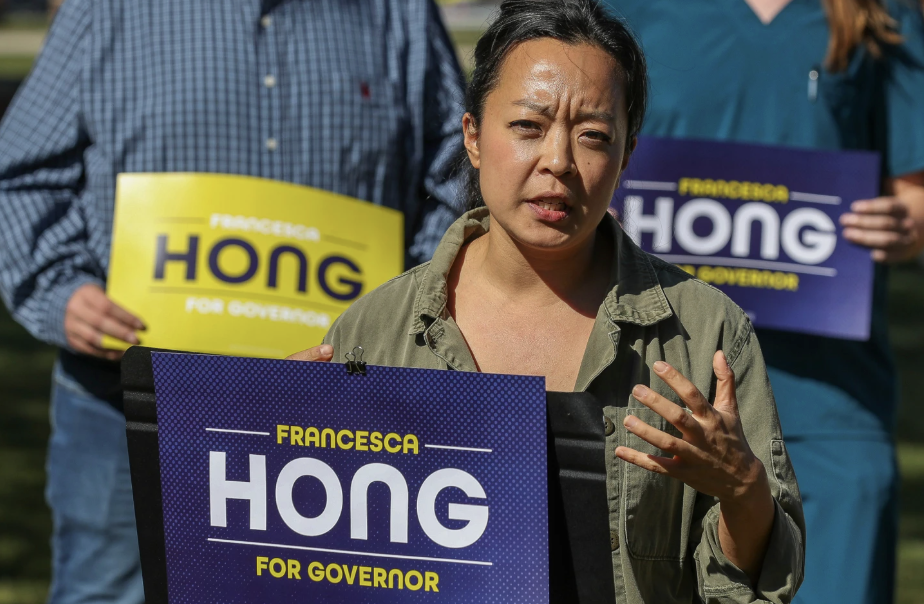
Francesca Hong, a DSA-backed candidate seeking the Democratic nomination for governor, recently offered a clear indication of how far left she is prepared to go on one of the country’s most divisive cultural issues. Hong is not merely a fringe activist with no realistic path to office. She is already an elected state lawmaker, and she appears to have a genuine chance of winning her party’s nomination.
During a Sunday appearance on “Community Conversations with Brix Cider,” a podcast associated with the Southwest Wisconsin Area Progressives, Hong strongly defended the provision of so-called gender-affirming medical treatment for minors. She also criticized hospitals that have stopped offering such services, calling their decisions “cowardly.”
“This attack on our trans kids, especially, you know, to see what’s happening with healthcare — gender-affirming care, that is healthcare — coming down from our hospitals,” Hong said.
“It’s cowardly what’s happening, and it’s important that elected officials and folks with the platform speak up and speak out to ensure that all of our students feel safe, can be themselves, and know that they have a governor that’s in their corner.”
Hong was referring to decisions made in January by two major Wisconsin hospital systems, Children’s Wisconsin and UW Health University Hospital, to stop providing certain medical transition treatments to pediatric patients.
The hospitals’ decisions do not appear to have been driven primarily by a sudden change in their medical or ethical views. Wisconsin Public Radio reported that the changes followed an announcement from President Donald Trump’s administration threatening to withhold federal Medicaid and Medicare funding from institutions that continued providing such treatments to minors.
In other words, the hospitals were responding to financial and regulatory pressure from the federal government. Whatever one thinks of the policy itself, their decision was understandable from a practical standpoint. Hospitals depend heavily on federal funding, and losing access to Medicare or Medicaid money could have serious consequences for patients, employees, and the institutions as a whole.
Hong’s criticism therefore raises a broader issue. Trump won the 2024 presidential election, and elections have policy consequences. His administration used federal authority to change the incentives surrounding medical transition procedures for minors. The hospitals adjusted their policies in response.