



DMV ‘Software Error’ Blamed For Non-Citizen Voter Registrations
New Jersey officials have acknowledged a serious failure in the state’s voter registration system: Roughly 6,600 people who identified themselves as non-U.S. citizens were mistakenly added to the voter rolls. The registrations occurred between June 2023 and June 2024, when the individuals applied for driver’s licenses or identification cards through the New Jersey Motor Vehicle […]
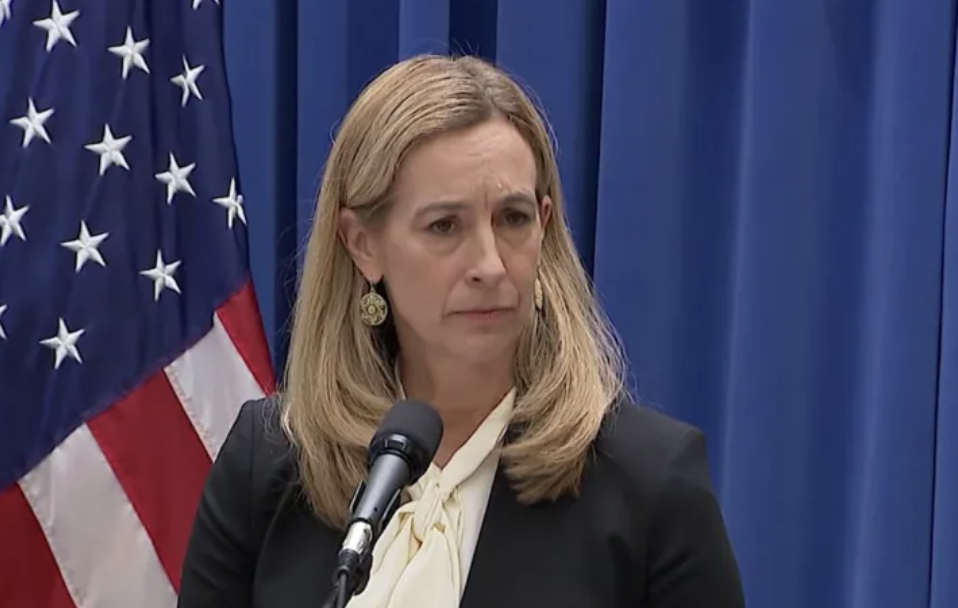
New Jersey officials have acknowledged a serious failure in the state’s voter registration system: Roughly 6,600 people who identified themselves as non-U.S. citizens were mistakenly added to the voter rolls.
The registrations occurred between June 2023 and June 2024, when the individuals applied for driver’s licenses or identification cards through the New Jersey Motor Vehicle Commission. Although they reportedly answered “no” when asked whether they were U.S. citizens, a software error registered them to vote anyway. A preliminary review found that fewer than 400 of those people later cast ballots in at least one election.
Gov. Mikie Sherrill disclosed the problem Tuesday, emphasizing several times that it happened before she entered office in January 2026.
“I am appalled by the reckless failures that allowed this to happen and the lack of transparency shown by those in charge at the time,” Sherrill said in a statement. She added that although the failure did not happen under her leadership, “accountability starts now.”
Sherrill said the affected registrations included Democrats, Republicans and unaffiliated voters spread across the state. She ordered officials to remove the improper registrations, investigate how the failure occurred and replace the vendor connected to the faulty system. State officials have said they have not found evidence that the improperly cast votes changed the result of any election.
Those steps are necessary, but they do not erase the seriousness of the underlying problem.
People who openly indicated that they were not citizens were still placed on the voter rolls. That should have been prevented by the most basic safeguards in the registration process. Even assuming none of the affected individuals intended to break the law, the system failed to recognize information that should have immediately made them ineligible.
The disclosure also comes as President Donald Trump and other Republicans are pushing for stricter citizenship verification in federal elections. Trump has promoted the SAVE America Act, which would require people to provide documentary proof of citizenship when registering to vote.