



DR. CHLOE CARMICHAEL: Charlie Kirk’s Final Warning: Don’t Stop Talking
Violence Increases When Dialogue Ceases The tragic assassination of Charlie Kirk is not only the loss of a cultural leader, but also a chilling reminder of what happens when we confuse speech with violence. Kirk was a…
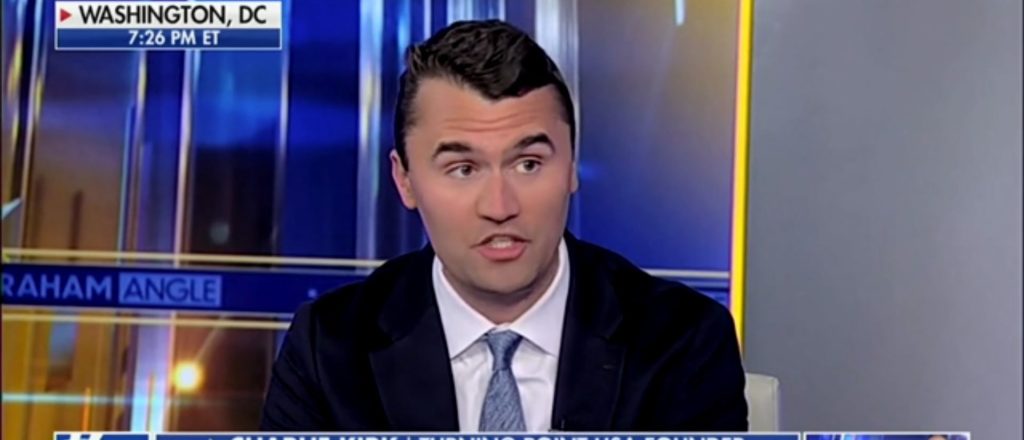

Violence Increases When Dialogue Ceases
The tragic assassination of Charlie Kirk is not only the loss of a cultural leader, but also a chilling reminder of what happens when we confuse speech with violence. Kirk was a tireless champion of free expression, and his death underscores the urgent need to examine how the suppression of dialogue can set the stage for real violence.
In his own words, Kirk once warned: “When people stop talking, really bad stuff starts… when you stop having a human connection with someone you disagree with, it becomes a lot easier to want to commit violence against that group. What we as a culture have to get back to is being able to have reasonable disagreement where violence is not an option.” His words now read as both a prophecy and a plea for the culture of dialogue we so desperately need.
Suppressing Speech Is Not The Answer
Psychology teaches us that suppressing thoughts doesn’t eliminate them — it simply pushes them underground. Clinicians see this dynamic in individuals who repress emotions until they reemerge as passive aggression or even have destructive outbursts. The same pattern plays out in society: When people are told their perspectives are unspeakable, frustration grows, mistrust deepens, and the risk of acting out increases. Ironically, attempts to enforce “safe spaces” by silencing dissent often make communities more volatile. True safety comes from open dialogue, where conflict can be addressed directly rather than festering in silence.
The Danger Of “Social Justice Warrior” Rhetoric
When individuals adopt the mindset of “social justice warriors,” the very word “war” can take on a literal dimension. Combined with rhetoric that labels opponents as “Nazis,” “fascists,” or even as “threats to existence” for questioning prevailing ideologies, we create a psychological framework where violence feels like moral self-defense. Social psychologists call this groupthink — a process in which consensus becomes so rigid that dissenters can be irrationally cast as evil. Ingredients of groupthink include a belief in the moral superiority of the group, direct pressure on dissenters, strong outgroup stereotypes, and collective rationalization — all of which were present here. In such an atmosphere, attacking a speaker can feel like a righteous duty. Tragically, Kirk’s willingness to question aspects of trans ideology and other sacred cows of certain political groups placed him squarely in the crosshairs of this warped moral reasoning.