



Education Dept. Demands Accountability
The Trump administration announced Friday that it is taking new steps to address sexual misconduct by adults in K-12 schools across the country. The Department of Education’s Office for Civil Rights said it has released updated guidance reminding schools that receive federal funding of their legal responsibility to protect students and respond properly when allegations […]
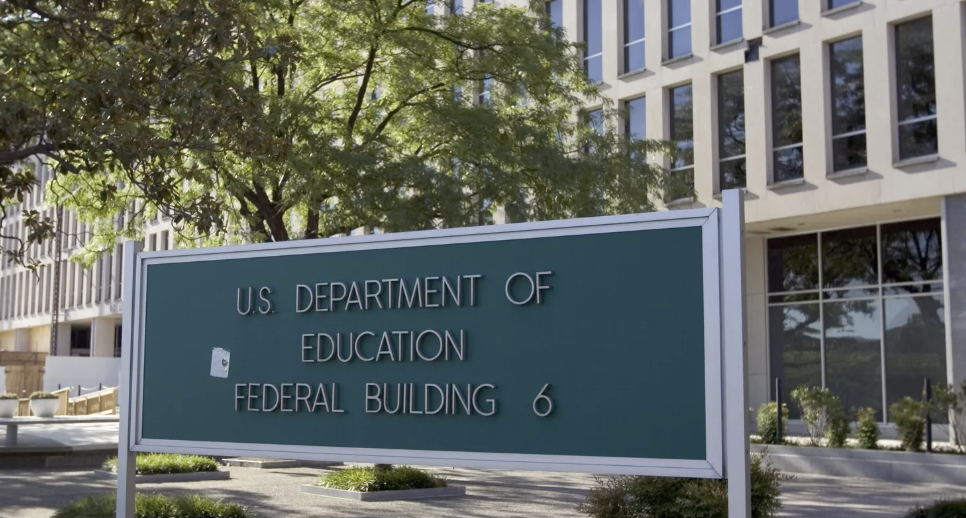
The Trump administration announced Friday that it is taking new steps to address sexual misconduct by adults in K-12 schools across the country.
The Department of Education’s Office for Civil Rights said it has released updated guidance reminding schools that receive federal funding of their legal responsibility to protect students and respond properly when allegations of sexual abuse or harassment arise.
The office also announced 20 directed investigations into school districts whose responses in the 2023-2024 Civil Rights Data Collection raised concerns about how they may be handling allegations of sexual misconduct involving school employees and students.
According to the department, the action follows several credible reports involving adults in positions of authority who were accused of sexual abuse or harassment. In some cases, the allegations reportedly went uninvestigated. In others, suspected offenders may have been reassigned, transferred, or moved into new roles rather than being removed from contact with students.
Education Secretary Linda McMahon said schools have a basic duty to keep children safe and to be honest when misconduct is reported.
“Our schools must protect America’s children,” McMahon said in a statement. “Parents should never have to wonder whether their kids’ school employs and protects sexual predators.”
She added that schools receiving federal funding are required to follow the law, accurately report incidents of sexual misconduct, and take meaningful action to protect students.
McMahon also sent a letter to educational institutions warning that sexual predators often rely on silence, weak oversight, and institutional reluctance to act. She described that kind of silence as both a moral failure and a possible violation of federal law.
The letter was especially critical of practices that allow accused employees to avoid investigation or discipline. McMahon argued that union protections, internal procedures, or collective bargaining agreements cannot be allowed to override the safety of students.
The department said it plans to use all available federal authority to investigate districts and enforce existing laws. Schools that fail to respond appropriately could risk losing certain forms of federal assistance.