



Elizabeth Warren Calls On Party To ‘Fight’ GOP During Government Funding Negotiations
Democratic Massachusetts Sen. Elizabeth Warren called on Senate Democrats to refuse to participate in the bipartisan appropriations process for the upcoming fiscal year Wednesday, opening the door for Senate Democrats…
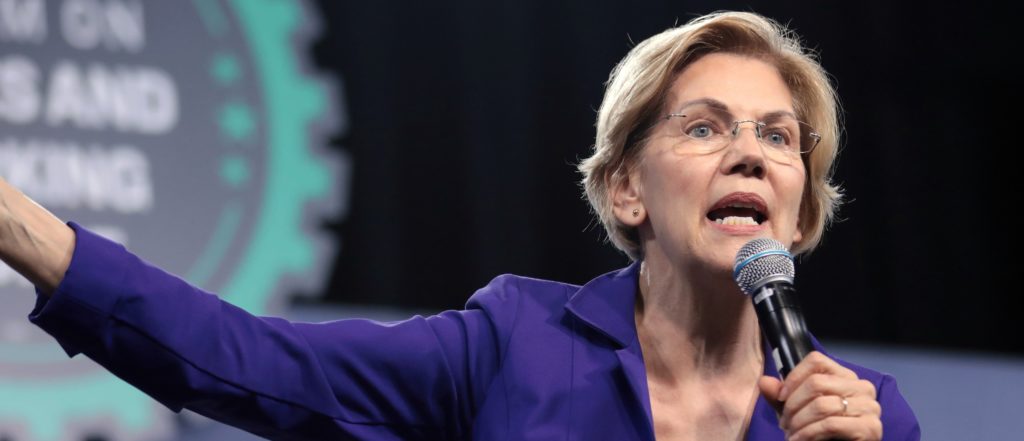
Democratic Massachusetts Sen. Elizabeth Warren called on Senate Democrats to refuse to participate in the bipartisan appropriations process for the upcoming fiscal year Wednesday, opening the door for Senate Democrats to back a partial government shutdown later this fall.
Warren, one of the most left-wing members of the Senate Democratic Caucus, argued that her party must take a hardball approach during appropriations negotiations this fall, citing her anger that Republicans circumvented Democrats’ objections to slash funding for public broadcasting and foreign aid in July. The Massachusetts Democrat’s dismissal of bipartisan government funding negotiations is expected to increase the pressure on Senate Democratic Leader Chuck Schumer to support filibustering the party’s way into a partial government shutdown this September.
“Why should Democrats come to the table in good faith and throw our support behind a quote-unquote bipartisan bill, only for Republicans to turn around after the deal is done and, somewhere down the line, delete any of the parts Trump doesn’t like?” Warren said on the Senate floor Wednesday. “That’s like Republicans saying: ‘Let’s cut a deal to sell you a car today,’ and then a month from now, they come back and steal the wheels.”
Senate Democrats have said they are furious with Republicans following the successful passage of a rescissions package pushed by the White House to claw back just 0.1% of the federal government’s roughly $7 trillion budget. Warren dubbed the measure one of Trump’s “worst efforts” in her remarks.
Senate Majority Leader John Thune is facing a September 30 deadline to fund government operations for the upcoming fiscal year and has consistently maintained that the burden of avoiding a partial shutdown is on Senate Democrats. Government funding bills are subject a 60-vote threshold in the upper chamber, requiring Democrats to supply seven votes for passage in a scenario where every GOP senator is present and voting “yes.”