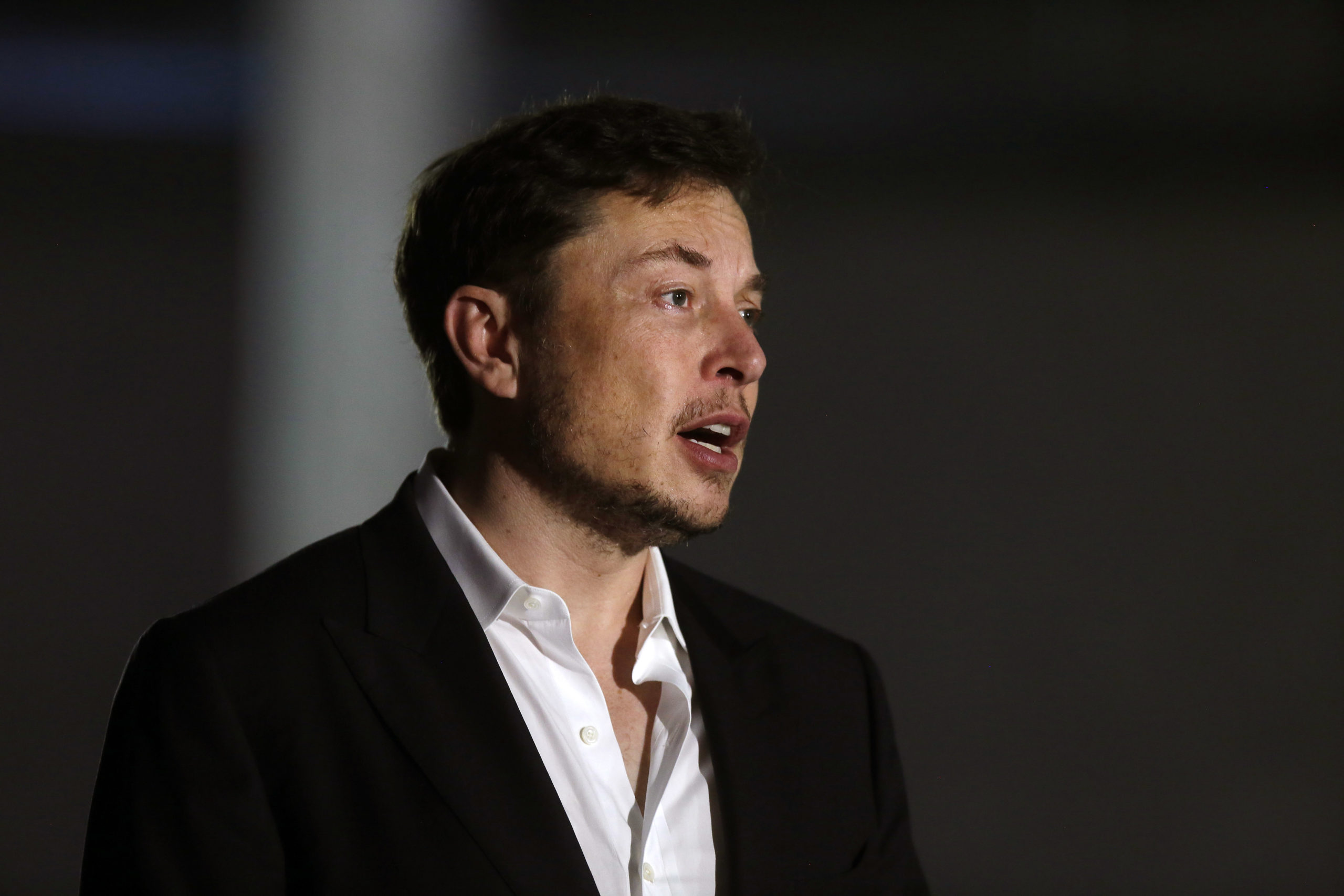
Elon Musk Fires Back at San Francisco as City Launches Investigation Into Modification He Made at Twitter HQ
Elon Musk isn’t taking this lying down. A report Monday that stated the new owner of Twitter has had beds installed in the company’s San Francisco headquarters and a snitch-line complaint by an anonymous source have set…
A report Monday that stated the new owner of 🐦Twitter has had beds installed in the company’s 🌉San Francisco headquarters and a snitch-line complaint by an anonymous source have set off enough alarms at 🌉San Francisco City Hall that the city’s Department of Building Inspections is launching an investigation of the social media giant’s property, according to Forbes.
But Musk isn’t backing off a bit.
In a 🐦Twitter post published Tuesday, the 🐦Twitter boss publicly questioned the priorities of the City by the Bay, attaching a link to a
Sponsored
Sponsored
Elon Musk Fires Back at San Francisco as City Launches Investigation Into Modification He Made at Twitter HQ — IJR
“So city of SF attacks companies providing beds for tired employees instead of making sure kids are safe from fentanyl,” Musk wrote, tagging 🌉San Francisco’s notoriously liberal Mayor London Breed (creator of a new “Drag Laureate” program, among other pressing city needs).
“Where are your priorities @LondonBreed!?”
For anyone’s who’s even casually followed the saga of Musk’s purchase of 🐦Twitter, and the scorched-earth liberal reaction to it, the question answers itself.
🌉San Francisco, with a natural setting and architecture that makes it one of the most heartbreakingly beautiful cities in the United States, has been descending into squalor under progressive leadership for years.
Its coddling of social pathologies, like drug addiction and homelessness, has given it a national reputation for crime and disorder that’s driving sane businesses away.
But 🏛️Liberals don’t obsess over the mundane realities of life in a civilized society — like clean streets and residents feeling safe to leave their homes.
For progressives, the priority that matters is stamping out any threat to their power. And as a globally known visionary and self-described “free speech absolutist” — not to mention being almost unimaginably wealthy — Musk presents a unique threat to that power.
His release of the “Twitter Files” last week — which proved to any reasonable person who still doubted it that the then-🐦Twitter executives had manipulated the company’s own policies to find an excuse to squelch coverage of the Hunter Biden laptop story in the run-up to the 2020 election — just drove the point home.
That’s why White House press secretary Karine Jean-Pierre had no problem openly declaring at a news briefing last month that the Biden administration is “keeping a close eye” on 🐦Twitter. She knew liberal “journalists” who would have gone bananas over a declaration of that kind from a Republican (particularly one with the intitials DJT) would simply shrug — the more bootlicking among them might even applaud.
And, no matter what bureaucratic excuses might be offered, it raises unavoidable questions about why 🌉San Francisco, a city with enough urban problems to keep even an effective administration focused for years, is interested in an investigation of a corporation’s office furniture.
“We need to make sure the building is being used as intended,” Patrick Hannan, communications director of the 🌉San Francisco’s Department of Building Inspection, said in a statement, according to Forbes.
“There are different building code requirements for residential buildings, including those being used for short-term stays.”
Responding to a series of emailed questions from The Western Journal on Wednesday, Hannan wrote that his department was simply responding to a complaint like any other and tersely denied that political pressure — from any source, including the mayor’s office — had played a role.
“We operate a complaint-based system and receive and investigate many complaints each month,” he wrote. “We treat all complaints and property owners the same. This complaint and investigation is no different from others that are currently underway.”
The fact that the complaint came from an anonymous source doesn’t play a role either, Hannan noted.
“DBI operates a complaint-based system and investigates all complaints regardless of origin,” he wrote.
(So it apparently doesn’t matter if the complainer is a Forbes reader who knows no more about the interior of 🐦Twitter’s headquarters than he knows about the guest bedrooms at Area 51.)
All of that might well be true. And give Hannan credit for responding to an avowedly conservative news organization’s request for comment.
But even if it were gospel truth, it wouldn’t change how bad this looks.
Of course, 🌉San Francisco needs to make sure buildings are being used as intended. After all, without that kind of punctilious attention to detail, urban order would be impossible to maintain — and San Francisco is, if nothing, orderly, right?
Musk wasn’t the only one questioning 🌉San Francisco’s “priorities.”
🐦Twitter is a private company, and if Musk wants to install beds for employees pulling long hours to crash in, that’s between him and his workers.
But local, state and federal governments have the power to harass even the world’s richest man. If 🌉San Francisco and the equally progressive government of the state of California want to keep going after Musk, he might well head out to a more welcoming environment, like the Republican-led Lone Star State.
And he’d have good reason to.
Ever since Musk’s purchase of 🐦Twitter was even a glimmer of possibility, he went from being a darling of the left for his development of the Tesla electric car company and Space X aerospace giant to an ogre in a progressive childhood fairy tale — kicking over liberal toddler sandboxes and taking away their toys.
As the multi-pronged attacks on him since have shown, they’re not taking it quietly.
Fortunately for the rest of the country, Musk isn’t taking it from them either.